Watering your garden properly makes all the difference between thriving plants and struggling ones. However, many gardeners struggle with one key question: should you water lightly at the surface or deeply into the soil? Understanding the difference between these two approaches can transform your gardening results.
This guide explores both methods and helps you determine which strategy works best for your plants.
Understanding Surface Watering
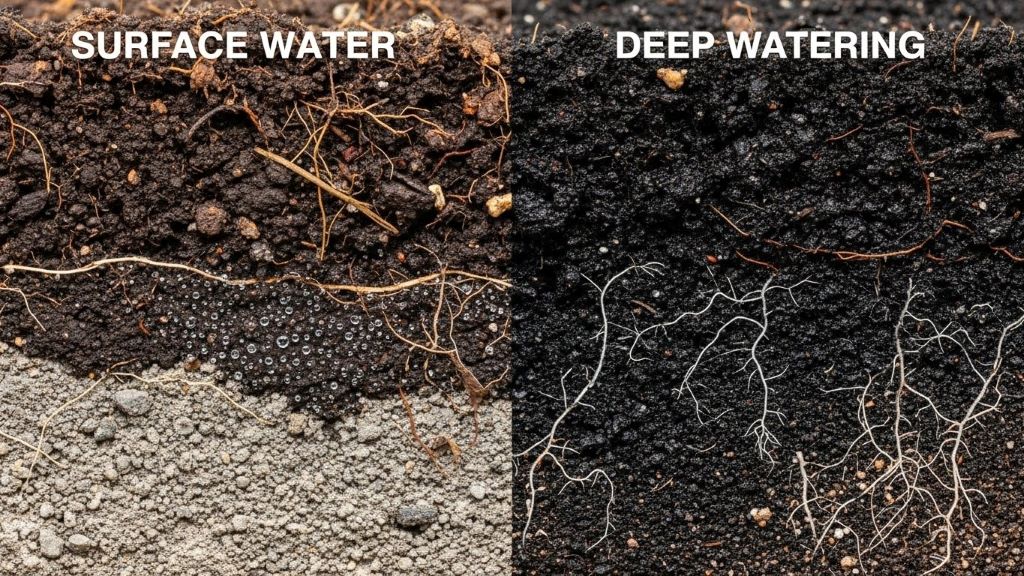
Surface watering means applying water to the top layer of soil. This method typically moistens only the first few inches of ground. Many gardeners use this approach without realizing its limitations.
When you water the surface, moisture sits in the upper soil layers. Plants with shallow roots may access this water easily. Nevertheless, the moisture evaporates quickly, especially during hot weather. This creates a cycle where you need to water more frequently.
Surface watering works well for certain situations. Seedlings and newly planted seeds benefit from this approach initially. Their tiny roots cannot reach deep into the soil yet. Additionally, shallow-rooted plants like lettuce and radishes may thrive with surface moisture.
The main drawback involves root development. Plants receiving only surface water develop shallow root systems. These roots stay near the top of the soil, searching for moisture. Consequently, your plants become less drought-resistant and more vulnerable to stress.
The Benefits of Deep Watering
Deep watering involves saturating the soil to a depth of six to twelve inches or more. This method encourages water to penetrate well below the surface layer. Therefore, plant roots must grow downward to access the moisture.
This approach offers several advantages for most garden plants. Deep roots anchor plants more securely in the ground. They also access nutrients that exist deeper in the soil profile. Furthermore, deeply rooted plants withstand drought conditions much better than shallow-rooted ones.
According to experts at the University of California Agriculture and Natural Resources, deep watering promotes healthier, more resilient plants. The practice helps establish robust root systems that support long-term plant health.
Deep watering also conserves water in the long run. While each watering session uses more water upfront, you water less frequently. The soil retains moisture longer at deeper levels. This reduces overall water consumption compared to frequent shallow watering.
How Different Plants Respond to Watering Depths
Different plants have varying water needs based on their natural root structures. Understanding these differences helps you tailor your watering approach.
Vegetables like tomatoes, peppers, and squash need deep watering. These plants develop extensive root systems that reach two feet or more into the soil. Deep watering every few days keeps them healthy and productive. Light surface watering actually harms these plants by encouraging shallow roots.
Perennial flowers and shrubs also prefer deep watering. Their established root systems extend far into the ground. Once mature, these plants need infrequent but thorough watering sessions. This mimics natural rainfall patterns that they have adapted to over time.
Conversely, some plants naturally have shallow roots. Lettuce, spinach, and other leafy greens grow roots mostly in the top six inches. Annual flowers often share this characteristic. These plants benefit from more frequent, lighter watering that keeps the surface layer consistently moist.
Newly planted trees and shrubs require special attention. Initially, they need surface moisture to establish. However, you should gradually shift to deeper watering as they grow. This transition encourages roots to grow downward and establish properly.
Testing Your Soil Moisture Levels
Knowing how deep water penetrates your soil helps you water effectively. Several simple methods let you check moisture levels at different depths.
The screwdriver test provides quick feedback. Push a long screwdriver into the soil after watering. It should slide in easily to a depth of six to twelve inches if moisture has penetrated sufficiently. If the screwdriver meets resistance, the soil below remains dry.
You can also dig a small hole with a trowel. Check the soil at various depths by feeling it with your fingers. Properly moistened soil should feel damp but not soggy at least six inches down. Dry soil at this depth means your watering is not penetrating deeply enough.
Moisture meters offer another option. These inexpensive devices measure moisture at different soil depths. Simply insert the probe to the desired depth and read the meter. This takes the guesswork out of determining moisture levels.
Watering Techniques for Deep Penetration
Achieving deep soil moisture requires specific techniques. The method you choose affects how well water penetrates downward.
Slow, steady watering works best for deep penetration. Fast watering causes runoff, especially on slopes or compacted soil. Water pools on the surface and runs off before soaking in. Instead, apply water slowly over a longer period.
Drip irrigation systems excel at deep watering. These systems deliver water directly to the root zone at a slow, steady rate. The water soaks into the soil rather than running off. Additionally, drip systems reduce water waste through evaporation.
Soaker hoses provide another effective option. These porous hoses release water along their entire length. Place them around plants and let water seep into the soil gradually. This method works particularly well for vegetable gardens and flower beds.
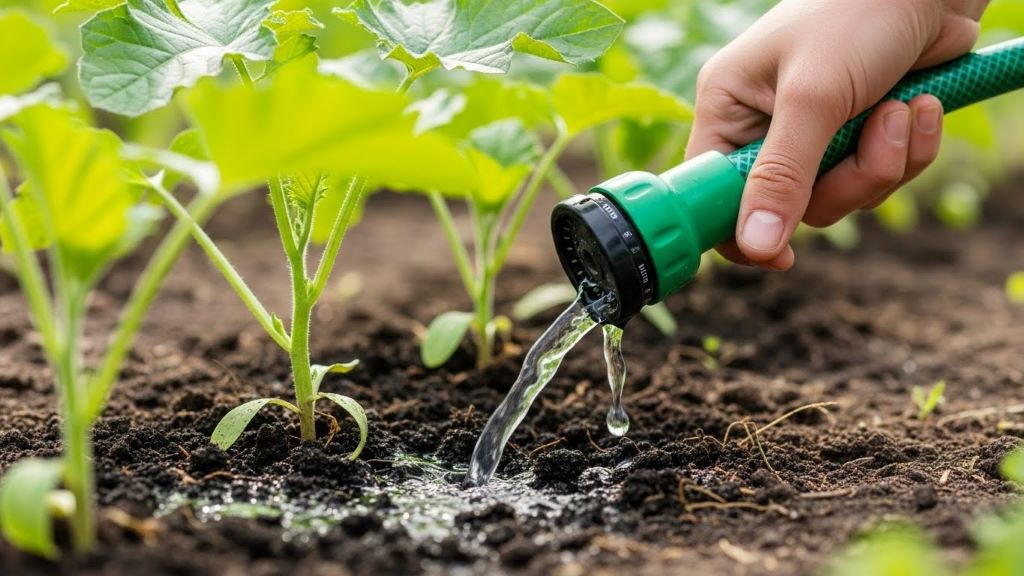
When hand watering, use a slower flow rate. Point the hose at the base of plants rather than spraying from above. Let water pool slightly around each plant, then move on. Return to each plant multiple times during a watering session. This allows water to soak in between applications.
Timing and Frequency Considerations
When you water matters almost as much as how you water. Timing affects both water penetration and plant health.
Early morning watering provides the best results. Cooler temperatures mean less evaporation occurs. Plants have moisture available during the hottest part of the day. Furthermore, foliage dries quickly as the sun rises, reducing disease risk.
Evening watering serves as a second choice. However, wet foliage overnight can promote fungal diseases. If you water in the evening, focus on the soil rather than the leaves. This minimizes disease risks while still delivering needed moisture.
Avoid midday watering when possible. High temperatures cause rapid evaporation. Much of the water you apply never reaches plant roots. This wastes water and increases your water bill unnecessarily.
Frequency depends on your watering depth. Deep watering requires less frequent applications. Most established plants need deep watering once or twice weekly during the growing season. Sandy soils drain faster and may need more frequent watering. Clay soils retain moisture longer and need less frequent watering.
According to the Environmental Protection Agency’s WaterSense program, proper watering schedules can reduce outdoor water use by up to 50 percent. This saves money while maintaining healthy landscapes.
Adjusting for Soil Type and Climate
Your soil type and local climate significantly influence watering strategies. Adapting your approach to these factors ensures better results.
Sandy soils drain quickly and hold little moisture. These soils need more frequent watering sessions. However, deep watering still matters for encouraging root growth. You may need to water two or three times weekly instead of once.
Clay soils hold moisture much longer. Water penetrates slowly but stays available to plants for extended periods. These soils benefit most from infrequent, deep watering. Allow the soil to dry somewhat between waterings to prevent waterlogging.
Loamy soils offer the best balance. They drain well while retaining adequate moisture. Standard deep watering practices work perfectly for loamy garden soil. One thorough watering per week often suffices during moderate weather.
Climate affects evaporation rates and plant water needs. Hot, dry climates require more frequent watering. Humid climates need less frequent watering since evaporation occurs more slowly. Windy conditions increase evaporation regardless of temperature.
Signs of Proper vs Improper Watering
Recognizing the signs of correct watering helps you adjust your approach. Plants communicate their water needs through visible symptoms.
Properly watered plants display vibrant, firm foliage. Leaves maintain their natural color and shape. Growth proceeds steadily throughout the growing season. Flowers and fruits develop normally without stress symptoms.
Underwatered plants show wilting leaves, especially during hot afternoons. Leaf edges may turn brown and crispy. Growth slows or stops entirely. Flowers drop prematurely, and fruit production decreases.
Overwatered plants exhibit different symptoms. Leaves may turn yellow and feel soft or mushy. Root rot can develop, causing plants to decline rapidly. Fungal diseases become more common in overly wet conditions.
Shallow watering creates specific problems. Plants may wilt despite regular watering because roots cannot access deeper moisture. Soil surface stays wet while deeper layers remain dry. This confusing situation frustrates many gardeners.
Conclusion
Choosing between surface and deep watering depends on your specific plants and gardening goals. Deep watering promotes stronger root systems, improves drought resistance, and conserves water over time. This method works best for most established vegetables, perennials, trees, and shrubs.
Surface watering serves limited purposes, primarily for seedlings and shallow-rooted crops. However, relying exclusively on surface watering creates weak, vulnerable plants.
The most successful gardens use deep watering as their primary strategy. Combining proper technique with appropriate timing creates healthy, resilient plants. Testing your soil moisture regularly ensures water reaches the root zone effectively.
By understanding these principles and adapting them to your soil and climate, you will develop a watering routine that produces beautiful, thriving gardens.
Frequently Asked Questions
How long should I water to achieve deep soil moisture?
Most gardens need 30 to 60 minutes of slow watering per area to reach six to twelve inches deep. The exact time depends on your soil type and water flow rate. Sandy soils need less time while clay soils require longer watering periods.
Can I switch from surface watering to deep watering for established plants?
Yes, you can transition established plants to deep watering gradually. Reduce watering frequency while increasing the duration of each session. This encourages roots to grow deeper over several weeks. Most plants adapt successfully to this change.
How do I know if I am watering too deeply?
Watering too deeply rarely causes problems unless you have poor drainage. Signs include constantly soggy soil, standing water, or fungal growth. If water penetrates beyond eighteen inches, you may be applying too much. Adjust your watering duration accordingly.
Does mulch affect surface versus deep watering?
Mulch significantly helps deep watering efforts. It reduces surface evaporation and keeps soil moist longer. This allows water to penetrate deeper before evaporating. Additionally, mulch moderates soil temperature and improves overall soil health.
Should I water differently during periods of rainfall?
Yes, adjust your watering based on rainfall amounts. Check soil moisture at root depth after rain. If the top six inches are thoroughly wet, skip your scheduled watering. Light rain often wets only the surface, so deeper watering may still be necessary.
Related Topics:
How to Get Rid of Ground Bees Nest: Safe and Effective Methods
4 Simple Tests For Soil Health: Get Your Hands Dirty and Grow Better Plants