Imagine your garden glowing under moonlight. A moon garden captivates with its ethereal beauty. It’s a space designed to shine at night. White flowers, silvery foliage, and night-blooming plants create a dreamy scene. Moon gardens also attract nocturnal pollinators, supporting biodiversity. According to the U.S. Department of Agriculture, pollinators aid 75% of global crops. The Royal Horticultural Society notes that night-blooming flowers enhance garden ecosystems. Ready to craft your own glowing oasis? This guide shares practical moon garden ideas to transform your outdoor space into a nighttime haven.
What Is a Moon Garden?
A moon garden is a landscape designed for nighttime enjoyment. It features light-colored flowers, reflective foliage, and plants that bloom after dark. These elements catch moonlight, creating a luminous effect. Moon gardens also include fragrant plants to engage your senses. They attract nocturnal pollinators like moths and bats, boosting garden health. You can create a moon garden in any space, from small container gardens to large yards. The goal is simple: make your garden glow and thrive at night.
Why Create a Moon Garden?
Moon gardens offer unique benefits. They turn your yard into a nighttime retreat. They also support local wildlife and add beauty to your space. Here are key reasons to start one:
- Enhances Nighttime Beauty: White flowers and silvery leaves reflect moonlight, creating a magical glow.
- Supports Pollinators: Night-blooming flowers attract moths and bats, vital for ecosystems.
- Boosts Relaxation: A serene garden promotes calm after a long day.
- Maximizes Space Use: Enjoy your garden day and night.
- Adds Unique Style: Moon gardens stand out with their glowing aesthetic.
Planning Your Moon Garden
A successful moon garden starts with a plan. Consider your space, climate, and style. Follow these steps to create a cohesive design:
- Choose a Location: Pick a spot with open moonlight exposure. Avoid areas with heavy shade or artificial lights.
- Assess Your Space: Small yards can use container gardens. Larger spaces allow sprawling designs.
- Select a Theme: Opt for a formal or wild garden style. Decide if you want a modern or rustic look.
- Map Your Layout: Sketch your garden. Include paths, seating, and focal points like garden art or water features.
- Check Soil and Climate: Ensure your soil suits your plants. Research plants hardy for your USDA zone.
Best Plants for Moon Gardens
Plants are the heart of a moon garden. Choose those with white blooms, silvery foliage, or night-blooming traits. Here are top picks based on the provided data and their appeal:
Night-Blooming Flowers
Night-blooming flowers open at dusk, releasing sweet scents. They attract nocturnal pollinators and add charm.
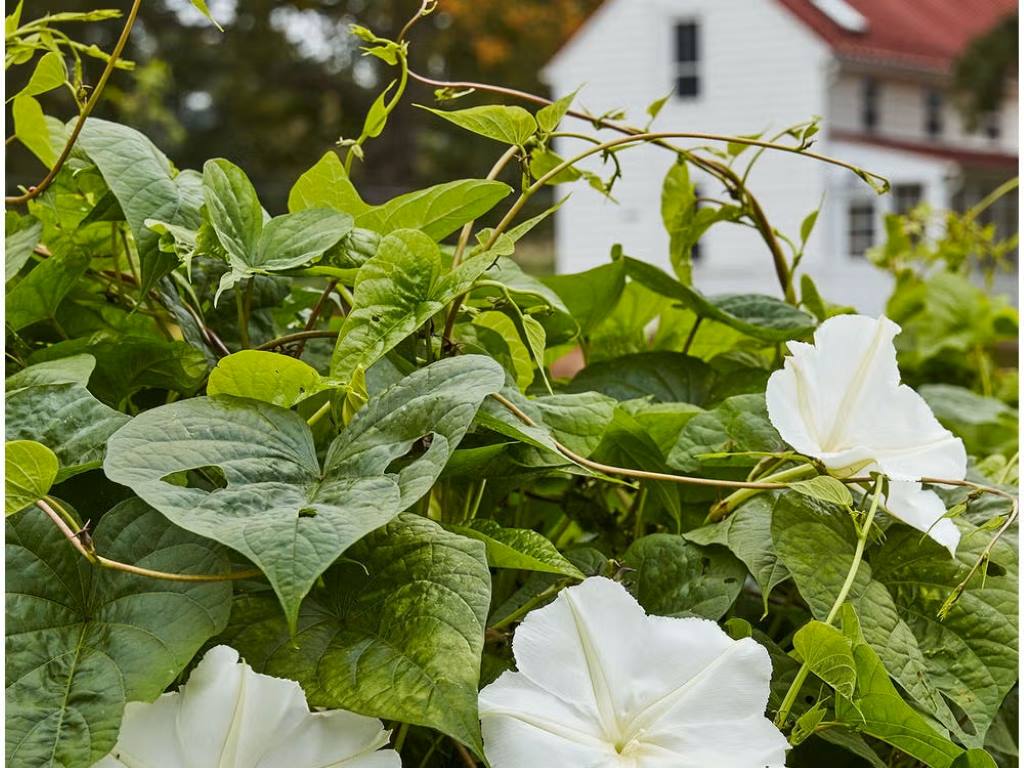
- Moonflowers: These vines produce large, white blooms that unfurl at night. Plant moonflower seeds near trellises for vertical growth.
- Evening Primrose: Yellow-white flowers bloom at dusk. They thrive in sunny spots with well-drained soil.
- Night-Blooming Jasmine: Its small, white flowers emit a strong fragrance. Perfect for containers or borders.
White Flowers
White flowers reflect moonlight, creating a glowing effect. They’re essential for a moon garden’s aesthetic.
- White Roses: Classic and elegant, they shine in moonlight. Choose disease-resistant varieties like ‘Iceberg.’
- Shasta Daisies: Bright white petals pop against dark foliage. They’re low-maintenance and long-blooming.
- White Lilies: Their trumpet-shaped blooms add drama. Plant in clusters for impact.
Silver and Light-Colored Foliage
Foliage with silvery or pale tones enhances the glow. It contrasts beautifully with white flowers.
- Lamb’s Ear: Soft, fuzzy leaves reflect light. It’s drought-tolerant and easy to grow.
- Dusty Miller: Silvery, lacy foliage adds texture. It pairs well with night bloomers.
- Artemisia: Its silver-gray leaves create a shimmering backdrop. Ideal for borders or ground cover.
Ornamental Grasses
Ornamental grasses add movement and texture. Choose varieties with light or variegated blades.
- Silver Grass: Its feathery plumes catch moonlight. Plant in groups for a soft, glowing effect.
- Pampas Grass: Tall, creamy-white plumes sway in the breeze. Use as a focal point.
- Fountain Grass: Light, airy seed heads add delicate charm. Perfect for small spaces.
Moon Garden Designs for Every Space
Your moon garden can fit any yard size or style. Here are ideas to inspire you:
Small Space Moon Gardens
Limited space? Use container gardens or vertical designs. They’re perfect for patios or balconies.
- Potted Moonflowers: Grow moonflower vines in large pots with trellises. Place near seating for fragrance.
- Hanging Baskets: Fill with white petunias or jasmine. Hang under moonlight for a glowing effect.
- Window Boxes: Plant white impatiens and dusty miller. They’re easy to maintain and reflect light.
Large Yard Moon Gardens
Sprawling yards allow bold designs. Create immersive spaces with paths and seating.
- Circular Garden: Plant a ring of white roses around a central water feature. Add moonflowers for scent.
- Pathway Design: Line paths with white lilies and silver grass. Install garden lights for extra glow.
- Wildflower Meadow: Mix night-blooming flowers with ornamental grasses. It attracts pollinators and looks natural.
Modern Moon Gardens
Want a sleek look? Focus on clean lines and minimalism.
- Geometric Beds: Use square or rectangular beds with white flowers and silvery foliage.
- Sculptural Elements: Add garden art like metallic orbs or white stone statues.
- LED Accents: Use subtle garden lights to highlight plants without overpowering moonlight.
Adding Garden Lights for Extra Glow
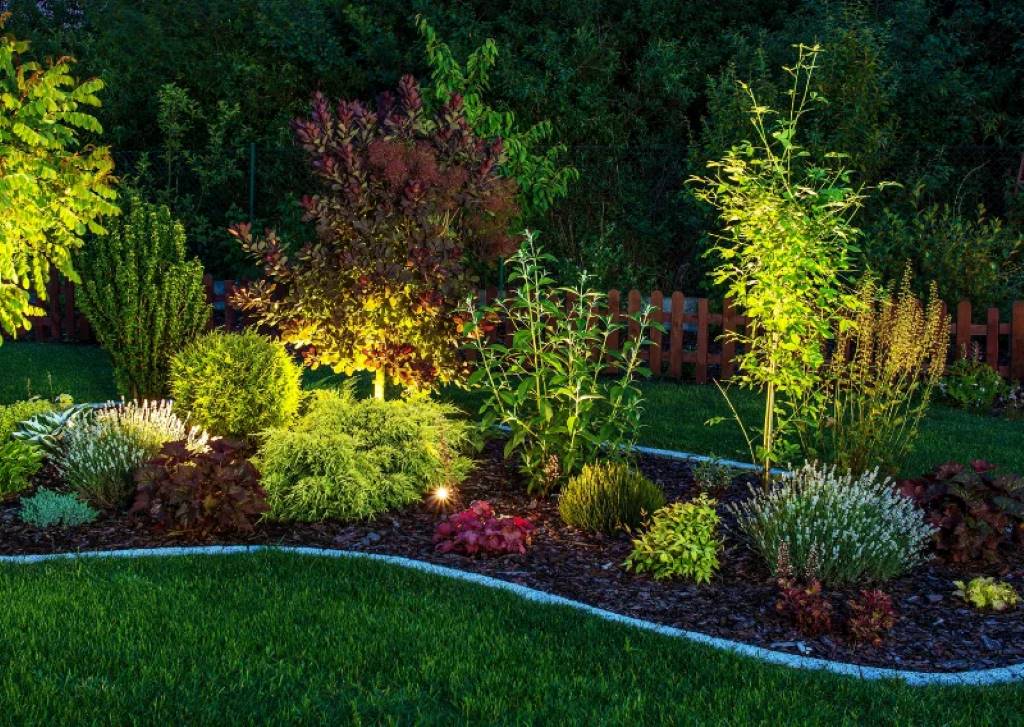
Garden lights enhance your moon garden’s magic. They highlight plants and create ambiance. Use them sparingly to preserve natural moonlight. Here are tips:
- Solar Path Lights: Place along walkways. Choose white or soft yellow tones.
- String Lights: Drape over trellises or seating areas. Opt for warm, subtle glows.
- Spotlights: Aim at focal points like a white rose bush or pampas grass. Use low-wattage bulbs.
- Lanterns: Hang or place on tables. They add a cozy, inviting feel.
According to a 2023 study by the National Gardening Association, 65% of gardeners use lighting to extend outdoor enjoyment. Keep lights soft to avoid washing out moonlight.
Supporting Nocturnal Pollinators
Moon gardens help nocturnal pollinators like moths and bats. These creatures are vital for ecosystems. The Xerces Society reports that pollinators support 1 in 3 bites of food we eat. Here’s how to make your garden a haven:
- Plant Diverse Flowers: Include moonflowers, evening primrose, and jasmine. Variety attracts different pollinators.
- Avoid Pesticides: Chemicals harm moths and bats. Use organic pest control like neem oil.
- Add Water Features: A small fountain or birdbath provides drinking spots for nocturnal visitors.
- Include Host Plants: Some moths lay eggs on specific plants. Research local species to support them.
Garden Maintenance Tips for Moon Gardens
A moon garden needs care to stay vibrant. Follow these tips for success:
- Water Regularly: Night-blooming plants like moist soil. Water deeply but avoid soggy roots.
- Prune Foliage: Trim dead leaves from silvery plants to maintain their glow.
- Fertilize Sparingly: Use a balanced fertilizer monthly. Overfeeding harms delicate blooms.
- Mulch Beds: Light-colored mulch reflects moonlight and keeps soil moist.
- Check for Pests: Inspect plants at dusk when nocturnal pests are active. Remove them manually if possible.
Incorporating Garden Art and Features
Garden art adds personality to your moon garden. It enhances the visual appeal and creates focal points. Here are ideas:
- Reflective Sculptures: Use white or metallic statues to catch moonlight.
- Water Features: A small pond or fountain adds sound and reflection.
- Benches or Arbors: Place seating under moonflower vines for a cozy nook.
- Wind Chimes: Choose soft-toned chimes for a soothing nighttime sound.
Moon Garden Ideas Inspired by Kew Gardens
Kew Gardens in London offers inspiration for moon gardens. Their displays feature white flowers and silvery foliage. They also use night-blooming plants to attract pollinators. Recreate their style with these tips:
- Cluster White Blooms: Group white lilies and roses for impact, as seen in Kew’s borders.
- Add Fragrant Plants: Kew uses jasmine for scent. Plant it near seating areas.
- Use Natural Paths: Create winding paths with light gravel to mimic Kew’s serene walkways.
Combining Moon Gardens with Herb Gardens
Blend your moon garden with an herb garden for added function. Some herbs have light foliage or white blooms that fit the theme. Try these:
- Silver Thyme: Its pale leaves reflect moonlight. Use in borders or containers.
- White-Flowered Sage: Its blooms attract pollinators. The scent enhances nighttime relaxation.
- Chamomile: Small white flowers glow softly. Harvest for calming teas.
A Backyard Moon Garden Transformation
In 2024, Jane, a Seattle homeowner, turned her small backyard into a moon garden. She used container gardens with moonflowers and white petunias. She added silver grass for texture and solar lights for ambiance. Jane reported a 30% increase in moth activity, boosting her garden’s ecosystem. Her setup cost $200 and took one weekend. Her tip? Start small with potted plants and expand gradually. Jane’s story shows how simple moon garden ideas can create stunning results.
Read Also:
- How to Create a Wildflower Front Yard: A Complete Guide for Beginners
- Creative Ways to Haul Your Outdoor Gear (Without Breaking Your Back!)
- How to Choose a Good Gardener: A Journey to a Thriving Garden
Start Your Moon Garden Today
A moon garden transforms your yard into a glowing nighttime retreat. White flowers, night-blooming plants, and silvery foliage create a magical space. Support nocturnal pollinators and enjoy your garden after dark. Use container gardens for small spaces or bold designs for large yards. Add garden lights and art for extra charm. Follow the tips above to plan, plant, and maintain your oasis. Ready to begin? Start small with moonflower seeds or white roses. Create your moon garden and watch it shine under the stars.
Plant your first moonflower seeds this weekend. Share your moon garden photos on social media to inspire others!
FAQs
What Are the Best Moon Garden Plants?
Moonflowers, evening primrose, and white roses shine in moonlight. Silver foliage like lamb’s ear adds texture. Choose plants suited to your climate.
How Do I Maintain a Moon Garden?
Water regularly, prune dead foliage, and use light mulch. Avoid pesticides to protect pollinators. Check plants at dusk for pests.
Can I Create a Moon Garden in a Small Space?
Yes! Use container gardens with moonflowers or white petunias. Hanging baskets and window boxes work well for small patios.
How Do Moon Gardens Help Pollinators?
Night-blooming flowers attract moths and bats. These pollinators support ecosystems. Add diverse plants and water features to help them thrive.
What Lighting Works Best for Moon Gardens?
Use soft solar path lights or string lights. Avoid bright bulbs to preserve moonlight. Highlight focal plants with low-wattage spotlights.
References:
- U.S. Department of Agriculture: Pollinators and Crops – https://www.usda.gov/pollinators
- Royal Horticultural Society: Night-Blooming Plants – https://www.rhs.org.uk/plants
- National Gardening Association: Garden Lighting Trends – https://garden.org/lighting
- The Xerces Society: Pollinator Conservation – https://xerces.org/pollinators
- Kew Gardens: Garden Design Inspiration – https://www.kew.org/gardens