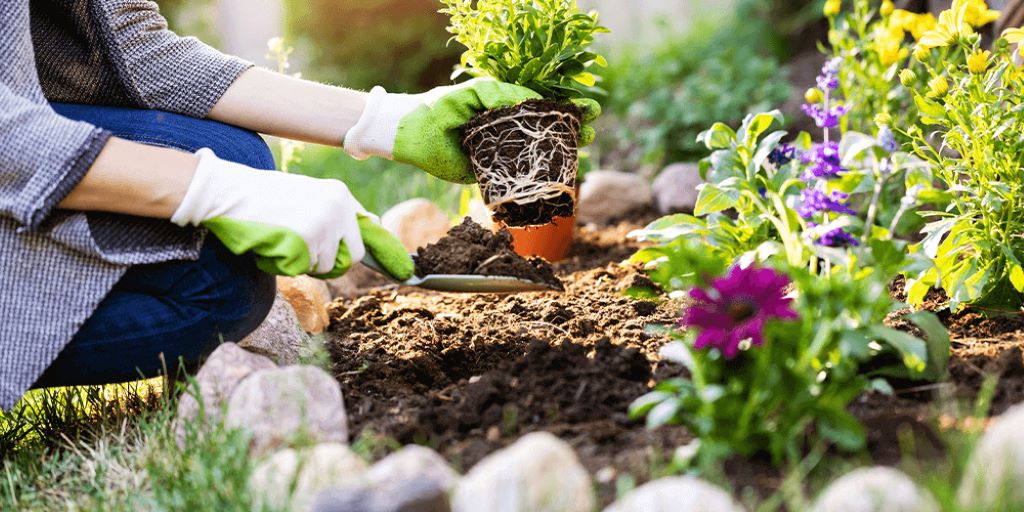
Ah, summer. Longer days, vibrant blooms, and Scorching sun. While we bask in the warm glow of the season, our gardens can suffer under its relentless heat. But fear not, fellow plant enthusiasts! With a little planning and these essential tips, your summer garden can not only survive but thrive.
-
-
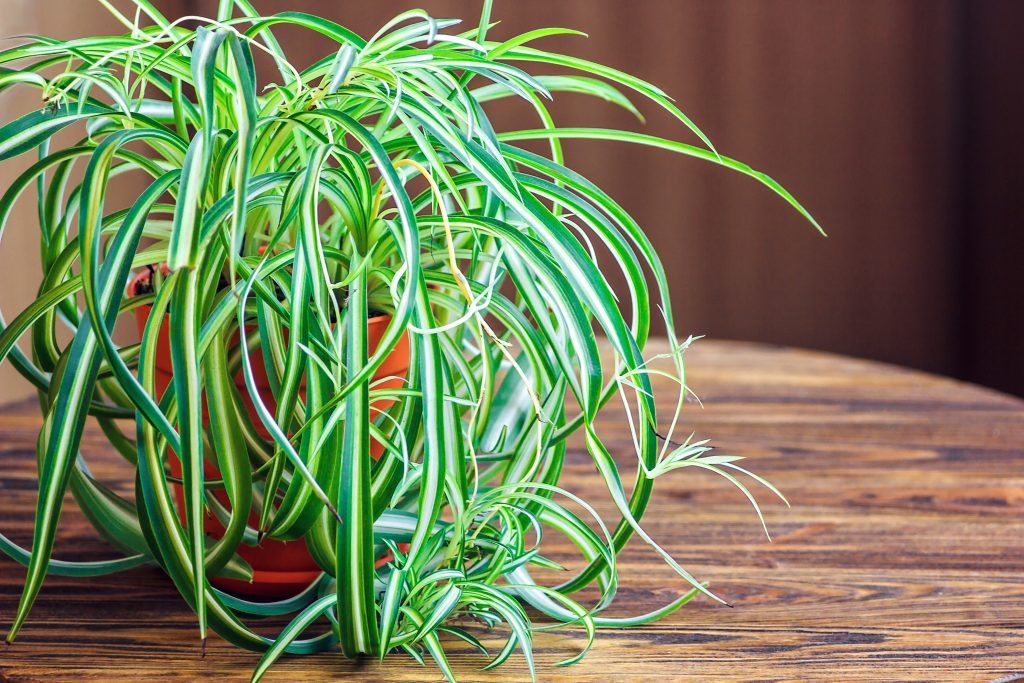
The spider plant (Chlorophytum Comosum) is one of the most popular houseplants. With its graceful, arching leaves and easy care requirements, it’s no wonder this plant has been a houseplant favorite for over 200 years! If you are wondering how to make your spider plant bushier, there are a few simple steps you can take to encourage fuller growth.
-
It’s not uncommon for gardeners and plant enthusiasts to notice the presence of white stuff growing on the soil of their houseplants or in their gardens. While this can be a cause for concern, it’s worth noting that white stuff on plant soil is often harmless and can even be beneficial for plant growth. Some types of white growth, such as mycorrhizal fungi, are known to form symbiotic relationships with the plant roots and aid in nutrient absorption.
-
Keeping moisture in soil is crucial for healthy plants and gardens. Proper soil moisture helps plants absorb nutrients, prevents disease, and allows them to photosynthesize efficiently. There are many techniques gardeners can use to conserve water and retain moisture in soil. In this comprehensive guide, we will explore how to keep moisture in soil and provide actionable tips for keeping your soil optimally hydrated.
-
Peat moss can be a valuable addition to garden soil. It helps improve moisture retention, aeration, and nutrient-holding capacity. However, determining the right amount of peat moss to add depends on several factors. This article will discuss how much peat moss can add to the soil and some best practices when amending soil.
-
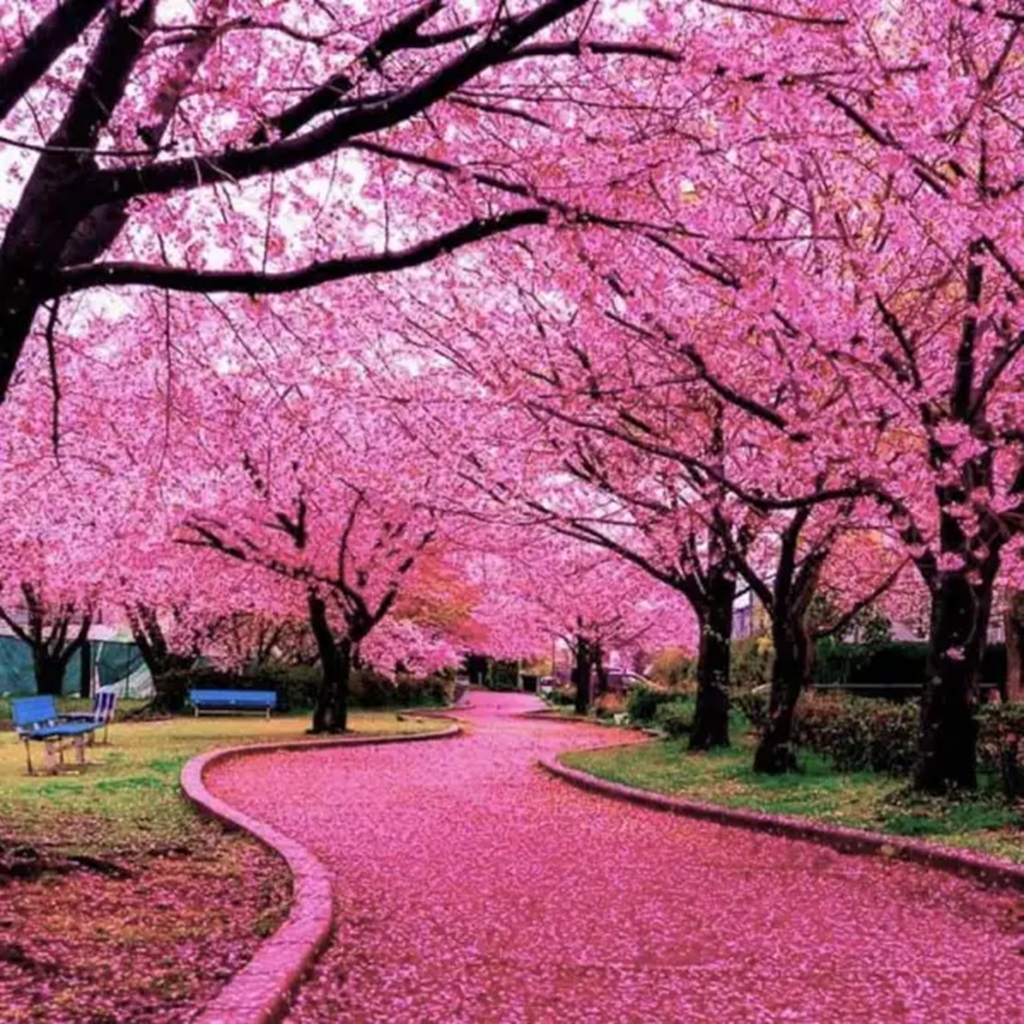
With its vibrant pink flowers and fast growth rate, the pink trumpet tree (Tabebuia impetiginosa) is an attractive and valuable addition to landscapes across the southern United States. Though native to South America, this tree thrives in warm climates and can be found in many yards and parks from Florida to California.
-
Growing juicy, sweet papaya (Carica papaya) is easier than you think, even if you only have space for a container garden. With a sunny spot, warm weather, and proper care, you can successfully grow this tropical fruit right in pots. Papayas thrive in the home garden when given the right conditions. Follow this step-by-step guide to learn how to grow papaya in pots from seeds.
-
When it comes to landscaping in Florida, choosing the right trees is a crucial decision. Small trees can add charm, shade, and aesthetic appeal to your outdoor space, but with the diverse climate of the Sunshine State, it’s essential to pick varieties that thrive in Florida’s unique conditions. In this guide, we’ll explore the factors to consider and some fantastic small trees for Florida that are well-suited for the Florida environment.
-
Clover is a common plant that can often be found growing in lawns, fields, and many other spaces. Its rounded leaves and clusters of flowers are familiar sights. But when it comes to cultivation, many gardeners wonder—does clover grow in shade? The answer is not quite as simple as a yes or no. This versatile plant can grow in a range of light conditions. However, both full sunlight and deep shade should be avoided for optimal clover growth. The keys to success are understanding the needs of specific clover varieties and choosing sites with appropriate sunlight access.
-
Dipladenia, which is also commonly known as mandevilla, is a beautiful and vibrant tropical vine that is widely cultivated for its strikingly colorful and wonderfully fragrant flowers. However, there is often a sense of ambiguity and uncertainty surrounding whether this plant is an annual or a perennial. To be more specific, the truth is that dipladenia is a delicate, yet hardy, woody perennial in zones 10-11, but it behaves like an annual in cooler climates due to its inability to withstand frost and freezing temperatures. We will present is dipladenia annual or perennial?