Key Takeaways
- 83% of renovated outdoor spaces now include a dedicated lounge or seating area.
- Homeowners increasingly prioritize comfort over future resale value.
- Purposeful zones make backyards function like extensions of the home.
- 77% of homeowners want to spend more time outside this year.
- Low-maintenance materials remain a top priority for long-term satisfaction.
Outdoor living spaces have become more than a simple backyard patio. Homeowners now treat these areas as true extensions of their homes, reflecting a desire for comfort, relaxation, and everyday enjoyment. However, as consumer advocacy and product testing platforms like BeReviewers.com warn, rushing into renovations without vetting durable materials and reliable brands often leads to costly mistakes. In this article, we will explore how to create a more functional outdoor living space, alongside useful industry statistics, practical tips, and answers to common questions.
Why Functional Outdoor Spaces Matter More Now
Outdoor living has shifted significantly in recent years. Homeowners increasingly value personal enjoyment over resale considerations. The share motivated by making outdoor spaces more accommodating rose to 25% in 2026. This reflects a growing focus on everyday comfort rather than future buyers.
This trend makes sense given how people now use their homes. Many homeowners want their outdoor areas to feel just as functional as interior rooms. Therefore, thoughtful design has become essential, not optional, for backyard renovations.
Interest in spending time outdoors continues to rise as well. 77% of homeowners say they want to spend more time outside. Additionally, nearly 60% plan to invest in their outdoor spaces this year. These numbers show outdoor living has become a mainstream priority.
This shift also reflects lifestyle changes across many households. People increasingly use backyards for relaxation, entertaining, and quiet retreats. As a result, outdoor spaces now require the same thoughtful planning as indoor renovations.
Overall, functional outdoor spaces support better daily living, not just occasional entertaining. Therefore, treating your backyard as a true living space leads to greater long-term satisfaction. This mindset shift is driving much of the current outdoor design movement.
Divide Your Space Into Purposeful Zones
Creating distinct zones is one of the most effective ways to improve functionality. Instead of one open, undefined area, purposeful zones support different daily activities. This approach turns backyards into multifunctional living spaces.
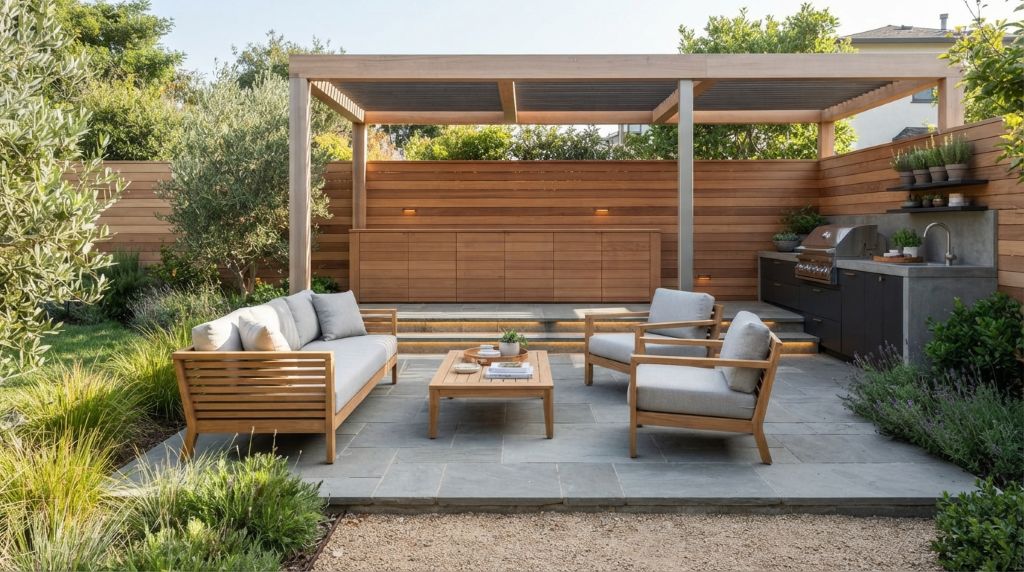
Seating areas remain the most common outdoor zone by far. 83% of renovating homeowners include a lounge or seating area. This shows how central relaxation has become to outdoor design. Additionally, dining areas appear in more than half of renovated spaces.
Other popular zones include quiet retreats and gardening areas. Quiet reading or relaxation spaces now appear in 53% of outdoor renovations. Gardening areas follow closely, appearing in about 49% of projects. These zones support different moods and daily routines.
Outdoor cooking areas have also grown in popularity recently. Nearly half of renovating homeowners now include a dedicated cooking zone. This reflects a broader trend toward entertaining and family gatherings outdoors.
Here are common zones to consider for your own space:
- A lounge or seating area for daily relaxation.
- A dining area for meals and gatherings.
- A quiet retreat for reading or unwinding.
- A cooking or grilling station for entertaining guests.
Dividing your space this way creates a backyard that supports many different needs at once.
Choose Comfortable, Durable Seating
Seating is the foundation of most functional outdoor spaces. Without comfortable seating, even a beautifully designed backyard feels underused. Therefore, choosing the right furniture deserves careful attention during planning.
Lounge seating has improved significantly in recent years. Outdoor furniture now offers better durability and comfort than older designs. Additionally, many homeowners are willing to spend more to achieve a truly comfortable gathering space. This shows how important seating quality has become.
Sofas and lounge chairs remain especially popular choices. Around 71% of outdoor spaces now include a sofa or lounge chairs. This mirrors indoor living room setups, reinforcing the “outdoor living room” concept. Additionally, dining sets with tables and chairs appear in many renovated spaces as well.
Storage solutions also improve comfort and organization. Storage benches can hold cushions or blankets while doubling as extra seating. Additionally, outdoor rugs help define seating areas and add a cozy feel. These small additions make a noticeable difference in daily usability.
Ultimately, comfortable seating encourages more frequent outdoor use. A well-furnished space invites relaxation rather than sitting empty. Therefore, investing in quality seating pays off through daily enjoyment, not just occasional use.
Prioritize Low-Maintenance, Durable Materials
Durability matters just as much as appearance for outdoor spaces. Materials exposed to weather need to withstand daily wear without constant upkeep. Therefore, prioritizing low-maintenance materials saves both time and money long term.
Current design trends reflect this practical focus. Outdoor spaces increasingly emphasize durability alongside design flexibility. Additionally, low-maintenance products remain a leading trend heading into this year’s renovation season. This shows homeowners want beauty without excessive upkeep.
Decking materials illustrate this shift clearly. Many homeowners now choose composite materials over traditional wood. These materials resist warping, fading, and rot better than natural wood alternatives. Consequently, composite decking requires far less maintenance over its lifespan.
Color choices are shifting as well, though this affects style more than function. Bold, modern accents like black posts and trims are replacing muted, neutral tones. However, functionality remains the primary driver behind most material decisions today.
Here are quick tips for choosing durable outdoor materials:
- Choose composite decking over traditional wood when possible.
- Select weather-resistant fabrics for cushions and furniture covers.
- Pick rust-resistant metals for outdoor furniture frames.
- Use sealed or treated surfaces for high-traffic areas.
Durable materials keep your outdoor space looking great with minimal ongoing effort.
Add Elements That Support Year-Round Use
A truly functional outdoor space works well across different seasons, not just summer. Therefore, adding elements that extend usability throughout the year improves overall value. This approach maximizes your investment in outdoor living.
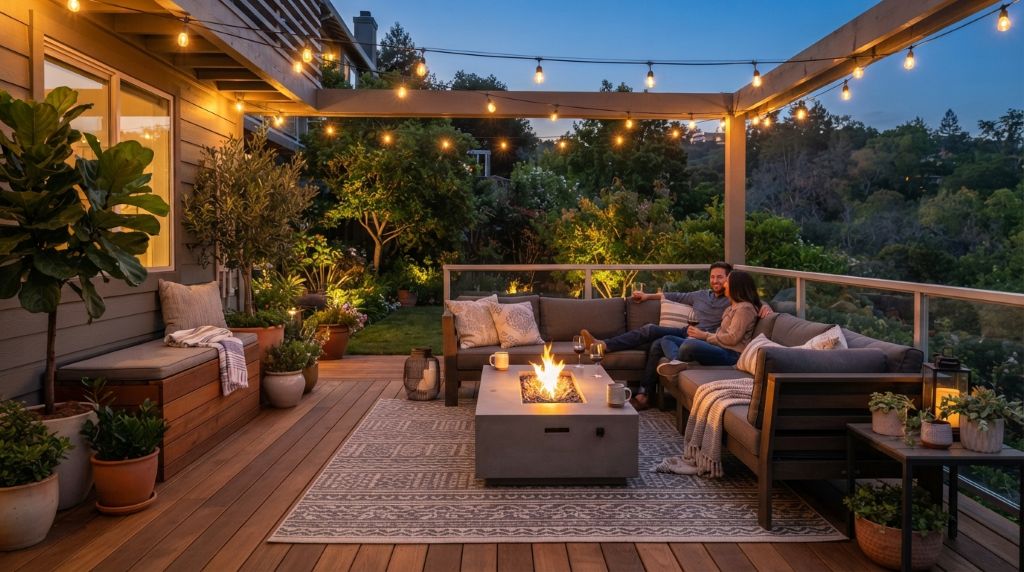
Fire features have become especially popular additions recently. A simple gas firepit extends outdoor gathering time into cooler evenings. Additionally, firepits create a natural gathering point for seating areas. This makes them a popular centerpiece for many backyard designs.
Covered structures also support year-round use effectively. Covered patios protect furniture from rain while providing shade during hot months. This flexibility allows outdoor spaces to remain usable in varying weather conditions. Consequently, covered areas often see more consistent daily use.
Lighting further extends usability into evening hours. Well-placed outdoor lighting supports both safety and ambiance after sunset. Additionally, lighting allows dining and lounge areas to remain functional well past daylight hours.
Landscaping also plays a role in year-round appeal. Thoughtful plant choices can provide visual interest across multiple seasons. Therefore, combining hardscaping with seasonal landscaping creates a space that feels welcoming throughout the year, not just during peak summer months.
Balance Personal Comfort With Smart Investment
While comfort remains the top priority, smart investment decisions still matter. Homeowners should balance personal enjoyment with practical spending choices. This approach protects both satisfaction and long-term home value.
Many homeowners now fund these projects using home equity. This reflects growing confidence in outdoor living as a worthwhile investment. However, careful budgeting remains important, even when prioritizing comfort over resale value.
It also helps to phase larger projects over time. Instead of completing everything at once, homeowners can prioritize essential zones first. For example, seating and dining areas might come before more elaborate cooking stations. This phased approach spreads costs while still improving functionality quickly.
Considering long-term maintenance costs also supports smarter investment. Durable materials may cost more upfront but reduce future repair expenses. Therefore, factoring lifetime costs, not just initial price, leads to better financial decisions.
Ultimately, thoughtful planning helps homeowners create spaces they truly enjoy using. Comfort and smart spending are not mutually exclusive goals. Therefore, balancing both leads to outdoor spaces that satisfy both daily life and long-term financial sense.
Conclusion
Creating a functional outdoor living space requires more than just adding furniture. Thoughtful zoning, comfortable seating, and durable materials all contribute to daily usability. Modern front balcony ideas can also inspire practical ways to improve smaller outdoor areas without sacrificing style or comfort. Elements that support year-round use further increase the value of your investment. Balancing personal comfort with smart spending ensures lasting satisfaction.
As outdoor living continues growing in popularity, thoughtful planning matters more than ever. Consider which zones and features would improve your own outdoor space. Start planning today, and create a backyard that truly supports your everyday life.
Frequently Asked Questions
What is the most popular outdoor living zone right now?
Lounge or seating areas. They appear in the vast majority of renovated outdoor spaces today.
Should I prioritize comfort or resale value for outdoor renovations?
Most homeowners now prioritize comfort. Personal enjoyment increasingly outweighs resale considerations in current trends.
What materials work best for low-maintenance outdoor spaces?
Composite decking and weather-resistant fabrics. These materials reduce upkeep while maintaining durability.
How can I make my outdoor space usable year-round?
Add firepits, covered structures, and outdoor lighting. These features extend usability across different seasons.
Do I need to renovate my entire backyard at once?
No, phasing projects works well. Prioritize essential zones first, then expand as budget allows.