Creating a gothic garden transforms your outdoor space into a mysterious sanctuary. Dark flowers add drama and elegance to any landscape. Therefore, understanding how to grow and care for these stunning plants is essential for achieving the perfect moody atmosphere.
Understanding Dark Flowers and Their Appeal
Dark flowers captivate with their deep, rich colors. These blooms range from burgundy and plum to nearly black shades. Additionally, they create striking contrasts when paired with lighter foliage or silvery plants.
Gothic gardens embrace the beauty of darkness and shadow. Dark flowers naturally fit this aesthetic perfectly. Moreover, these plants often carry symbolic meanings related to mystery, elegance, and transformation.
Many gardeners mistakenly believe dark flowers are difficult to grow. However, most varieties require the same care as their lighter counterparts. The key lies in selecting the right plants for your climate and soil conditions.
Best Dark Flowers for Gothic Gardens
Choosing the right flowers sets the foundation for your gothic garden. Several varieties offer the deep, dramatic colors you need.
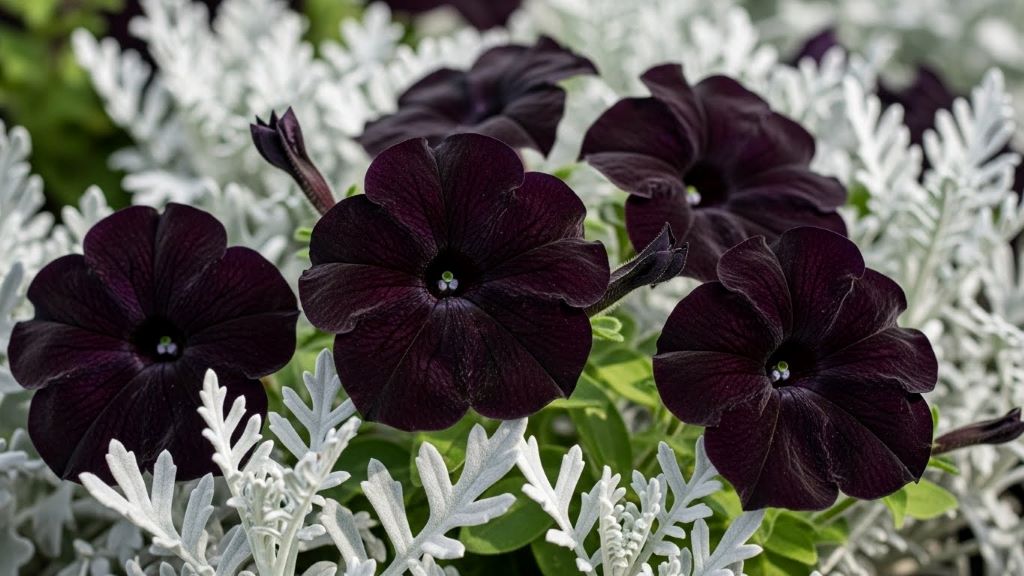
Black petunias provide velvety, almost black blooms throughout summer. These annuals thrive in full sun and well-drained soil. Furthermore, they work beautifully in containers or garden beds.
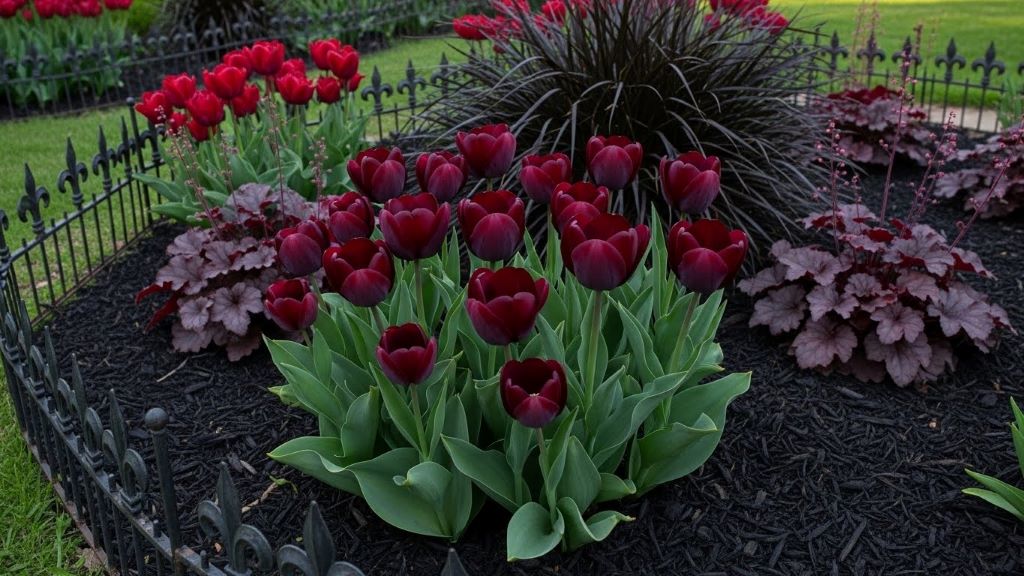
Queen of the Night tulips display deep maroon flowers that appear nearly black. Plant these bulbs in fall for spring blooms. They prefer cooler climates and add sophistication to any garden.
Black velvet petunias offer another excellent option for continuous color. These plants tolerate heat well and bloom prolifically. Therefore, they suit warmer regions particularly well.
Dark dahlias come in varieties like Arabian Night and Black Satin. These stunning flowers bloom from summer through fall. Additionally, they make exceptional cut flowers for indoor arrangements.
Chocolate cosmos produces deep burgundy blooms with a subtle chocolate scent. This perennial prefers full sun and moderate watering. However, it may need winter protection in colder zones.
Preparing Your Garden Soil
Soil preparation ensures your dark flowers thrive and produce vibrant blooms. Most dark flowering plants prefer rich, well-draining soil.
Start by testing your soil’s pH level. Many dark flowers grow best in slightly acidic to neutral soil. Additionally, understanding your soil composition helps you make necessary amendments.
Add organic compost to improve soil structure and fertility. Compost provides essential nutrients and enhances drainage. Moreover, it encourages beneficial microorganisms that support plant health.
Mix in aged manure for additional nutrients if your soil lacks fertility. This amendment releases nutrients slowly over time. Therefore, your plants receive consistent nourishment throughout the growing season.
Ensure proper drainage to prevent root rot and fungal diseases. Heavy clay soils benefit from added sand or perlite. Conversely, sandy soils need more organic matter to retain moisture.
Planting Techniques for Maximum Impact
Strategic planting creates visual drama in your gothic garden. Consider both individual plant needs and overall design aesthetics.
Plant dark flowers in groups of three or five for greater impact. Single specimens often get lost in the landscape. However, clusters create focal points that draw the eye.
Position taller varieties like dahlias toward the back of beds. Place shorter plants such as petunias in front. This layering technique ensures all flowers receive adequate visibility and sunlight.
Consider companion planting with silvery or chartreuse foliage plants. These lighter elements make dark flowers appear even more dramatic. Additionally, they provide textural contrast that enhances visual interest.
Space plants according to their mature size to prevent overcrowding. Good air circulation reduces disease problems significantly. Furthermore, proper spacing allows each plant to receive adequate light and nutrients.
Watering and Fertilizing Dark Blooms
Proper watering maintains healthy plants and vibrant flower colors. Dark flowers generally need consistent moisture without waterlogging.
Water deeply once or twice weekly rather than frequent shallow watering. This encourages strong root development. Moreover, deep watering helps plants withstand drought stress better.
Apply mulch around plants to conserve soil moisture and regulate temperature. Organic mulches like shredded bark also suppress weeds effectively. Therefore, your maintenance time decreases significantly.
Fertilize dark flowering plants according to their specific needs. Most benefit from balanced fertilizer applied monthly during the growing season. However, avoid over-fertilizing, which can reduce bloom production.
Use phosphorus-rich fertilizer to encourage more flowers. This nutrient supports bloom development and color intensity. Additionally, it strengthens overall plant structure.
Managing Light and Shade
Light requirements vary among dark flowering plants. Understanding these needs ensures optimal growth and blooming.
Most dark flowers prefer full sun for best color development. Six to eight hours of direct sunlight daily produces the deepest, richest hues. However, some varieties tolerate partial shade well.
In extremely hot climates, afternoon shade prevents flower fading. This protection maintains color intensity throughout the season. Therefore, consider your regional climate when planning placement.
Observe your garden’s light patterns throughout the day. Note areas that receive morning versus afternoon sun. This information helps you position plants for their specific requirements.
Adjust plantings if flowers appear pale or fail to bloom abundantly. Insufficient light often causes these problems. Conversely, too much intense sun may scorch delicate petals.
Pest and Disease Management
Protecting your dark flowers from pests and diseases maintains their beauty. Regular monitoring catches problems early when treatment is easiest.
Inspect plants weekly for signs of aphids, spider mites, or other pests. These insects can damage foliage and reduce blooming. Additionally, they may spread diseases between plants.
Use organic pest control methods whenever possible. Neem oil and insecticidal soap effectively manage many common pests. Moreover, these options are safer for beneficial insects like bees and butterflies.
Remove diseased or damaged foliage promptly to prevent spread. Fungal diseases thrive in humid conditions with poor air circulation. Therefore, maintaining proper spacing and pruning helps prevent these issues.
Practice crop rotation with annual dark flowers to reduce soil-borne diseases. Avoid planting the same species in the same location year after year. This simple technique significantly reduces disease pressure.
According to Royal Horticultural Society research, proper container selection and soil management are crucial for successful plant growth, which applies to dark flowering plants as well.
Extending the Blooming Season
Strategic planning keeps your gothic garden colorful from spring through fall. Selecting plants with different bloom times creates continuous interest.
Start with early spring bulbs like dark tulips and fritillarias. These provide the first dramatic colors of the season. Additionally, they naturalize well and return year after year.
Follow with summer-blooming annuals and perennials for mid-season color. Petunias, dahlias, and chocolate cosmos fill this period beautifully. Furthermore, many bloom until the first frost.
Include late-season bloomers like dark chrysanthemums and asters. These extend your garden’s appeal well into autumn. Therefore, your gothic aesthetic remains intact throughout the growing season.
Deadhead spent flowers regularly to encourage continued blooming. This simple maintenance task removes fading blooms before they set seed. Consequently, plants redirect energy into producing more flowers.
Creating Complementary Gothic Elements
Dark flowers shine brightest when paired with complementary garden features. Additional elements enhance the overall gothic atmosphere.
Incorporate dark foliage plants like black mondo grass or purple heuchera. These provide year-round interest and dramatic contrast. Moreover, they require minimal maintenance once established.
Add architectural elements such as wrought iron trellises or gothic-style arbors. These structures support climbing dark roses or clematis. Additionally, they create vertical interest and focal points.
Use dark-colored mulch or gravel to unify the garden’s appearance. Black or deep brown materials complement dark flowers perfectly. Therefore, the entire space feels cohesive and intentional.
Consider adding ornamental elements like stone statuary or vintage urns. These features reinforce the gothic aesthetic beautifully. However, use restraint to avoid overcrowding the space.
Seasonal Care and Maintenance
Year-round attention keeps your gothic garden looking its best. Different seasons require specific tasks and considerations.
In spring, prepare beds and plant new specimens. This season offers ideal conditions for establishment. Additionally, apply fresh mulch and fertilize emerging perennials.
During summer, maintain consistent watering and deadhead regularly. Monitor for pests and diseases more frequently in warm weather. Furthermore, stake tall plants before they become top-heavy.
Fall marks the time to plant spring bulbs and divide overgrown perennials. Clean up fallen foliage to reduce overwintering pests. Moreover, protect tender plants before the first frost.
Winter provides planning time and equipment maintenance. Review what worked well and what needs changing. Therefore, you can order seeds and plants before spring arrives.
The National Gardening Association emphasizes the importance of planning and preparation for successful gardening outcomes across all garden styles.
Conclusion
Growing dark flowers for a gothic garden aesthetic combines artistry with horticultural knowledge. These dramatic blooms create mysterious, elegant outdoor spaces that captivate throughout the seasons. By selecting appropriate varieties, preparing soil properly, and providing consistent care, you can cultivate a stunning dark garden. Additionally, incorporating complementary elements and maintaining plants seasonally ensures long-term success. Therefore, your gothic garden will become a unique sanctuary that reflects your personal style and appreciation for nature’s darker palette.
Frequently Asked Questions
What are the darkest colored flowers I can grow?
The darkest flowers include Queen of the Night tulips, Black Velvet petunias, Black Baccara roses, and Chocolate cosmos. Additionally, Black Prince snapdragons and Black Pearl ornamental peppers offer nearly black foliage and blooms. These varieties appear almost black in certain lighting conditions.
Do dark flowers need different care than light-colored flowers?
Dark flowers generally require the same care as their lighter counterparts. However, they often benefit from full sun exposure to develop their deepest, richest colors. Additionally, proper fertilization helps maintain color intensity throughout the blooming season.
Can I grow dark flowers in containers?
Yes, many dark flowers thrive in containers. Black petunias, dark pansies, and dwarf dahlias work exceptionally well in pots. Furthermore, container gardening allows you to move plants to optimal light conditions and create portable gothic arrangements.
Why do my dark flowers look faded?
Faded dark flowers usually result from insufficient sunlight or improper fertilization. Additionally, extreme heat can bleach petals, reducing color intensity. Ensure plants receive adequate sun and use fertilizer with appropriate nutrient ratios for flowering plants.
What companion plants work well with dark flowers?
Silver-foliaged plants like dusty miller and artemisia create stunning contrast with dark blooms. Additionally, chartreuse hostas, white flowering plants, and ornamental grasses complement gothic gardens beautifully. These combinations enhance the dramatic effect of dark flowers.
Related Topics:
Beyond the Grape: Transforming Wine Barrels into Stunning Garden Features
Coralie Dahlia: Unveiling the Enchanting Bloom That Captivates Gardeners and Florists