• Plants

    Canna Lily Care: A Comprehensive Guide to Growing Stunning Canna Lilies

    Welcome to our comprehensive guide on canna lily care! If you’re looking to add a touch of tropical beauty to your garden, canna lilies are a fantastic choice. With their vibrant flowers and lush foliage, these plants create a stunning visual display that will surely impress. In this article, we will delve into the world of canna lilies, providing you with all the information you need to grow and maintain these captivating plants successfully.

  • Plants

    Best Plants in the Kitchen You Must Need

    Welcome to our guide on the best plant in the kitchen! Adding plants to your kitchen not only enhances its aesthetic appeal but also brings numerous benefits. In this article, we will explore a variety of plant options that thrive in kitchen environments, offering not just beauty but also improving air quality and providing fresh ingredients for culinary endeavors.

  • Lawn care - Plants

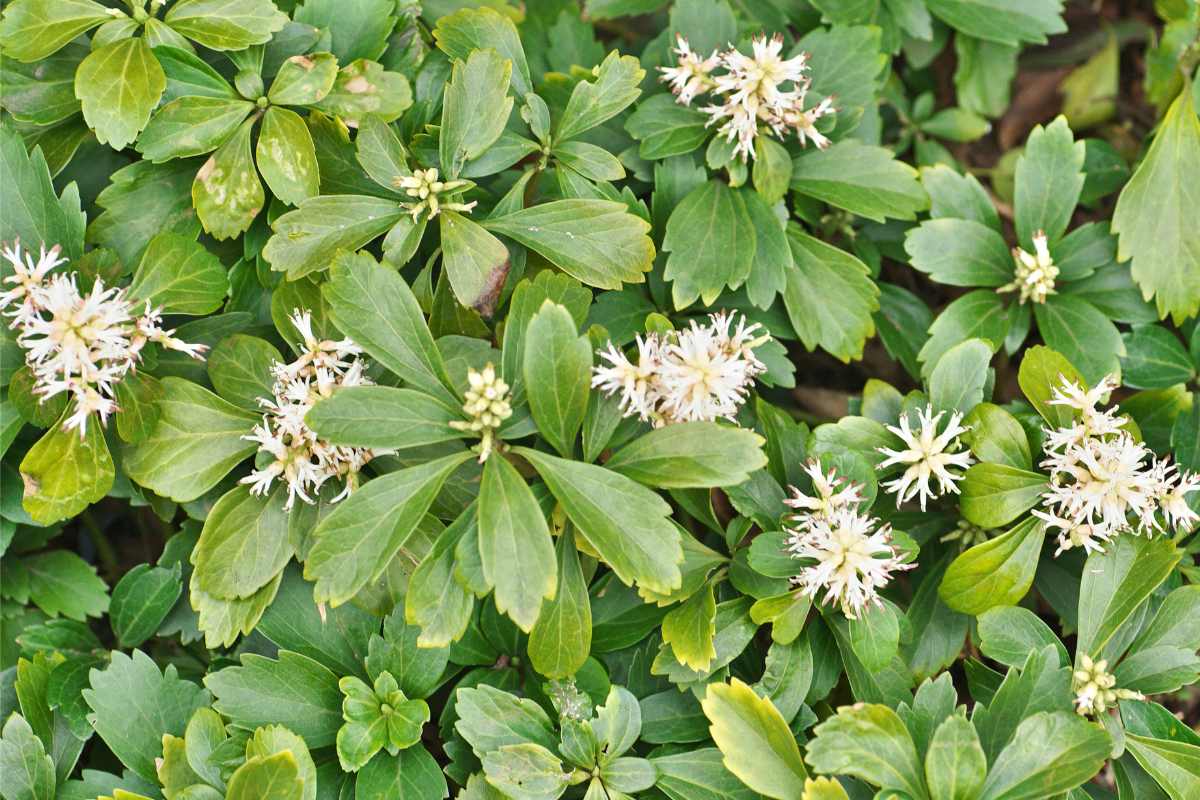
    How To Get Rid Of Pachysandra

    Pachysandra is a type of plant that grows in the water. It can be difficult to get rid of because it starts growing roots under your house, and most people don’t even know it’s there until it has expanded and taken over their garden. This blog article offers some tips on how to get rid of Pachysandra without having to tear everything up and start again.

  • Gardening ideas - Plants

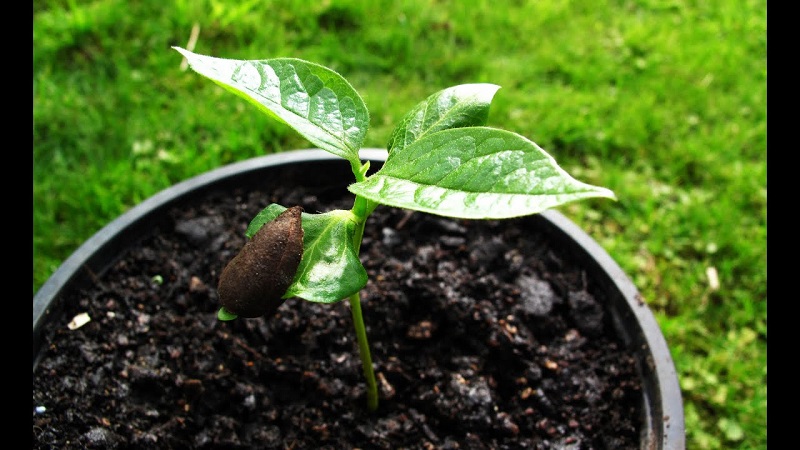
    How to germinate peach seeds

    From the Rosaceae family and native to China, the peach plant and its fruit are among the most commercialized in the world. This succulent fruit enjoys not only an unbeatable flavor and a showy appearance but also greatly beneficial properties for health. Its high content of vitamins A, B1, B2, E, K, and C makes it an excellent source of nutrients. In addition, it is a fruit rich in phosphorus and potassium.

  • Plants

    Types of indoor cacti

    Cacti are easy-care and very decorative plants perfect for placing at home or in the office. For many years they have become one of the preferred ornamental elements, especially in work or study areas because they are considered to help improve concentration, call for success, and protect us from bad energy, all of which provide a more natural environment. and relaxing.

  • Plants

    How to plant kiwis

    Kiwi is one of the fruits with the highest levels of vitamin C and E, and also provides other nutrients such as lutein, and minerals such as copper, phosphate, and magnesium. The fruit of the Kiwi plant also has anti-inflammatory, calming, and digestive properties. For its part, its delicious flavor has made this berry one of the essentials in culinary recipes around the world, appearing in desserts such as ice creams and even fruit salads.

  • Gardening ideas - Plants

    How To Plant Persimmon Seeds

    The persimmon tree produces autumn fruit. These are fruits that look like tomatoes or clementines, they are round and orange. The fruit contains high levels of glucose as well as being rich in vitamins and minerals (including vitamin A, vitamin C, and carotene). The fruit of the persimmon tree has beneficial properties because it is low in calories and contains many fibers, which is why it is a perfect food for slimming diets. Persimmon is also rich in antioxidants. It can be eaten raw but can also be used in cake recipes or smoothies. The leaves, on the other hand,…

  • Gardening ideas - Plants

    How to plant ginger

    Extremely easy to care for and excellent for food: today we’re going to talk about how to plant ginger and its countless benefits. First, it is important to emphasize that this root requires little space to be cultivated, since its need for light is only partial. Another advantage is not having to water as often. Ginger is a root of Southeast Asian origin and was one of the first spices to reach the Mediterranean. Its consumption is dated approximately 3 thousand years ago. There is even a record of the use of ginger to season meat sauces in general before…

  • Gardening ideas - Plants

    Iron chelate: how can it benefit your plants?

    If the leaves of your plants have turned yellow, you may be concerned about their health. And you do well since this could be compromised. The leaves turn that color for various reasons, such as excessive watering. However, if you do not engage in this bad practice, the problem could be a lack of iron. For this, the recommendation is the use of iron chelate.