If you own a home in Pennsylvania, you know that keeping your yard tidy takes real effort. Trees grow fast here. Shrubs spread wider every season. And after a wet spring or a stormy summer, branches pile up quickly. Having the right cutting tools makes the job faster, safer, and far less frustrating.
However, not all branch cutters are created equal. The right tool depends on the size of the branch, the type of plant, and how much cutting you plan to do. This guide is written specifically for Pennsylvania home gardeners who want practical advice without the jargon. Whether you are trimming a backyard apple tree or cleaning up overgrown hedges along your fence line, you will find clear guidance here.
Why Pennsylvania Gardens Demand the Right Cutting Tools
Pennsylvania has a varied climate. Winters are cold and sometimes brutal. Summers are warm and often humid. This combination drives fast, lush plant growth throughout spring and early summer. By the time July arrives, many homeowners find their yards have gotten ahead of them.
Trees and shrubs in this region tend to develop thick, woody growth quickly. Red maples, white oaks, forsythia, and ornamental cherries are all common in Pennsylvania yards. These plants produce branches that range from pencil-thin twigs to thick limbs that require serious cutting power.
Therefore, investing in quality tree trimming tools is not optional for serious home gardeners. The right equipment protects your plants, protects your body, and saves you time every single season.
Types of Branch Cutters Every Home Gardener Should Know
Before you buy anything, it helps to understand the main types of branch cutters available. Each one is designed for a specific job.
Hand Pruners
Hand pruners are the smallest and most commonly used cutting tool in any garden. They fit in one hand and are ideal for stems and branches up to about three-quarters of an inch thick. There are two main types: bypass and anvil.
Bypass pruners work like scissors. The blades cross over each other to make a clean, precise cut. Anvil pruners have a single blade that cuts down onto a flat surface. Bypass designs are generally preferred for living plants because they cause less damage to the surrounding tissue.
Loppers
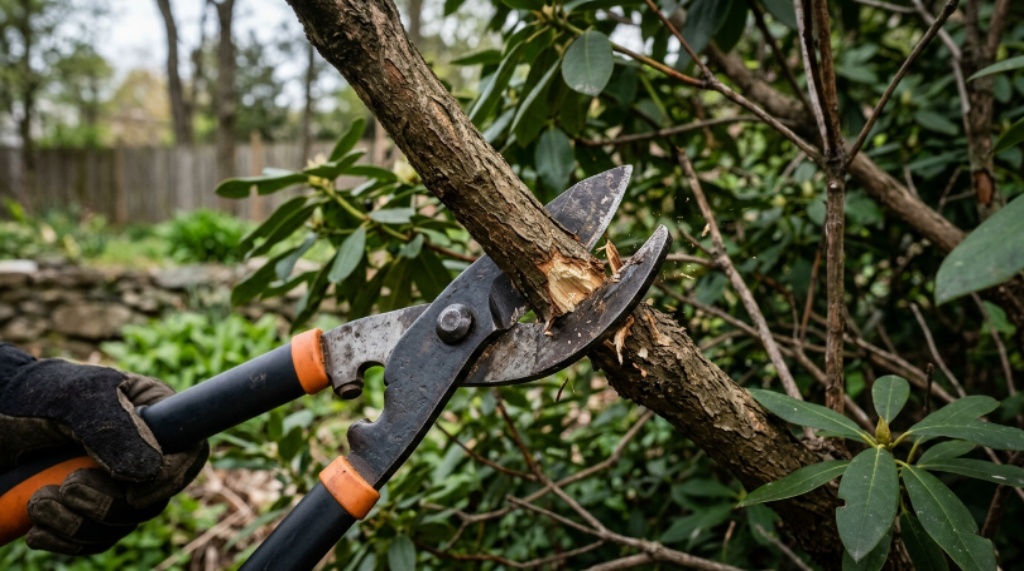
Loppers are essentially long-handled pruners. They give you extra reach and extra leverage for thicker branches. Most loppers can handle branches between one and two inches in diameter, though heavy-duty models go beyond that.
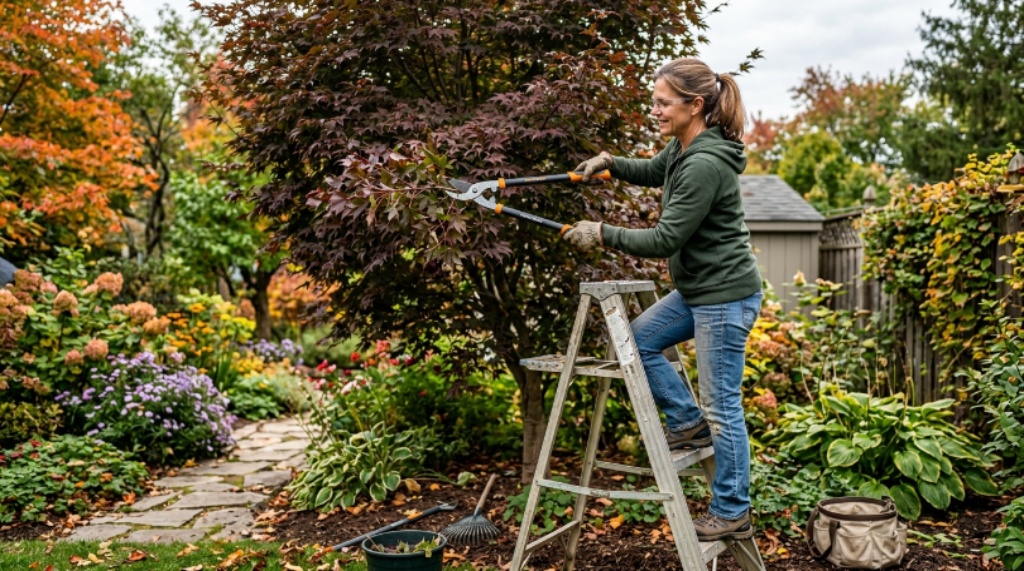
Bypass loppers are the most popular choice among experienced home gardeners. They use the same scissor-style cutting action as bypass hand pruners, which means cleaner cuts and healthier plants. The long handles reduce the strain on your wrists and shoulders during extended cutting sessions. Additionally, many modern loppers feature telescoping handles that extend your reach without a ladder.
Pruning Saws
For branches thicker than two inches, a pruning saw is often the better choice. These tools cut on both the forward and backward stroke, which reduces effort and speeds up the work. Folding pruning saws are convenient for home use because they are compact and safe to store.
Pole Pruners
Pole pruners combine a cutting head with a long pole, allowing you to reach high branches from the ground. They are especially useful in Pennsylvania yards with mature oaks, maples, or fruit trees. Some pole pruners include a small saw blade in addition to the cutting hook, which gives you two options without changing tools.
What to Look for When Buying Branch Cutters
Shopping for cutting tools can feel overwhelming when every product claims to be the best. Here are the features that actually matter.
Blade Material and Quality
The blade is the heart of any cutting tool. High-carbon steel blades hold an edge longer and resist rust better than standard steel. Some premium models use hardened steel or add a non-stick coating to reduce friction and sap buildup.
For Pennsylvania gardens, where humidity can accelerate rust, a good blade coating is worth paying for. Additionally, look for blades that can be sharpened or replaced. A replaceable blade extends the life of the entire tool significantly.
Handle Comfort and Grip
You will likely be using your cutters for stretches of thirty minutes or more. Therefore, handle comfort matters a great deal. Look for cushioned, non-slip grips that absorb vibration. Ergonomic handle designs reduce hand fatigue, which is especially important for older gardeners or anyone with joint sensitivity.
Lopper handles should be long enough to give you leverage without making the tool awkward to maneuver. A length between 25 and 32 inches is ideal for most adults working on ground-level branches.
Cutting Capacity
Always check the maximum cutting diameter before purchasing. Using a tool beyond its rated capacity damages the blade and can cause the handles to snap. For general home use in Pennsylvania, loppers rated for branches up to two inches will handle the vast majority of pruning tasks.
If you have large, mature trees with heavy limbs, consider adding a pruning saw or pole pruner to your toolkit. Having the right tool for each job protects both the tool and the plant.
Weight and Balance
A heavy tool gets tiring quickly. Look for models that balance well in your hands. Aluminum and fiberglass handles are much lighter than steel, and they do not sacrifice durability. Lighter bypass loppers with fiberglass handles are particularly popular among home gardeners who do extended pruning sessions.
Best Times to Prune in Pennsylvania
Knowing when to prune is just as important as knowing which tool to use. Pruning at the wrong time can stress your plants or invite disease.
For most deciduous trees and shrubs, late winter is the ideal pruning window. In Pennsylvania, this falls between late February and early March, just before new growth begins. At this time, plants are still dormant, which means they heal quickly from cuts and pests are less active.
However, spring-blooming shrubs like forsythia and lilac are an exception. These plants set their flower buds in the previous fall. Therefore, pruning them in late winter removes the buds and eliminates your spring blooms. Instead, prune spring bloomers immediately after they finish flowering.
Summer pruning is useful for light shaping and removing dead or diseased wood. Avoid heavy pruning in summer, as it can stress plants during hot weather. Fall pruning is generally discouraged because fresh cuts may not heal fully before winter arrives.
Caring for Your Branch Cutters
Good tools last for many years when properly maintained. Cleaning your cutters after each use removes sap, dirt, and moisture that can degrade the blades over time. A simple wipe with a clean cloth and a few drops of tool oil keeps the pivot point smooth and prevents rust.
Sharpening your blades regularly is equally important. A dull blade tears plant tissue instead of cutting it cleanly, which slows healing and increases the risk of disease. A simple handheld sharpener or a flat whetstone is sufficient for most pruners and loppers.
Additionally, store your tools indoors or in a covered shed during Pennsylvania winters. Cold temperatures combined with moisture can damage handles and cause metal to expand and contract in ways that loosen joints over time.
Recommended Cutting Tools for Pennsylvania Home Gardeners
Here is a straightforward look at the types of tools that suit common Pennsylvania garden tasks best.
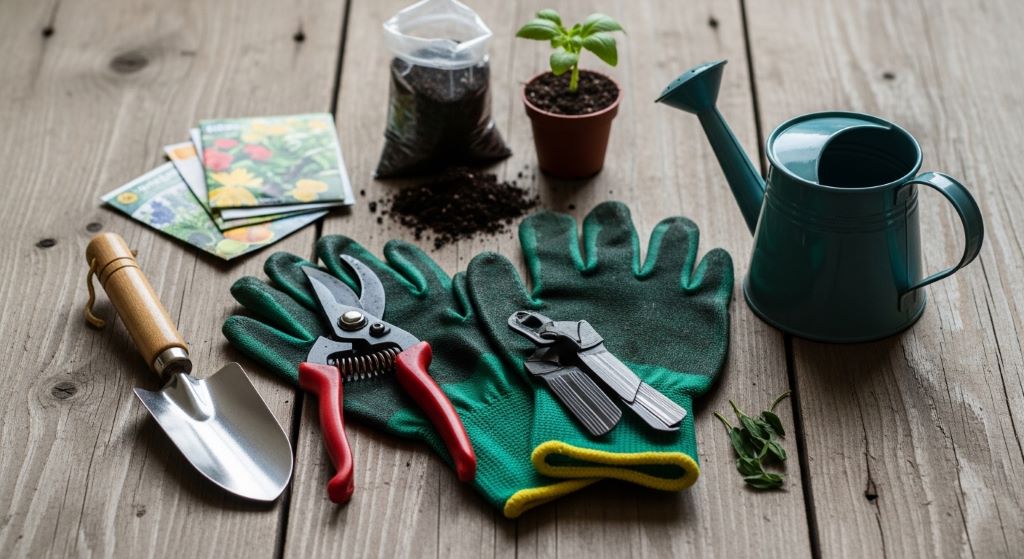
- For trimming roses, perennials, and thin shrub stems: a quality bypass hand pruner with a high-carbon steel blade works perfectly.
- For pruning ornamental trees, apple trees, and thick forsythia: bypass loppers with telescoping handles offer the reach and leverage you need.
- For removing storm-damaged limbs and thicker branches: a folding pruning saw handles the job cleanly and stores safely.
- For high branches on mature maples or oaks: a pole pruner with an extendable shaft keeps your feet safely on the ground.
- For shaping hedges along fences or driveways: a pair of hedge shears makes long, even cuts far more efficiently than individual pruners.
Conclusion
Pennsylvania home gardeners have plenty of choices when it comes to branch cutters. The key is matching the right tool to the right job. Hand pruners handle thin stems beautifully, while bypass loppers are the workhouse of any serious pruning kit. Pruning saws and pole pruners fill in the gaps for larger, harder-to-reach branches.
Invest in tools made from quality materials, pay attention to handle comfort, and keep your blades sharp and clean. Prune at the right time of year for each plant, and your trees and shrubs will reward you with healthier growth and better looks season after season.
With the right tree trimming tools in your shed and a little knowledge behind you, maintaining a beautiful Pennsylvania yard is genuinely enjoyable work.
Frequently Asked Questions
What is the difference between bypass and anvil loppers?
Bypass loppers use two blades that cross like scissors, producing a clean cut with minimal damage to plant tissue. Anvil loppers have one blade that cuts against a flat surface. Bypass models are better for living plants, while anvil designs are sometimes preferred for dead wood because they require less hand strength.
How thick a branch can loppers handle?
Most standard loppers are rated for branches up to one and a half to two inches in diameter. Heavy-duty models can handle up to two and a half inches. For anything thicker, a pruning saw is the safer and more effective choice.
When is the best time to prune trees in Pennsylvania?
Late winter, between late February and early March, is ideal for most trees and shrubs. Spring-blooming plants like forsythia and lilac should be pruned right after they finish flowering. Avoid heavy pruning in fall to allow cuts to heal before the cold sets in.
How do I keep my pruning tools from rusting?
Wipe blades clean after each use and apply a thin coat of tool oil or machine oil to the metal surfaces. Store tools in a dry location, especially during humid Pennsylvania summers and cold winters. Rust-resistant blade coatings also help extend the life of your tools.
Do I need a pole pruner if I have a ladder?
A ladder can work, but a pole pruner is generally safer and more practical for most homeowners. Cutting overhead while balancing on a ladder is physically demanding and carries real safety risks. A quality pole pruner lets you reach high branches from solid, level ground.