Gardening in Canada isn’t what it used to be—and that’s a good thing. Forget the rusty hand trowels and clunky wheelbarrows of the past. Today’s gardeners are embracing cutting-edge tools that make gardening smarter, easier, and more efficient. Whether you’re a backyard hobbyist or managing a commercial greenhouse, innovation is transforming how Canadians interact with their soil.
As technology weaves itself into every aspect of daily life, it’s no surprise that the gardening sector is blossoming with innovation. From ergonomic designs to AI-powered systems, what’s trending in Canada’s gardening tools is reshaping the entire growing experience.
A Surge in Smart Gardening Devices

Smart gardening tools are stealing the spotlight in 2025. According to Statista, the smart home market in Canada is expected to surpass $6.7 billion by 2025, and gardening tech is riding that wave. Canadians are investing in automated irrigation systems, smart soil sensors, and app-controlled planters.
These devices don’t just water your plants—they monitor soil pH, moisture, and sunlight exposure in real-time. Tools like the Parrot Flower Power and Xiaomi’s Mi Flora Sensor are increasingly popular among urban dwellers looking to maximize limited gardening space with minimal effort.
The logic is simple: smart devices reduce waste, save time, and improve plant health. Critics argue the high upfront cost may deter some, but long-term savings in water and plant replacement make it a worthy investment for many.
Ergonomic Tools for an Aging Population
Canada’s aging population is driving demand for ergonomic gardening tools. As Statistics Canada reports, almost one in five Canadians is over 65, and many of them are passionate gardeners. Companies are responding with lightweight, joint-friendly tools that reduce strain and increase comfort.
Brands like Fiskars and Radius Garden now offer tools with padded handles, curved shafts, and telescopic features. These innovations help prevent injuries and extend gardening longevity. Gardeners who’ve struggled with arthritis or limited mobility say these designs make a world of difference.
Opponents may point to slightly higher prices, but the comfort and accessibility these tools provide often outweigh the cost for long-term users.
Battery-Powered Equipment Changing the Game
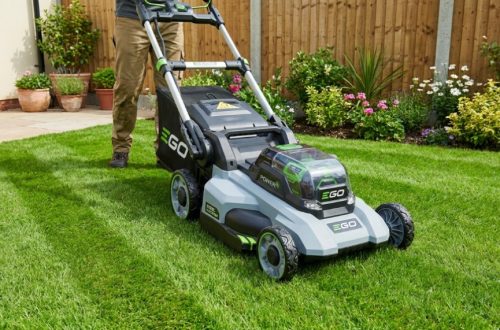
The shift from gas-powered to battery-powered garden tools is another game-changer in Canada’s market. Electric trimmers, hedge cutters, and lawn mowers have grown in popularity due to their eco-friendliness and quieter operation.
According to MarketWatch, the global battery-powered gardening equipment market is growing at a CAGR of 5.7% through 2030, and Canada is no exception. Brands like EGO Power+, Greenworks, and Ryobi dominate this space, offering powerful alternatives without the fumes or noise.
Battery-powered tools are ideal for urban areas where noise restrictions and environmental concerns are top priorities. Critics often highlight battery life as a downside, but advancements in lithium-ion technology are addressing these concerns rapidly.
Compact Gardening Solutions for Urban Spaces
As more Canadians live in condos and apartments, compact and modular gardening tools are thriving. Urban gardening kits, vertical planters, and foldable tools allow even the smallest balconies to flourish with greenery.
The rise of hydroponic indoor gardening systems like Click and Grow and AeroGarden reflects this shift. These tools use space-age technology to grow herbs, vegetables, and flowers with minimal space and effort.
While purists argue that indoor gardening lacks the tactile joy of soil, urban gardeners appreciate the convenience and year-round growth potential. It’s a classic trade-off—tradition versus modern efficiency.
Sustainability is Driving Consumer Choices
Eco-consciousness is no longer a trend—it’s a standard. Canadian gardeners increasingly favor tools made from recycled materials, bamboo, and biodegradable plastics. Products like compostable seedling pots and solar-powered garden lights are now common in major retailers like Home Depot Canada and Lee Valley Tools.
The rise in sustainable gardening tools aligns with Canada’s broader environmental goals. In fact, a 2024 Ipsos survey showed that 64% of Canadians prefer eco-friendly products, even at a higher price.
Still, not all green products are created equal. Some lack durability, prompting concerns about their long-term environmental impact. Smart buyers read reviews and seek third-party certifications to verify eco claims.
AI and Robotics Enter the Garden
If it sounds futuristic, that’s because it is. Robotic lawn mowers, AI weeders, and autonomous seed planters are now a reality. Products like Tertill, developed by the creators of Roomba, use solar power and sensors to tackle weeds without harming plants.
AI tools analyze data, adapt to growing conditions, and make real-time decisions. This technology is particularly helpful for those managing large gardens or dealing with unpredictable climates.
However, with high costs and tech-learning curves, robotic tools remain a niche segment—for now. As prices fall and usability improves, expect broader adoption in Canada’s tech-savvy gardening circles.
Trending Tools in 2025: A Snapshot
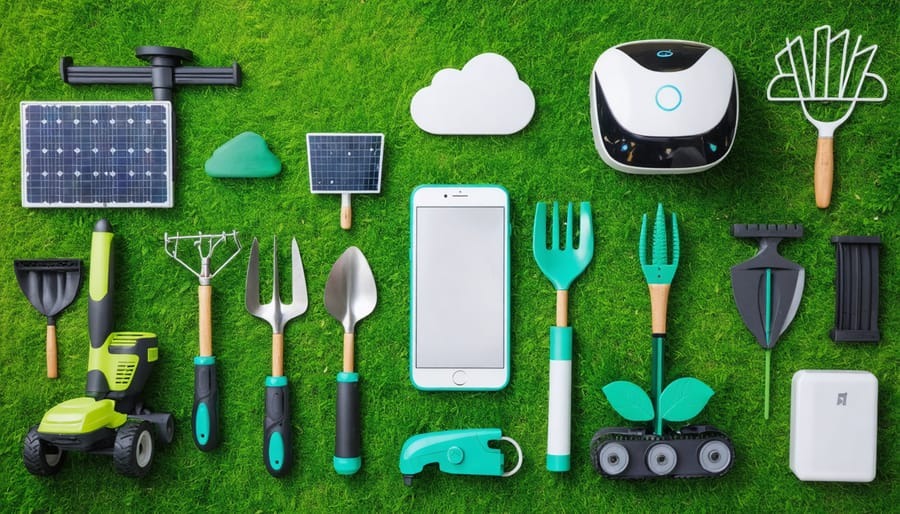
- Smart Soil Sensors – Ideal for precision gardening and reducing water waste
- Telescopic Pruners – Designed for comfort and extended reach
- Robotic Mowers – Perfect for hands-off lawn maintenance
- Hydroponic Kits – Great for indoor and apartment gardening
- Solar-Powered Irrigation Systems – Eco-friendly and cost-saving
Each of these tools reflects current consumer values: efficiency, sustainability, and ease of use.
Featured Snippet: What Are the Latest Innovations in Gardening Tools in Canada?
Canada’s gardening tool market in 2025 is defined by smart technology, sustainability, and ergonomic design. Innovations include smart soil sensors that measure moisture and pH in real-time, robotic weeders like Tertill that autonomously clear unwanted plants, and electric-powered tools that replace noisy, gas-guzzling models. Urban gardeners are turning to vertical gardens and hydroponic kits to maximize small spaces, while eco-conscious buyers are seeking compostable and solar-powered tools. These innovations not only save time and energy but also align with Canada’s environmental values. Whether you’re in Toronto or rural Alberta, the future of gardening is high-tech and user-friendly.
Frequently Asked Questions (FAQs)
Are smart gardening tools worth the investment?
Yes. While the upfront cost may be higher, they save water, time, and improve plant health.
What gardening tools are best for seniors?
Ergonomic tools with padded grips, curved handles, and lightweight materials are ideal.
How popular are robotic lawn mowers in Canada?
They’re gaining traction, especially in urban areas where noise and time management are crucial.
Can I use hydroponic systems without sunlight?
Yes. Most systems include built-in LED grow lights to simulate sunlight indoors.
Are electric gardening tools powerful enough?
Modern lithium-ion batteries provide comparable power to gas tools, with less noise and pollution.
How do smart irrigation systems work?
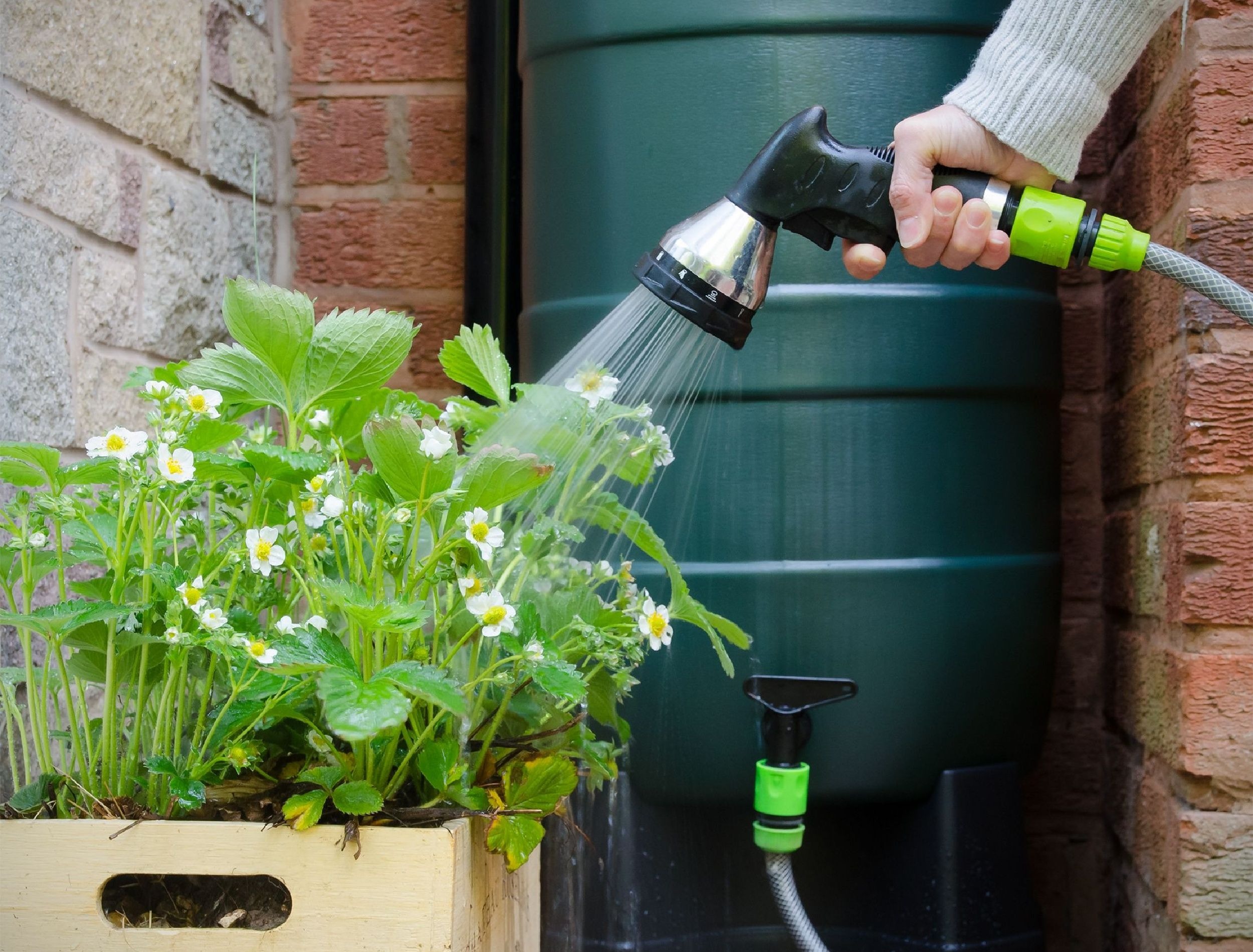
They connect to sensors and weather forecasts to deliver water only when needed, reducing waste.
What’s the most eco-friendly gardening tool available?
Solar-powered irrigation kits and compostable seedling trays top the list for sustainability.
Releted Topics: Front Yard into a Vibrant Vegetable Garden
Final Thought
Canada’s gardening tool landscape is evolving fast, driven by technology, sustainability, and a renewed love for green spaces. Whether you’re growing herbs in a high-rise or maintaining a backyard oasis, modern tools are here to simplify and elevate the experience.
Don’t get left in the weeds—embrace the innovations and transform how you garden.
Ready to upgrade your garden gear? Start exploring Canada’s latest tools and revolutionize your growing game today.