San Diego homeowners enjoy one of the most garden-friendly climates in the United States. The city receives around 266 sunny days each year, and average temperatures stay mild across all seasons. Because of these conditions, many residents maintain healthy lawns, flower beds, and vegetable gardens throughout the year. However, successful gardening still requires planning and consistency. Many locals now follow the best daily gardening practices to improve soil health, conserve water, and support long-term plant growth. With the right methods, homeowners can create vibrant outdoor spaces that thrive in San Diego’s coastal environment.
Understanding San Diego’s Gardening Climate
San Diego has a Mediterranean climate with warm summers and mild winters. This weather pattern allows homeowners to grow plants year-round without extreme seasonal interruptions. However, dry conditions and limited rainfall can create challenges for gardeners. Therefore, many residents focus heavily on moisture control and drought-friendly planting methods.
Coastal areas in San Diego often experience marine layers and cooler temperatures during mornings. Inland neighborhoods usually stay warmer and drier throughout the day. Because of these regional differences, gardeners often choose plants based on their exact location. As a result, plant selection becomes one of the most important parts of successful gardening.
The region also faces occasional drought restrictions that affect watering schedules. Homeowners must follow efficient irrigation practices to avoid wasting water. Additionally, many residents now replace high-maintenance grass with native plants and mulch. These adjustments help gardens stay healthy while reducing water consumption.
Choosing Plants That Thrive in San Diego
Native and drought-tolerant plants perform especially well in San Diego gardens. Many homeowners select species that naturally adapt to dry soil and strong sunlight. This approach lowers maintenance demands while improving plant survival rates. Furthermore, native plants often attract pollinators like butterflies and bees.
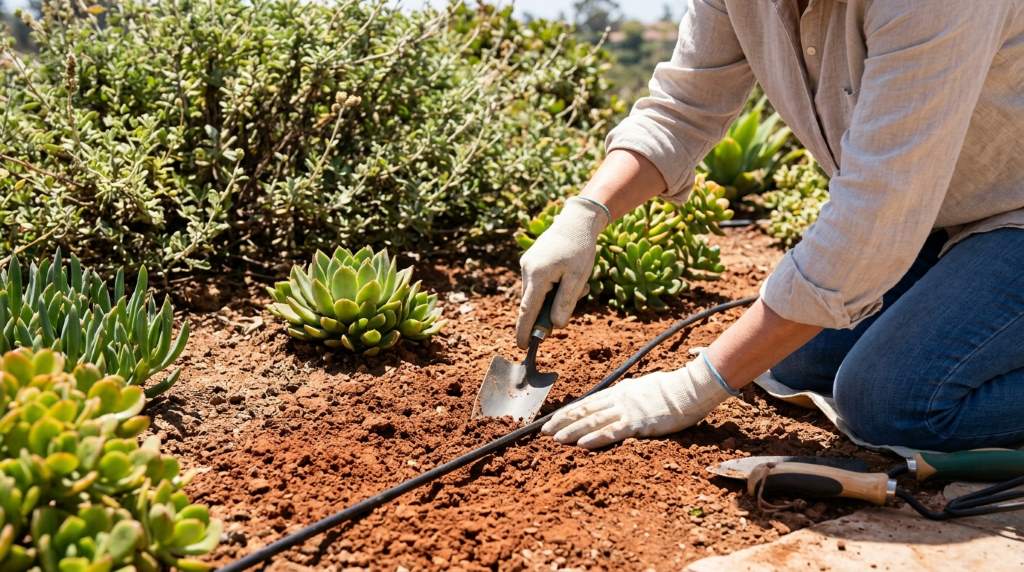
Popular garden choices in San Diego include lavender, California poppies, succulents, rosemary, and sage. These plants require less water compared to traditional garden varieties. At the same time, they provide texture, fragrance, and color throughout the year. Many residents also combine edible plants with ornamental landscaping for practical outdoor spaces.
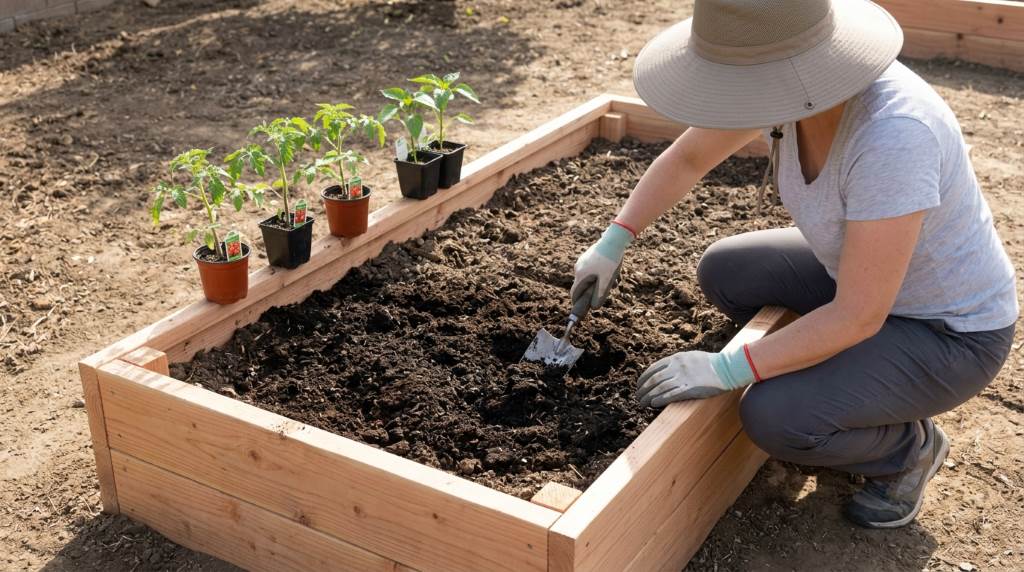
Vegetable gardening remains common across the region because of the mild climate. Tomatoes, peppers, lettuce, cucumbers, and herbs grow successfully in backyard gardens. However, homeowners usually rotate crops to maintain healthy soil conditions. This simple practice reduces disease risks and improves harvest quality.
Best Native Plants for Local Gardens
Many San Diego homeowners prefer native plants because they support long-term sustainability. These species adapt naturally to local weather and soil conditions. As a result, they need fewer fertilizers and less frequent watering. Below are several popular choices for local landscapes:
- California lilac
- Manzanita
- Toyon
- Coastal sagebrush
- Agave
- Aloe vera
- Desert marigold
These plants provide beauty while helping homeowners conserve valuable resources. Additionally, they support local wildlife and pollinator populations. Many professional landscapers also recommend mixing native shrubs with flowering plants. This creates a balanced and visually appealing outdoor environment.
Watering Strategies Used by Homeowners
Efficient watering remains one of the most important garden growth habits in San Diego. Since rainfall stays limited for much of the year, residents carefully manage irrigation systems. Many homeowners water early in the morning to reduce evaporation during hotter hours. Consequently, plants absorb moisture more effectively throughout the day.
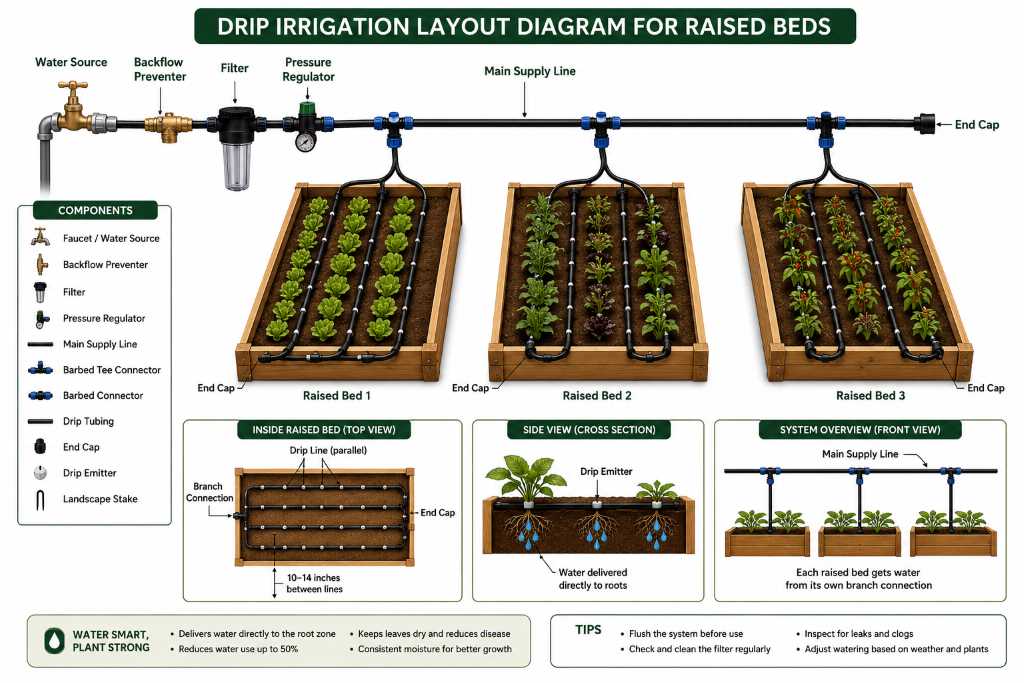
Drip irrigation systems have become extremely popular across local neighborhoods. These systems deliver water directly to plant roots instead of spraying large areas. Therefore, homeowners waste less water while keeping soil consistently moist. Many residents also install smart irrigation controllers that adjust watering schedules based on weather conditions.
Mulching also plays a major role in water conservation. Organic mulch helps soil retain moisture and prevents rapid drying under sunlight. At the same time, mulch reduces weed growth and stabilizes soil temperatures. Most gardeners apply fresh mulch several times each year for better results.
Signs of Overwatering in San Diego Gardens
Although water conservation matters, overwatering remains a common problem for many homeowners. Too much moisture can weaken roots and encourage fungal diseases. Therefore, gardeners should watch for several warning signs before increasing irrigation. Common indicators include:
- Yellowing leaves
- Soft or rotting stems
- Mold growth around soil
- Mushy lawn patches
- Persistent plant drooping
Checking soil moisture regularly helps prevent these issues. Many homeowners simply test soil with their fingers before watering again. This easy habit improves plant health and reduces unnecessary water usage.
Improving Soil Quality for Stronger Growth
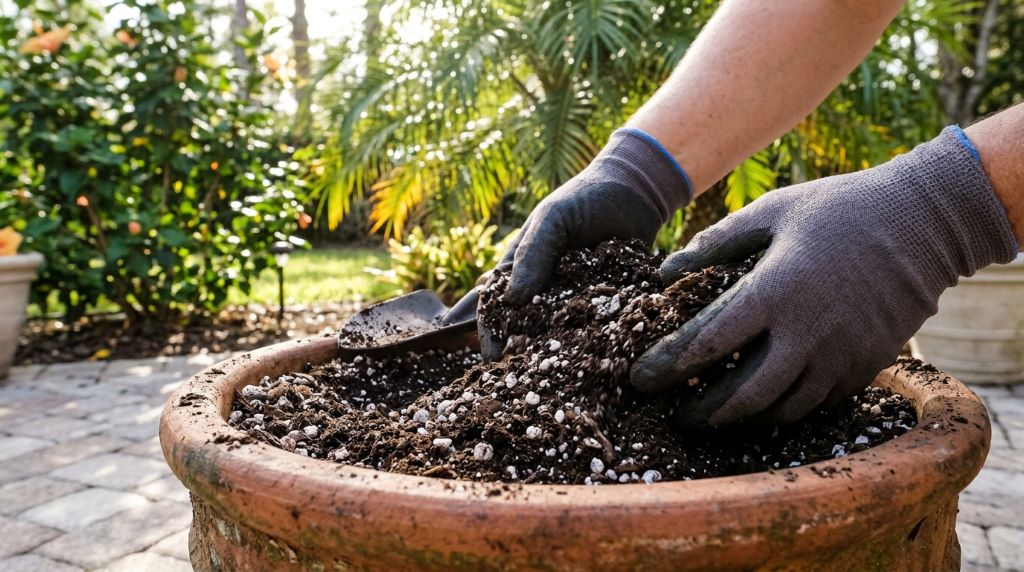
Healthy soil forms the foundation of every successful garden in San Diego. However, local soil conditions often contain clay, sand, or low organic matter. Because of this, homeowners frequently improve soil before planting flowers or vegetables. Soil preparation helps roots grow deeper and absorb nutrients more effectively.
Compost remains one of the most common soil improvements used by local gardeners. It enriches soil naturally while supporting beneficial microorganisms. Additionally, compost improves drainage and moisture retention in dry climates. Many residents create homemade compost using kitchen scraps and yard waste.
Testing soil pH also helps homeowners choose the right amendments for their gardens. Certain plants prefer slightly acidic soil, while others thrive in alkaline conditions. Therefore, gardeners often use simple testing kits before planting new species. This step reduces growth problems and supports healthier plant development.
Raised garden beds have also gained popularity throughout San Diego neighborhoods. These beds provide better drainage and greater control over soil quality. Furthermore, they allow homeowners to grow vegetables in compact backyard spaces. Many families now use raised beds for organic gardening projects.
Daily Maintenance Habits That Support Garden Growth
Consistent daily care makes a major difference in long-term garden success. Many San Diego homeowners spend a few minutes each day checking plant health and soil conditions. This routine helps them identify problems before they become severe. As a result, gardens stay healthier with less effort over time.
Weed control remains an essential part of everyday maintenance. Weeds compete with flowers and vegetables for nutrients, sunlight, and water. Therefore, many gardeners remove weeds as soon as they appear. Quick action prevents larger infestations from developing later.
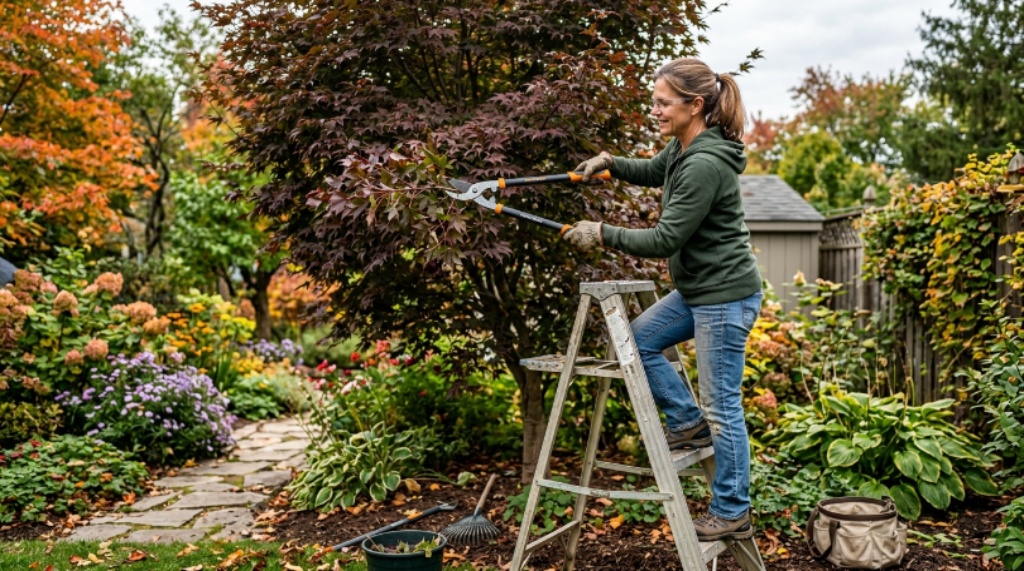
Pruning also helps plants maintain strong growth patterns and attractive shapes. Homeowners regularly trim dead branches, faded flowers, and damaged leaves. Consequently, plants direct more energy toward healthy new growth. Pruning additionally improves airflow and reduces disease risks.
Fertilizing schedules vary depending on plant type and season. However, many residents use organic fertilizers to avoid harsh chemical buildup in soil. Natural options often support steady plant growth without damaging beneficial insects. This method aligns well with eco-friendly gardening trends across Southern California.
Pest Control Methods Commonly Used in San Diego
Warm weather creates favorable conditions for many garden pests throughout the year. Aphids, snails, whiteflies, and spider mites commonly affect local plants. Because of this, homeowners often inspect gardens carefully during routine maintenance. Early detection usually prevents larger infestations from spreading.
Many residents prefer natural pest control methods instead of strong chemical treatments. Companion planting remains especially popular among vegetable gardeners. Certain plants naturally repel insects while supporting nearby crops. For example, marigolds help discourage harmful pests in vegetable beds.
Beneficial insects also play a valuable role in local gardens. Ladybugs and praying mantises naturally reduce harmful insect populations. Therefore, many homeowners avoid pesticides that could harm these helpful species. Maintaining a balanced garden ecosystem often leads to healthier plant growth.
Physical barriers provide another effective solution for pest management. Garden netting and row covers protect vegetables from insects and birds. Additionally, copper tape helps prevent snails and slugs from damaging raised beds. These simple tools support safer and more sustainable gardening practices.
Lawn Care Practices That Improve Outdoor Appearance
Many San Diego homeowners maintain small lawns alongside drought-tolerant landscaping. However, local water restrictions encourage efficient lawn care routines. Residents usually mow grass slightly higher during warmer months to protect roots from heat stress. Taller grass also helps soil retain moisture more effectively.
Aerating lawns improves oxygen flow and water absorption within compacted soil. Many homeowners aerate during spring or early fall for best results. Consequently, grass roots grow deeper and remain healthier throughout dry periods. Overseeding thin lawn areas also improves overall appearance.
Fertilizer timing remains important for maintaining green lawns without excessive growth. Most residents apply slow-release fertilizers several times per year instead of frequent treatments. This approach supports steady development while reducing nutrient runoff. Many homeowners additionally switch to drought-resistant grass varieties for easier maintenance.
Artificial turf has also become increasingly common across San Diego properties. Some homeowners choose synthetic grass to reduce water usage and maintenance demands. While this option requires upfront investment, it eliminates mowing and irrigation costs over time. As a result, many neighborhoods now feature mixed landscaping styles.
Seasonal Gardening Tips for Year-Round Success
Although San Diego has mild weather, seasonal adjustments still improve garden performance. Spring remains one of the busiest gardening seasons for planting vegetables and flowers. Homeowners often prepare soil and refresh mulch during this period. Additionally, warmer temperatures encourage rapid plant growth.
Summer gardening requires extra attention to watering and sun protection. Many residents use shade cloths to protect delicate plants from intense afternoon heat. Deep watering also becomes more important during extended dry periods. Consequently, gardeners carefully monitor soil moisture levels throughout the season.
Fall offers excellent conditions for planting native shrubs and cool-season vegetables. Soil temperatures remain warm enough for root development before winter arrives. Many homeowners also clean garden beds and remove dead plant material during autumn. This reduces disease risks before cooler weather begins.
Winter gardening remains possible because freezing temperatures rarely affect coastal areas. Residents continue growing leafy greens, herbs, and certain flowers throughout the season. However, reduced daylight hours may slow plant growth slightly. Even so, San Diego gardens often remain productive year-round.
Creating Sustainable Gardens in Urban Neighborhoods
Sustainability has become a major focus for homeowners across San Diego communities. Many residents now design gardens that reduce environmental impact while supporting local ecosystems. Water conservation, composting, and native planting all contribute to this goal. These methods also reduce long-term maintenance costs.
Rain barrels help homeowners collect and reuse water during occasional storms. Although rainfall stays limited, collected water still benefits smaller gardens and container plants. Additionally, permeable pathways allow rainwater to soak naturally into the soil. These strategies reduce runoff and improve groundwater absorption.
Pollinator-friendly gardens continue gaining popularity throughout urban neighborhoods. Homeowners often plant flowers that attract bees, butterflies, and hummingbirds. Consequently, these gardens support biodiversity while adding visual beauty to outdoor spaces. Many schools and community gardens now encourage similar planting habits.
Container gardening also helps residents maximize limited outdoor areas. Balconies, patios, and small courtyards often contain herbs, vegetables, and flowering plants. This approach allows homeowners to enjoy gardening even without large yards. Furthermore, containers provide flexibility for changing seasonal conditions.
Conclusion
Everyday gardening success in San Diego depends on consistency, smart planning, and climate-aware choices. Homeowners who focus on soil health, efficient watering, and native plants often achieve stronger long-term growth. Additionally, sustainable gardening practices help conserve resources while improving outdoor beauty. Simple daily habits can make a noticeable difference in both small and large landscapes. Whether you maintain a vegetable garden or decorative yard, applying these practical tips will support healthier plants throughout the year. Start improving your garden today and create an outdoor space that thrives in San Diego’s unique climate.
FAQs
What is the best time to water gardens in San Diego?
Early morning is usually the best time because it reduces evaporation and improves moisture absorption.
Which plants grow best in San Diego gardens?
Native and drought-tolerant plants like lavender, sage, succulents, and California poppies grow especially well.
How often should homeowners add mulch to garden beds?
Most gardeners refresh mulch two or three times each year for better moisture retention and weed control.
Why do many San Diego homeowners use drip irrigation?
Drip irrigation conserves water by delivering moisture directly to plant roots with minimal waste.
Can vegetables grow year-round in San Diego?
Yes, the mild climate allows many vegetables and herbs to grow successfully throughout the year.
Related Reads
Read more: How to Create a Pollinator Patch (Even in a Tiny Garden)
Explore: How to Plan Cottage Garden Flowers for Continuous Color
Learn: How to Grow Dark Flowers for a Gothic Garden Aesthetic