Imagine stepping out your front door and being greeted not by a patch of high-maintenance grass, but by a vibrant tapestry of wildflowers swaying in the breeze. Bees buzz happily, butterflies flutter from bloom to bloom, and neighbors pause to admire the natural beauty of your yard. Sounds like a dream, right? The good news is: you can create a wildflower front yard that’s both stunning and eco-friendly—and it’s easier than you might think.
This guide will walk you step-by-step through the process of transforming your lawn into a wildflower sanctuary. We’ll cover planning, planting, maintenance, and design tips to ensure your wildflower yard looks intentional, not unkempt.
Why Choose a Wildflower Front Yard?
Before we dive into the “how,” let’s talk about the “why.” Many homeowners are ditching traditional lawns in favor of wildflower yards, and here’s why it’s such a great choice:
- Eco-friendly landscaping: Wildflowers provide nectar and habitat for pollinators like bees, hummingbirds, and butterflies.
- Water conservation: Unlike grass, wildflowers thrive with minimal watering once established.
- Low maintenance: Say goodbye to constant mowing and fertilizing.
- Cost savings: Less water, fewer chemicals, and no need for expensive lawn services.
- Unique curb appeal: A wildflower yard sets your home apart with a natural, colorful aesthetic.
With rising interest in sustainable landscaping and climate-conscious gardening, wildflower lawns have quickly become one of the top landscaping trends for eco-friendly homeowners.
Step 1: Plan Your Wildflower Front Yard
A successful wildflower yard starts with thoughtful planning. Jumping straight into scattering seeds may lead to uneven growth or an unintended “weedy” appearance. Here’s how to lay the groundwork:
Assess Your Space
- Sunlight: Most wildflowers thrive in full sun (6+ hours daily). Identify shady areas for shade-tolerant blooms.
- Soil type: Sandy, loamy, or clay soils all support different wildflower species. Consider a soil test if unsure.
- Climate zone: Choose wildflowers native to your USDA hardiness zone for best results.
Define Your Vision
Ask yourself:
- Do you want a meadow-style look or a more structured cottage-garden design?
- Would you prefer perennial wildflowers (return each year) or annuals (provide quick bursts of color)?
- Are you aiming for a pollinator-friendly habitat, low-maintenance landscaping, or simply curb appeal?
Check Local Regulations
Some neighborhoods and HOAs have restrictions on lawn alternatives. Review guidelines to avoid conflicts—sometimes edging, pathways, or signage labeling the area as a pollinator garden can help.
Step 2: Select the Right Wildflower Mix
Choosing the right seeds is critical to achieving a healthy and beautiful front yard.
Native Wildflowers First
Opt for native wildflower species. They’re adapted to your soil and climate, require less maintenance, and provide the greatest benefits for local pollinators.
Blend Annuals and Perennials
- Annuals (like cosmos, zinnias, and poppies) bloom quickly in the first year.
- Perennials (such as coneflowers, black-eyed Susans, and milkweed) establish slowly but return year after year.
A mix ensures both instant color and long-term resilience.
Popular Wildflower Seed Mix Options
- Pollinator-friendly mixes
- Drought-tolerant mixes
- Region-specific native wildflower blends
- Shade or partial-sun wildflower packs
Pro Tip: Avoid generic “wildflower” seed mixes from big-box stores. Instead, purchase regionally adapted mixes from native plant nurseries or trusted seed suppliers.
Step 3: Prepare the Soil
Healthy soil = thriving wildflowers. Here’s how to prepare:
- Remove existing grass or weeds
- Smother with cardboard/mulch for eco-friendly removal.
- Use a sod cutter for quicker results.
- Solarize by covering with clear plastic during hot months.
- Loosen the soil
- Lightly till or rake the top 2–3 inches.
- Avoid deep tilling, which can bring dormant weed seeds to the surface.
- Skip fertilizers
- Wildflowers prefer lean, unfertilized soil. Too much nitrogen encourages weeds over flowers.
Step 4: Plant Your Wildflower Seeds
The timing and method of planting matter:
Best Time to Plant
- Fall: Ideal for many regions, especially perennials. Seeds overwinter naturally and bloom in spring.
- Spring: Great for annual wildflowers or cooler climates.
Planting Method
- Mix seeds with sand: This helps spread them evenly.
- Broadcast seeds: Scatter by hand or use a seed spreader.
- Rake lightly: Press seeds into soil but don’t bury deeply.
- Water gently: Keep soil moist until seedlings establish.
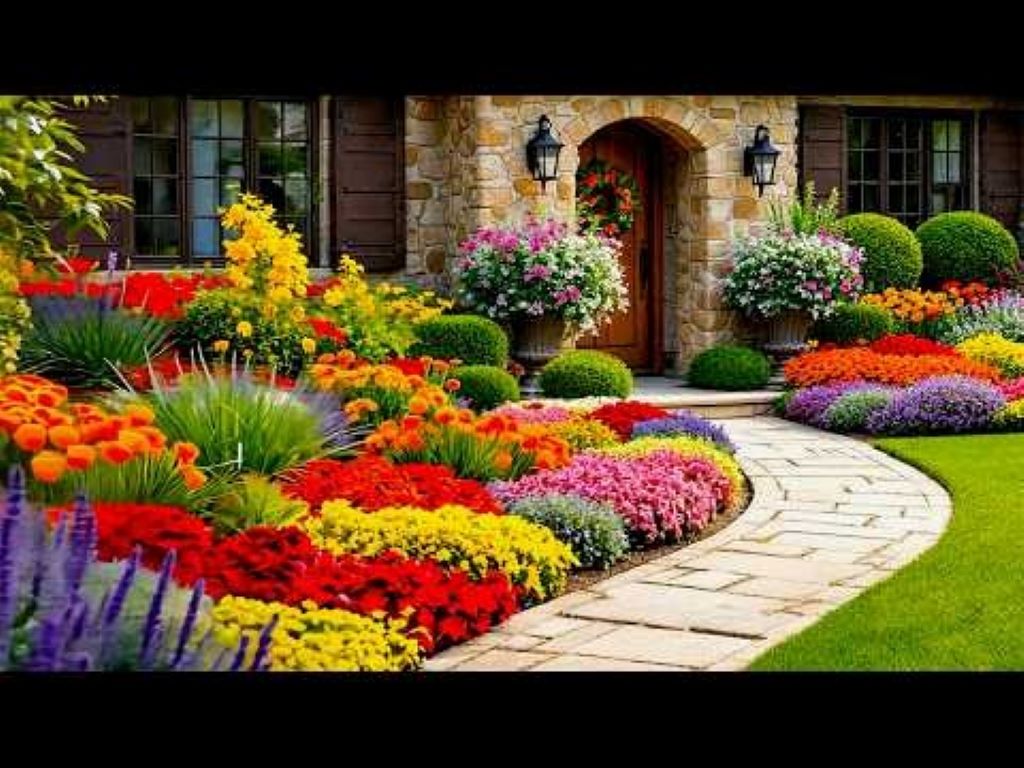
Step 5: Maintain Your Wildflower Yard
While wildflowers are low-maintenance, they still need some care—especially in the first year.
- Watering: Water regularly until plants are established. Afterward, most wildflowers thrive on rainfall alone.
- Weeding: Remove invasive weeds early to prevent them from outcompeting flowers.
- Mowing or cutting back: At the end of the growing season, mow or trim to about 6 inches to encourage reseeding and new growth.
- Re-seeding: Sprinkle fresh seeds annually to fill gaps and increase diversity.
Step 6: Add Design Elements
To ensure your wildflower yard looks intentional—not just like an overgrown patch—add design features that create structure and flow.
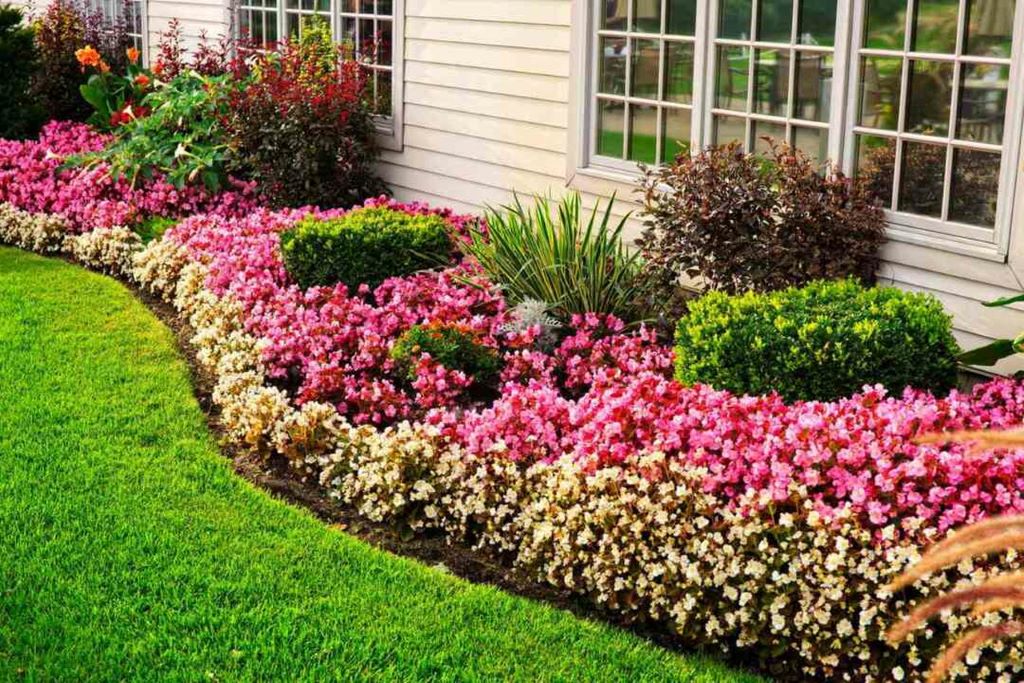
- Defined borders: Use stone edging, pathways, or mulch borders to frame the wildflower area.
- Garden paths: Gravel or stepping-stone paths allow access and visual order.
- Complementary plants: Mix in shrubs, ornamental grasses, or small trees for height and texture.
- Signage: A small “Pollinator Habitat” or “Wildflower Garden” sign signals that your yard is a purposeful, eco-friendly landscape.
Common Mistakes to Avoid
- Planting the wrong seed mix: Generic or non-native seeds can disappoint.
- Over-fertilizing: Leads to weeds instead of wildflowers.
- Skipping soil prep: Seeds won’t thrive on compacted, weedy ground.
- Expecting instant perfection: Wildflower yards evolve over 2–3 years into their full beauty.
- Neglecting design: Without borders or pathways, wildflower yards may look unkempt.
Benefits Beyond Beauty
When you create a wildflower front yard, you’re doing more than boosting curb appeal. You’re:
- Supporting endangered pollinators.
- Conserving water in drought-prone areas.
- Reducing reliance on pesticides and fertilizers.
- Creating a relaxing, nature-inspired space right outside your door.
Wildflower landscapes also align with xeriscaping and re-wilding trends, making them both eco-conscious and future-forward choices.
FAQs About Creating a Wildflower Front Yard
- Will my HOA allow a wildflower yard?
Check your community’s guidelines. Many homeowners gain approval by keeping edges tidy and using signage. - Do wildflowers attract pests?
Wildflowers attract beneficial insects, but rarely pests. A balanced ecosystem keeps harmful bugs in check. - How long before I see blooms?
Annuals may bloom within weeks, while perennials often take one to two seasons. - Do I need to mow a wildflower yard?
Yes, but only once or twice per year. Seasonal mowing encourages reseeding and prevents woody plants from taking over. - Can I mix wildflowers with grass?
Yes! Mixing low-growing grasses like fescue with wildflowers creates a natural, meadow-like effect.
Final Thoughts: Transform Your Front Yard into a Pollinator Paradise
Switching from a traditional lawn to a wildflower front yard isn’t just a landscaping choice—it’s a lifestyle shift toward sustainability, biodiversity, and natural beauty. By planning carefully, choosing the right seeds, and maintaining with intention, you’ll create a front yard that’s not only stunning but also a haven for pollinators and a conversation starter in your neighborhood.
Read More:
How to Compost in Cold Climates
From Kitchen Scraps to Garden Gold: A Beginner’s Guide to Composting