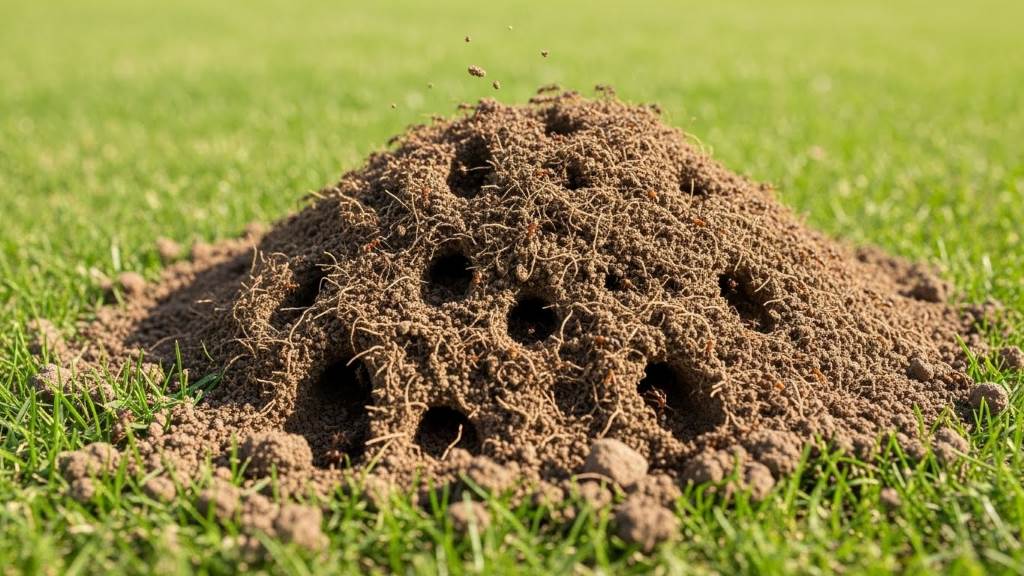
Picture your lush green lawn dotted with unsightly mounds of soil. Ants tunneling underneath disrupt the beauty and health of your yard. These tiny invaders create networks of passages in the soil, which can weaken grass roots and invite other pests. Homeowners often battle this issue during warm months. According to Penn State Extension, several species of ants commonly live in home lawns across the United States. Additionally, research from the National Institute of Food and Agriculture shows that in urban areas, fire ant densities can reach up to 1.4 nests per square meter. Fortunately, you can take control with simple strategies. This guide covers natural remedies, chemical options, and prevention tips to restore your lawn’s vitality.
Why Do Ants Tunnel in Lawn Soil?
Ants dig tunnels for good reasons in their world. They build nests to protect their colonies from weather and predators. Queens lay eggs deep underground, while workers forage for food. Soil provides a stable home with easy access to moisture and nutrients. However, this activity harms your lawn. Tunnels loosen the earth, making it hard for grass to stay anchored. Water drains unevenly, leading to dry patches or erosion.
Certain conditions attract ants more. Dry, sandy soils appeal to them because digging comes easily. Overwatered areas offer hydration, but compacted ground pushes them elsewhere. For instance, lawns with poor drainage see more infestations. Recent studies from the University of Florida highlight how ants prefer well-drained spots for nesting. Therefore, understanding these preferences helps you target the problem effectively.
Environmental factors play a role too. Warm temperatures speed up ant activity. In spring and summer, colonies expand rapidly. Food sources like aphids or plant debris draw them in. Consequently, a neglected yard becomes a prime target. By addressing these triggers, you prevent tunnels from forming in the first place.
Signs of Ant Infestation in Your Lawn
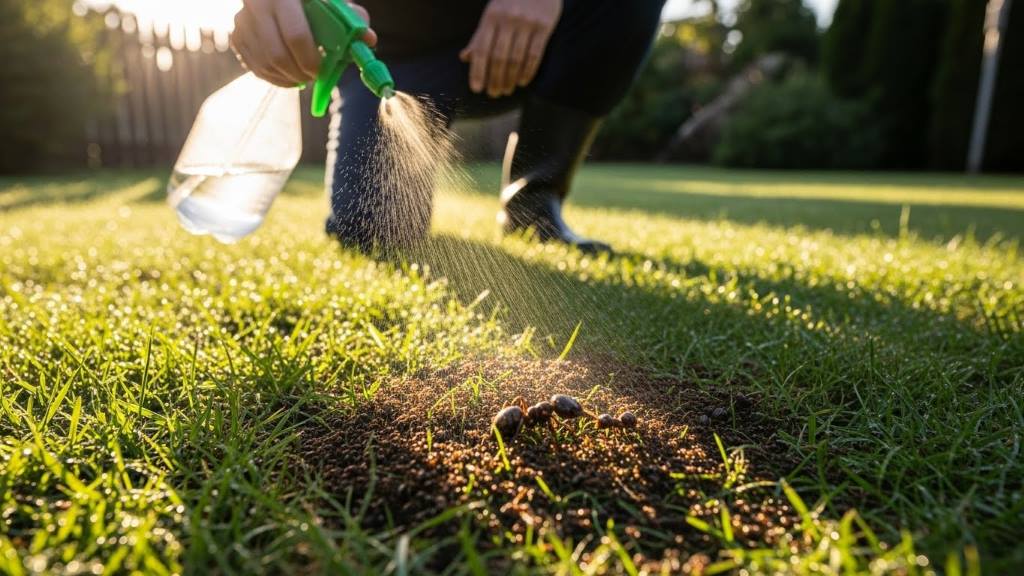
Spotting ants early saves your grass from major damage. Look for small piles of fine soil on the surface. These mounds signal active tunneling below. Grass around them may turn yellow or thin out. Additionally, you might notice ants swarming during the day.
Identifying Ant Hills and Tunnels
Ant hills vary by species. Some create volcano-shaped mounds with a central hole. Others form flat, scattered dirt piles. Probe gently with a stick to reveal hidden passages. If ants emerge defensively, confirm the infestation. For example, fire ants build larger structures in sunny areas.
Trails on the grass indicate foraging paths. Workers carry food bits back to the nest. Observe these lines to locate entry points. Moreover, uneven lawn surfaces from collapsed tunnels create trip hazards. Regular inspections catch issues before they spread.
Common Ant Species in Lawns
Field ants dominate many yards. They construct large nests in open spaces. Carpenter ants prefer wooded edges but sometimes invade turf. Meanwhile, pavement ants thrive in cracks near driveways. Each type tunnels differently, affecting soil structure uniquely.
Fire ants pose a bigger threat in southern regions. Their stings hurt, and mounds disrupt mowing. Research from Texas A&M University notes their aggressive spread. Thus, identifying the species guides your control approach.
Natural Ways to Stop Ants Tunneling
You prefer eco-friendly options for a safe yard. Natural methods disrupt ants without harming beneficial insects. Start with boiling water. Pour it directly into mound entrances. The heat kills ants inside. Repeat as needed for stubborn colonies.
Vinegar solutions work well too. Mix equal parts white vinegar and water. Spray it on trails and hills. The acid confuses their scent paths. Additionally, add dish soap for better sticking power. This method suffocates ants on contact.
Diatomaceous earth offers another choice. Sprinkle food-grade powder around affected areas. It dehydrates ants as they cross it. Reapply after rain for ongoing protection. For instance, gardeners report success in dry climates.
Using Essential Oils and Plants
Peppermint oil repels ants naturally. Dilute it with water and spray liberally. The strong scent overwhelms their senses. Similarly, citrus peels scattered near mounds deter them. Ants avoid acidic smells.
Plant companions like mint or tansy around the lawn. These herbs release odors ants dislike. Consequently, your yard becomes less inviting. Studies from Michigan State University support using such plants for pest management.
Homemade Baits for Ant Control
Create baits with borax and sugar. Mix them into a paste. Place it near tunnels. Workers carry it back, poisoning the colony. Monitor progress over days. This approach targets the queen effectively.
Cornmeal tricks ants too. They eat it but cannot digest it. Scatter it on mounds. Over time, the colony weakens. Therefore, combine methods for best results.
Chemical Methods for Ant Control
Sometimes natural ways fall short. Chemical solutions provide quick relief. Use ant baits first. They contain slow-acting poisons. Ants share them with the nest. Brands like those recommended by extension services work reliably.
Granular insecticides spread easily. Apply them over infested zones. Water activates the formula. It seeps into soil, targeting tunnels. Follow label instructions carefully.
The Two-Step Method for Severe Infestations
Broadcast baits across the lawn. This reduces overall ant numbers. Then, treat remaining mounds individually. Drenches soak deep into nests. Research from the Fire Ant Management Program shows this method cuts populations by 80-90 percent.
Choose products with low environmental impact. New formulations from 2025 studies focus on safety. For example, insect growth regulators stop reproduction without broad harm.
Safe Application Tips
Wear gloves during treatment. Avoid windy days to prevent drift. Keep pets and kids away until dry. Moreover, test a small area first. This ensures no grass damage occurs.
Preventive Strategies to Keep Ants Away
Prevention beats cure every time. Maintain a healthy lawn to discourage ants. Mow at three to four inches high. Tall grass shades soil, reducing appeal. Water deeply but infrequently. This promotes strong roots.
Aerate soil annually. It improves drainage and reduces compaction. Ants struggle in loose, healthy earth. Additionally, overseed bare spots quickly. Dense turf leaves no room for nests.
Soil and Mulch Management
Test soil pH regularly. Ants favor neutral to alkaline conditions. Adjust with lime if needed. Limit mulch to two inches deep. Thick layers retain moisture ants love.
Remove debris promptly. Fallen leaves or clippings provide food. Clean up attracts fewer pests. Consequently, your yard stays resilient.
Encouraging Natural Predators
Birds and beneficial insects eat ants. Install feeders to draw them. Avoid broad-spectrum chemicals. They kill helpers too. For instance, nematodes in soil target ant larvae naturally.
Recent research from the University of Massachusetts emphasizes biodiversity. Diverse ecosystems control pests better. Thus, foster a balanced yard.
When to Seek Professional Help
DIY efforts sometimes fail. Large infestations overwhelm homeowners. Professionals assess species accurately. They use advanced tools for thorough removal.
Call experts if stings occur frequently. Fire ants require specialized handling. Moreover, recurring problems signal underlying issues. Pros fix them long-term.
Related:
How to Build a Water-Wise Garden with Rain Barrels and Drip Irrigation Systems
Transform Your Front Yard into a Vibrant Vegetable Garden – A Canadian Guide
Conclusion
Stopping ants from tunneling in lawn soil involves understanding their habits and acting decisively. Identify signs early, try natural remedies, or use chemicals wisely. Prevent issues with proper lawn care. Your yard can thrive ant-free. Start inspecting your lawn today and apply these tips for lasting results.
FAQs
What Causes Ants to Tunnel in My Lawn?
Ants tunnel to build nests and find food. Dry, sandy soils attract them most. Poor lawn health worsens the problem.
Are Ant Tunnels Harmful to Grass?
Yes, tunnels weaken roots and cause uneven watering. They lead to bare patches over time.
How Effective Are Natural Ant Repellents?
Natural methods like vinegar or oils deter ants well for mild cases. Combine them for better success.
Can I Prevent Ants Without Chemicals?
Absolutely, maintain tall grass and aerate soil. Encourage predators to keep populations low.
When Should I Worry About Ant Hills?
Worry if mounds multiply or ants sting. Seek help for aggressive species.
References
- Penn State Extension: Ants in Home Lawns – https://extension.psu.edu/ants-in-home-lawns/
- University of Massachusetts: Ants in Lawns – https://www.umass.edu/agriculture-food-environment/sites/ag.umass.edu/files/fact-sheets/pdf/ants_in_lawns.pdf
- Texas A&M University: Managing Imported Fire Ants – https://fireant.tamu.edu/manage/site/
- University of Florida: Sustainable Fire Ant Control – https://sfyl.ifas.ufl.edu/lawn-and-garden/sustainable-fire-ant-control/