In an age where climate change and water scarcity are reshaping how we live, gardening isn’t just a hobby—it’s a responsibility. Building a water-wise garden using rain barrels and drip irrigation systems is one of the smartest, most sustainable moves a homeowner can make. Not only does it conserve water, but it also nurtures healthier plants and slashes your utility bills.
Why Water-Wise Gardening Matters
Water-wise gardening is more than a trend—it’s a necessity. According to the EPA, outdoor irrigation accounts for nearly 30% of household water use in the U.S., and much of it is wasted due to inefficient systems. With droughts becoming more frequent and municipal water costs rising, homeowners are turning to smarter solutions.
Rain barrels and drip irrigation systems offer a powerful combination. Rainwater harvesting reduces dependency on treated water, while drip irrigation delivers moisture directly to plant roots, minimizing evaporation and runoff.

The Power of Rain Barrels
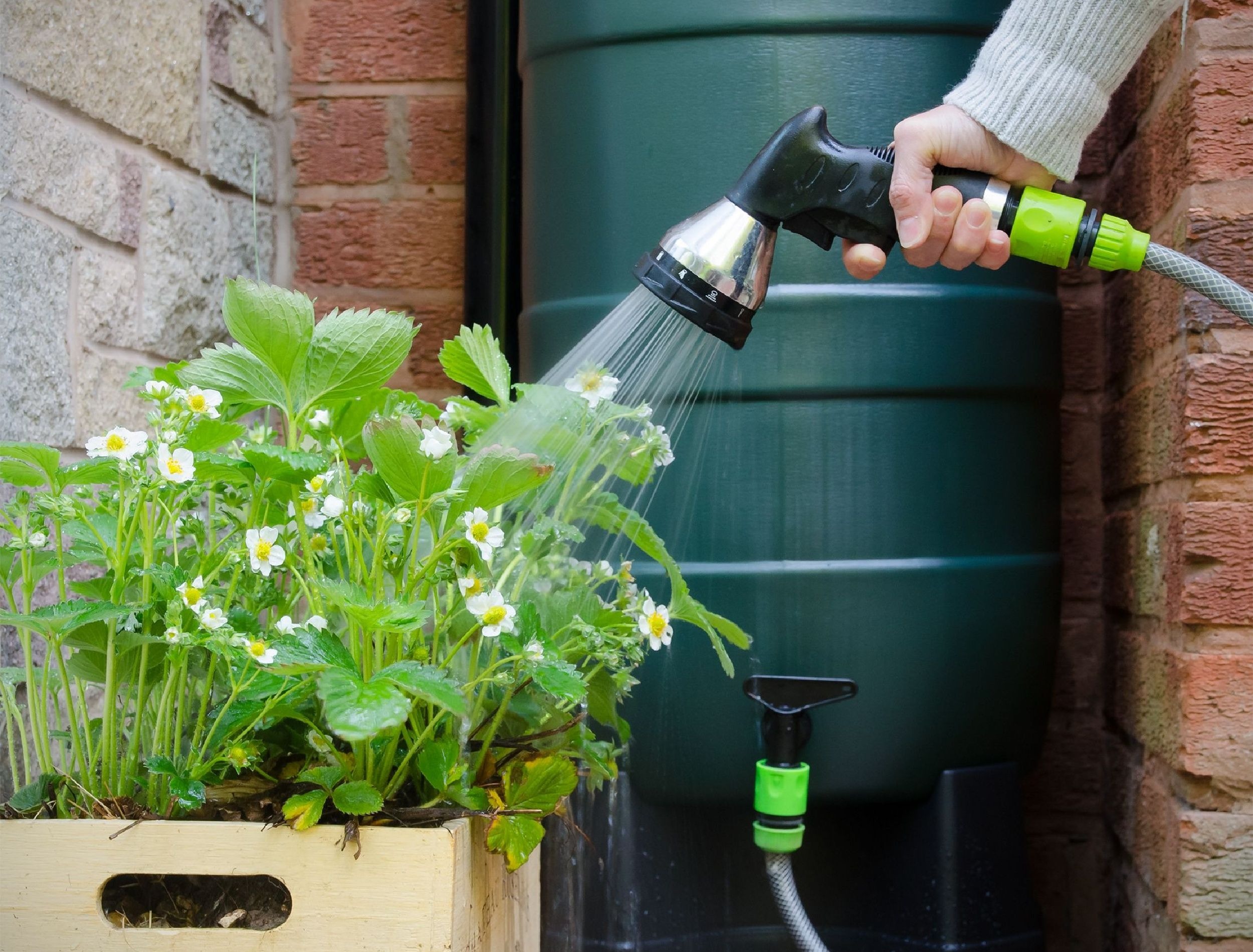
Rain barrels are simple yet transformative. They collect runoff from rooftops, storing it for later use in your garden. This method can save up to 1,300 gallons of water per year for every 1,000 square feet of roof surface, according to the National Wildlife Federation.
Benefits include:
- Lower water bills: You’re using free water from the sky.
- Healthier plants: Rainwater is free of chlorine and fluoride.
- Reduced runoff: Prevents erosion and flooding in your yard.
Installing a rain barrel is straightforward. Position it beneath a downspout, add a diverter to control overflow, and connect a spigot or hose for easy access. For best results, elevate the barrel to increase water pressure and improve flow into your irrigation system.
Why Drip Irrigation Is a Game-Changer
Drip irrigation systems are designed to deliver water directly to the base of plants. This method reduces water waste by up to 60% compared to traditional sprinklers, according to the University of California Agriculture and Natural Resources.
Advantages include:
- Efficient water use: No overspray or evaporation.
- Healthier soil: Maintains moisture without waterlogging.
- Fewer weeds: Water goes only where needed.
Drip systems consist of tubing, emitters, and connectors. You can customize the layout to suit your garden’s needs, whether it’s raised beds, containers, or flower borders. Timers and filters can be added for automation and maintenance.
How to Combine Rain Barrels with Drip Irrigation
Pairing rain barrels with drip irrigation creates a self-sufficient watering system. However, it requires thoughtful setup due to pressure differences. Rain barrels typically produce 0–2 PSI, while drip systems operate best at 12–20 PSI. Gravity-fed systems solve this by placing barrels higher than the garden beds.
Steps to build your system:
- Install rain barrels under downspouts with diverters.
- Elevate barrels on sturdy platforms for gravity flow.
- Connect drip tubing to the barrel’s spigot using a filter.
- Punch emitter holes every 12–24 inches along the tubing.
- Add a timer for consistent watering.
For larger gardens, consider linking multiple barrels or using a solar-powered pump to boost pressure. This setup ensures even distribution across zones.
Real-World Impact and Incentives
Cities across the U.S. offer rebates for rainwater harvesting systems. In Austin, Texas, residents can receive up to $500 for installing rain barrels. These incentives reflect growing awareness of water conservation’s importance.
Additionally, rainwater is naturally acidic and rich in nitrates, promoting vibrant plant growth. Unlike tap water, it doesn’t contain salts or chemicals that degrade soil quality over time.
Common Challenges and Solutions
While the benefits are clear, some challenges exist:
- Low pressure: Elevate barrels or use pumps.
- Clogged emitters: Install filters and clean regularly.
- Algae growth: Use opaque barrels and keep lids sealed.
Maintenance is minimal but essential. Check connections monthly, flush lines seasonally, and inspect for leaks or blockages.
🌿 Featured Snippet: How to Build a Water-Wise Garden with Rain Barrels and Drip Irrigation Systems
To build a water-wise garden, start by installing rain barrels beneath your roof’s downspouts. Elevate them to allow gravity-fed flow. Connect drip irrigation tubing to the barrel’s spigot, using filters to prevent clogging. Punch holes in the tubing near plant roots and add a timer for consistent watering. This system conserves water, reduces runoff, and promotes healthier plant growth. It’s ideal for drought-prone areas and can save hundreds of gallons annually. For larger gardens, consider linking multiple barrels or using a solar pump to boost pressure. This eco-friendly setup is cost-effective and easy to maintain.
💡 FAQs
Can I use rain barrels during winter?
Yes, but you must winterize them. Drain and disconnect barrels to prevent freezing and cracking.
How much water can a rain barrel hold?
Most hold 50–100 gallons. Larger systems can be linked for increased capacity.
Is rainwater safe for vegetables?
Absolutely. It’s free of harmful chemicals and ideal for edible plants.
Do drip systems work with sloped gardens?
Yes, but you’ll need pressure regulators and check valves to ensure even distribution.
How often should I clean my system?
Clean filters monthly and flush lines every season to prevent buildup.
Can I automate the system?
Yes. Timers and moisture sensors can automate watering based on soil needs.
What plants benefit most from drip irrigation?
Vegetables, herbs, and perennials thrive with targeted watering.
Final Thought
Building a water-wise garden isn’t just smart—it’s essential. With rain barrels and drip irrigation, you’re investing in sustainability, saving money, and creating a thriving ecosystem in your backyard. Whether you’re a seasoned gardener or a curious beginner, this system empowers you to take control of your water use and make a real impact.
Ready to transform your garden into a water-saving paradise? Start small, stay consistent, and let nature do the rest. 🌱
Read More Also: Front Yard into a Vibrant Vegetable Garden
Sources:
- BlueBarrel Systems – Gravity Irrigation Guide
- Tools Advisers – DIY Rain Barrel Drip System
- EPA WaterSense Program
Let’s make every drop count.