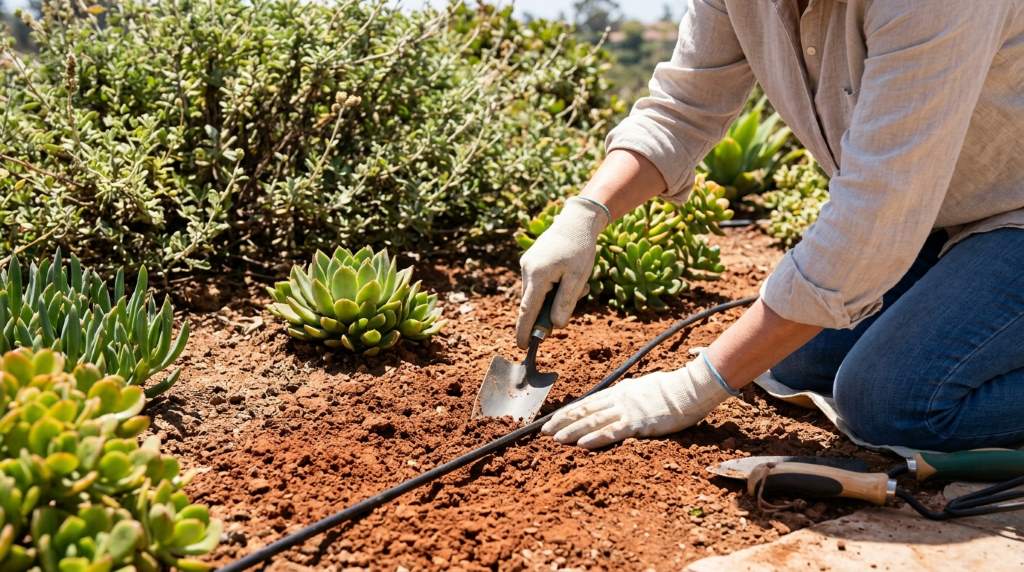
Picture this: your neighbors drive by, their eyes widening at your stunning front yard transformation. Where once sat a bland grass lawn now thrives a magnificent vegetable garden that feeds your family year-round. This dream becomes reality for thousands of Canadian homeowners who discover the incredible potential hiding beneath their traditional landscapes.
Why Front Yard Vegetable Gardens Are Taking Canada by Storm
Canadian homeowners increasingly embrace front yard vegetable gardening as food prices soar nationwide. Statistics Canada reports grocery costs increased 11.4% in 2022, making homegrown produce incredibly attractive. Additionally, front yards typically receive optimal sunlight exposure compared to shadier backyards.
The movement gains momentum as municipalities across Canada revise bylaws supporting edible landscaping. Vancouver, Toronto, and Calgary now permit front yard vegetable gardens under specific guidelines. However, checking local regulations remains essential before breaking ground on your project.
Understanding Canada’s Unique Growing Challenges
Canada’s diverse climate zones demand strategic planning for successful front yard vegetable gardens. The country spans hardiness zones 0 through 9, creating vastly different growing conditions. Therefore, selecting appropriate vegetables for your specific region determines garden success.
Northern regions face shorter growing seasons, requiring cold-hardy varieties and season extension techniques. Conversely, southern areas enjoy longer seasons but battle intense summer heat. Understanding your microclimate helps optimize plant selection and timing decisions.
Soil conditions vary dramatically across Canadian provinces, from prairie clay to maritime sandy loam. Conducting soil tests reveals pH levels, nutrient deficiencies, and drainage capabilities crucial for garden planning. Most vegetables thrive in slightly acidic to neutral soil ranging from 6.0 to 7.0 pH.
Design Principles for Stunning Front Yard Vegetable Gardens
Creating an attractive front yard vegetable garden requires balancing aesthetics with functionality. Successful designs incorporate ornamental elements alongside productive plants, maintaining neighborhood appeal while maximizing harvest potential.
Raised beds offer numerous advantages for front yard installations, including improved drainage and soil quality control. They create defined garden spaces, prevent soil compaction, and enable easier maintenance access. Furthermore, raised beds warm faster in spring, extending growing seasons naturally.
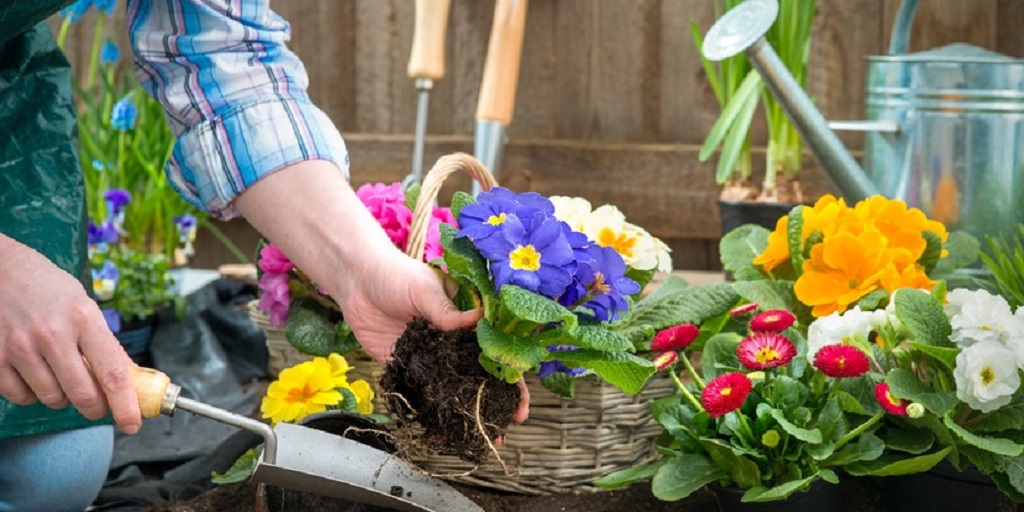
Companion planting strategies enhance both beauty and productivity in front yard spaces. Interplanting colorful vegetables like rainbow chard with herbs creates visually stunning combinations. Marigolds provide pest control while adding vibrant blooms throughout the season.
Vertical growing techniques maximize production in limited front yard spaces. Trellises support climbing beans and peas while creating attractive green walls. Additionally, tower gardens and hanging baskets accommodate trailing plants like cherry tomatoes and cucumbers.
Plant Selection for Canadian Front Yards

Choosing appropriate vegetables ensures successful harvests despite Canada’s challenging climate conditions. Cool-season crops like lettuce, spinach, and radishes tolerate frost, extending harvest periods significantly. These vegetables often produce better quality in cooler temperatures than warm climates.
Heat-loving plants require careful timing and protection in most Canadian zones. Tomatoes, peppers, and eggplants need warm soil and consistent temperatures above 15°C. Starting these plants indoors 6-8 weeks before transplanting maximizes growing potential.
Root vegetables excel in Canadian front yard gardens, storing well for winter consumption. Carrots, beets, and turnips develop excellent flavor after light frosts. Moreover, their attractive foliage adds ornamental value throughout the growing season.
Hardy perennial vegetables provide long-term garden structure and reliable annual harvests. Asparagus, rhubarb, and perennial onions establish productive systems requiring minimal annual replanting. However, these plants need dedicated permanent spaces within garden designs.
Seasonal Planning and Succession Planting
Maximizing front yard vegetable garden productivity requires strategic seasonal planning and succession planting techniques. Starting seeds indoors extends growing seasons by 4-6 weeks in most Canadian regions. This approach proves especially valuable for heat-loving crops requiring longer maturation periods.
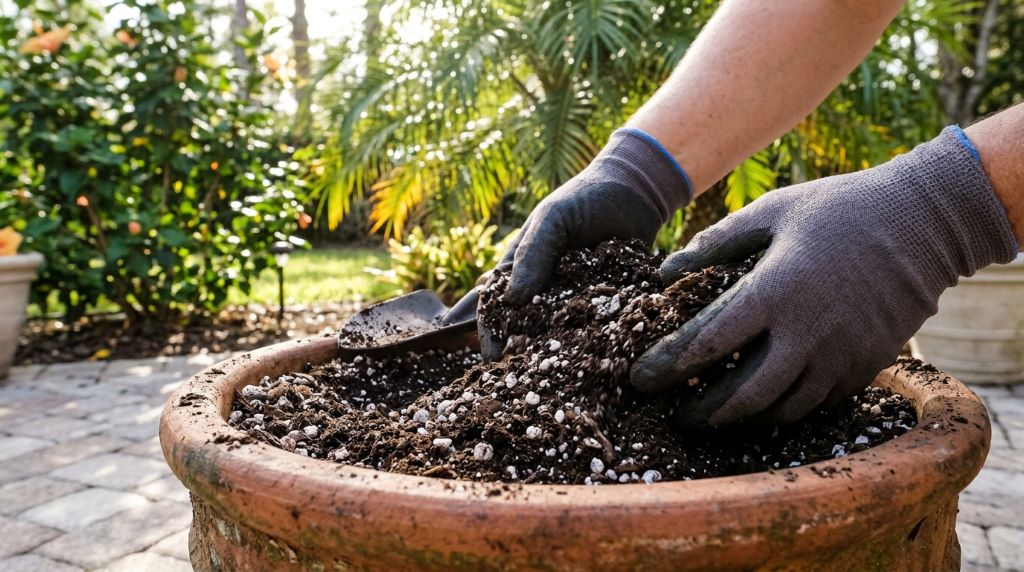
Spring preparation begins with soil testing and amendment applications based on results. Adding compost improves soil structure while providing essential nutrients for vigorous plant growth. Therefore, preparing beds in fall allows organic matter to decompose properly before spring planting.
Succession planting maintains continuous harvests throughout growing seasons rather than overwhelming abundance periods. Planting lettuce every two weeks ensures fresh salads from May through October. Similarly, staggered bean plantings provide steady harvests for preserving or fresh consumption.
Fall gardening opportunities often surprise novice Canadian gardeners with unexpected productivity potential. Many vegetables actually prefer cooler autumn conditions, producing sweeter flavors after light frosts. Crops like Brussels sprouts, kale, and carrots reach peak quality during fall months.
Water Management and Irrigation Systems
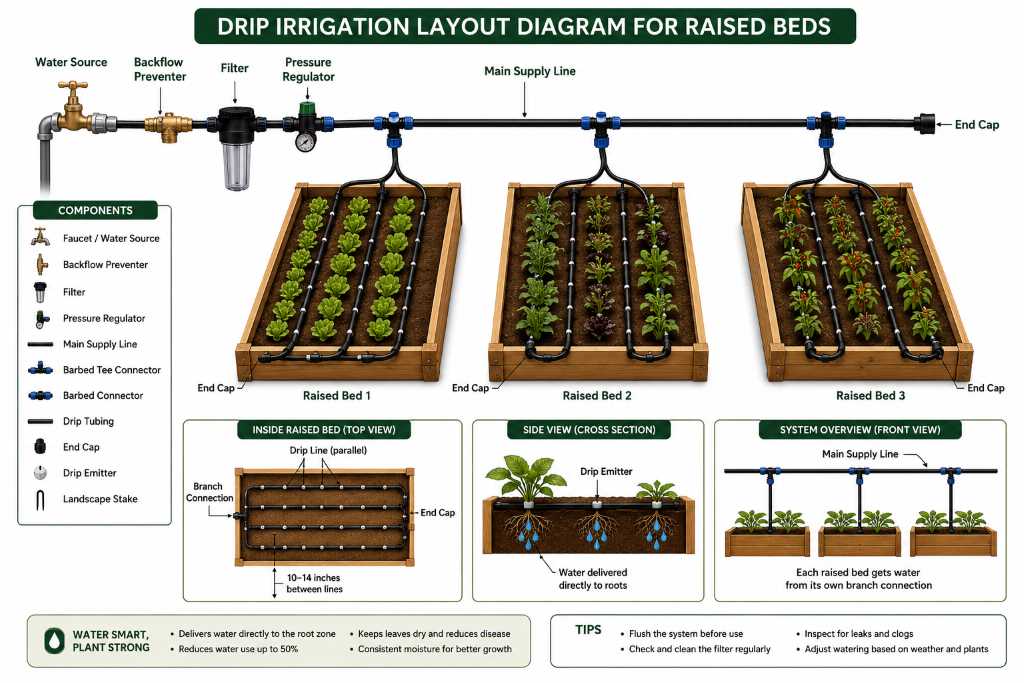
Efficient water management becomes crucial for front yard vegetable garden success, especially during Canada’s variable weather patterns. Drip irrigation systems provide consistent moisture while conserving water resources effectively. These systems reduce disease pressure by keeping foliage dry during watering cycles.
Mulching strategies significantly reduce watering requirements while improving soil health and weed suppression. Organic mulches like straw or shredded leaves decompose gradually, adding nutrients to soil systems. Additionally, mulch moderates soil temperatures, protecting roots during temperature fluctuations.
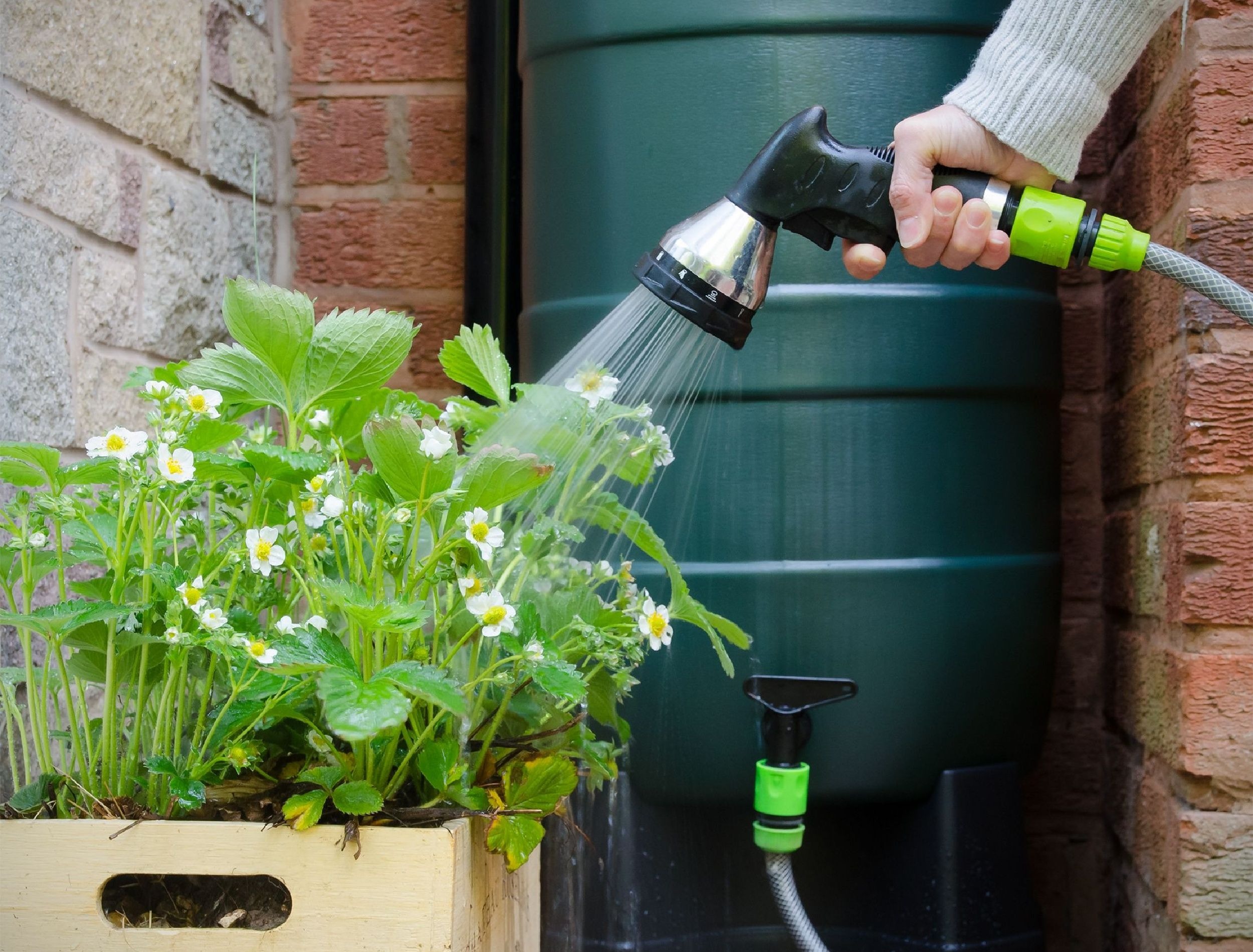
Rain barrel systems capture natural precipitation for garden irrigation, reducing municipal water usage and costs. Many Canadian municipalities offer rebates for rain barrel installations, making this sustainable practice financially attractive. However, proper positioning and maintenance prevent mosquito breeding concerns.
Pest and Disease Management in Canadian Climates
Integrated pest management approaches prove most effective for front yard vegetable gardens, combining prevention with targeted treatments. Crop rotation prevents soil-borne disease buildup while disrupting pest life cycles naturally. This practice requires planning garden layouts years in advance for maximum effectiveness.
Beneficial insects provide natural pest control when gardens include appropriate habitat and food sources. Native flowering plants attract predatory insects that control common garden pests effectively. Furthermore, avoiding broad-spectrum pesticides preserves beneficial insect populations essential for garden balance.
Physical barriers protect vulnerable plants from common Canadian garden pests like cutworms and flea beetles. Row covers create microclimates while excluding flying insects during critical growth periods. Additionally, copper tape deters slugs and snails without chemical applications.
Extending Growing Seasons with Season Extension Techniques
Season extension techniques enable Canadian gardeners to harvest fresh vegetables well beyond traditional growing seasons. Cold frames capture solar energy, creating protected microclimates for cool-season crops. These simple structures can extend harvests 4-6 weeks into winter months.
Low tunnels constructed with hoops and clear plastic sheeting protect plants from frost damage while maintaining adequate ventilation. This technique proves especially valuable for transitional seasons when temperatures fluctuate dramatically. However, proper ventilation prevents overheating during warm days.
Greenhouse structures offer ultimate season extension capabilities but require significant investment and maintenance. Small hobby greenhouses enable year-round production of leafy greens and herbs in most Canadian climates. Therefore, evaluating cost-benefit ratios helps determine appropriate investment levels.
Community Building Through Front Yard Gardens
Front yard vegetable gardens create natural conversation starters, building stronger neighborhood connections across Canadian communities. Sharing surplus produce with neighbors fosters goodwill while reducing food waste effectively. These interactions often lead to seed swaps and gardening knowledge exchanges.
Educational opportunities arise naturally when children observe vegetable gardens daily during neighborhood walks. Many gardeners report increased interest from local schools seeking outdoor classroom experiences. Additionally, demonstration gardens inspire other homeowners to consider similar sustainable landscaping choices.
Social media communities connect front yard gardeners across Canada, sharing regional growing tips and success stories. These online networks provide valuable support systems for novice gardeners facing unique challenges. Furthermore, virtual garden tours inspire creative design solutions for various property types.
Featured Snippet: Quick Start Guide
How do you start a front yard vegetable garden in Canada?
Starting a front yard vegetable garden in Canada requires five essential steps. First, check municipal bylaws regarding front yard food production regulations. Second, assess your site’s sunlight exposure, aiming for 6-8 hours daily. Third, test soil pH and drainage capabilities through professional analysis. Fourth, design raised beds or defined planting areas that complement your home’s architecture. Fifth, select cold-hardy vegetables appropriate for your hardiness zone. Begin with easy crops like lettuce, radishes, and herbs for guaranteed success. Plan your garden layout on paper before purchasing materials, considering mature plant sizes and companion planting opportunities. Start small during your first season, expanding gradually as you gain experience and confidence in your gardening abilities.
Frequently Asked Questions
Q: Do I need permission to grow vegetables in my front yard in Canada?
A: Most Canadian municipalities allow front yard vegetable gardens, but regulations vary significantly. Contact your local planning department to understand height restrictions, setback requirements, and approved plant types before starting your garden project.
Q: What vegetables grow best in Canadian front yard conditions?
A: Cool-season vegetables like lettuce, spinach, kale, and radishes thrive in Canadian climates. Root vegetables including carrots, beets, and turnips also perform exceptionally well. Choose varieties specifically bred for shorter growing seasons and cold tolerance.
Q: How much does it cost to create a front yard vegetable garden?
A: Initial setup costs range from $200-800 depending on garden size and materials chosen. Raised beds, quality soil, and basic tools represent primary expenses. However, annual savings on grocery bills typically offset initial investments within 2-3 growing seasons.
Q: When should I start my front yard garden in Canada?
A: Timing depends on your specific hardiness zone and local frost dates. Generally, cool-season crops can be planted 2-4 weeks before the last frost date. Start warm-season plants indoors 6-8 weeks before transplanting after soil temperatures reach 15°C consistently.
Q: How do I deal with curious neighbors and potential theft?
A: Most neighbors respond positively to front yard gardens, often asking questions and offering compliments. Address concerns through friendly conversation and sharing surplus produce. For theft prevention, consider motion-sensor lighting and community watch participation.
Q: What maintenance does a front yard vegetable garden require?
A: Daily watering during dry periods, weekly weeding, and regular harvesting maintain garden health. Monthly soil amendments and seasonal crop rotation planning ensure long-term productivity. Budget 30-60 minutes daily during peak growing season for maintenance activities.
Q: Can front yard vegetable gardens increase property values?
A: Well-designed edible landscapes often increase property appeal to environmentally conscious buyers. However, some buyers prefer traditional lawns, making impact variable. Focus on attractive design elements that could easily convert back to ornamental landscaping if needed.
Related Topic: The Rise of Vertical Gardens
Final Thoughts
Transforming your front yard into a vibrant vegetable garden represents more than just growing food—it’s about embracing sustainable living while creating meaningful connections with nature and community. Canadian homeowners who take this leap discover unexpected joys in daily garden rituals, from morning harvest walks to evening watering sessions that provide peaceful moments in busy schedules.
The journey requires patience, learning, and occasional failures, but the rewards extend far beyond fresh produce on your table. You’ll develop deeper appreciation for seasonal rhythms, weather patterns, and the incredible resilience of plants adapted to Canadian conditions. Moreover, your garden becomes a living classroom where family members learn valuable lessons about responsibility, patience, and environmental stewardship.
Ready to transform your front yard into a productive paradise? Start by sketching your dream garden layout today, then visit your local garden center to explore plant varieties suited for your region. Join online Canadian gardening communities for ongoing support and inspiration. Your neighbors will thank you, your wallet will benefit, and your dinner table will never be the same. Take that first step—your future self will be grateful you did.