Container gardening has become increasingly popular across Orlando, especially as more homeowners look for colorful outdoor spaces without maintaining large flower beds. According to gardening industry reports, container gardening remains one of the fastest-growing gardening trends in the United States. Florida gardeners also face unique challenges because of intense heat, humidity, and seasonal rainfall. Fortunately, many local gardeners have discovered natural ways to extend flower production and keep containers vibrant for months. Many even support healthy growth with products like sta green flower fertilizer while focusing on sustainable gardening methods that encourage continuous blooming.
Understanding Orlando’s Unique Growing Conditions
Orlando’s climate offers long growing seasons that many gardeners across the country envy. However, the combination of high temperatures and frequent rain can stress flowering plants. Excess moisture sometimes encourages fungal problems and weak root systems. Therefore, successful gardeners adjust their care routines according to seasonal weather patterns.
Most container flowers thrive when gardeners balance sunlight exposure with adequate moisture levels. Summer temperatures often exceed what some flowering varieties prefer. As a result, containers can dry out faster than traditional garden beds. Smart gardeners monitor plants daily and respond quickly to changing conditions.
Choose the Right Flower Varieties for Containers
Selecting suitable flowers remains one of the most important steps for longer-lasting blooms. Heat-tolerant plants naturally perform better in Orlando’s climate. Furthermore, native and adapted species often require less maintenance throughout the season. Choosing resilient varieties reduces stress and encourages continuous flowering.
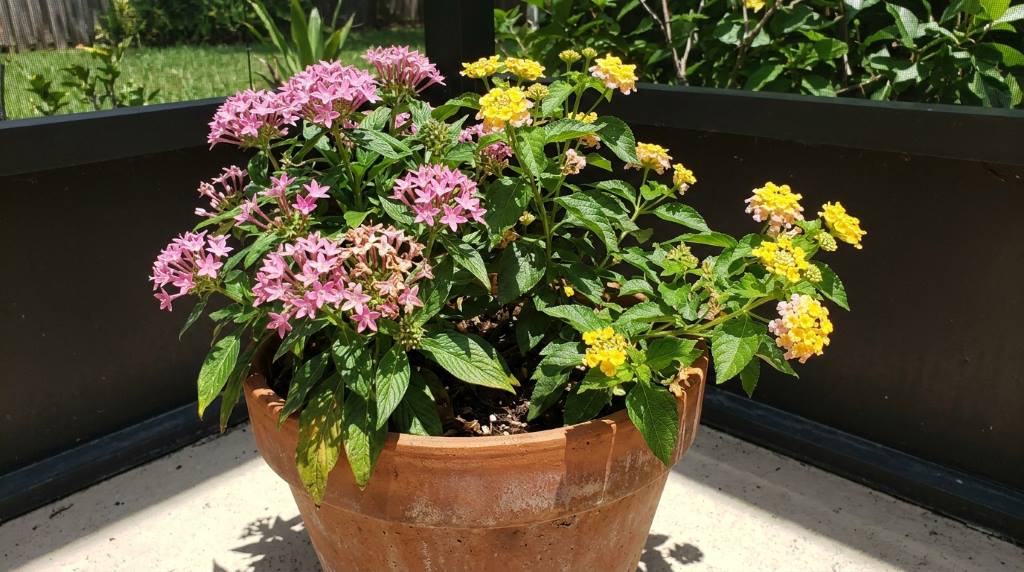
Popular container flowers for Orlando include pentas, lantana, vinca, calibrachoa, and angelonia. These plants handle high temperatures exceptionally well. Additionally, they continue producing flowers even during challenging weather conditions. Their durability helps maintain vibrant containers for extended periods.
Best Natural Blooming Plants for Orlando Containers
- Pentas for attracting butterflies
- Vinca for heat resistance
- Angelonia for continuous flowering
- Lantana for drought tolerance
- Calibrachoa for cascading color
- Salvia for pollinator support
Start with High-Quality Potting Mix
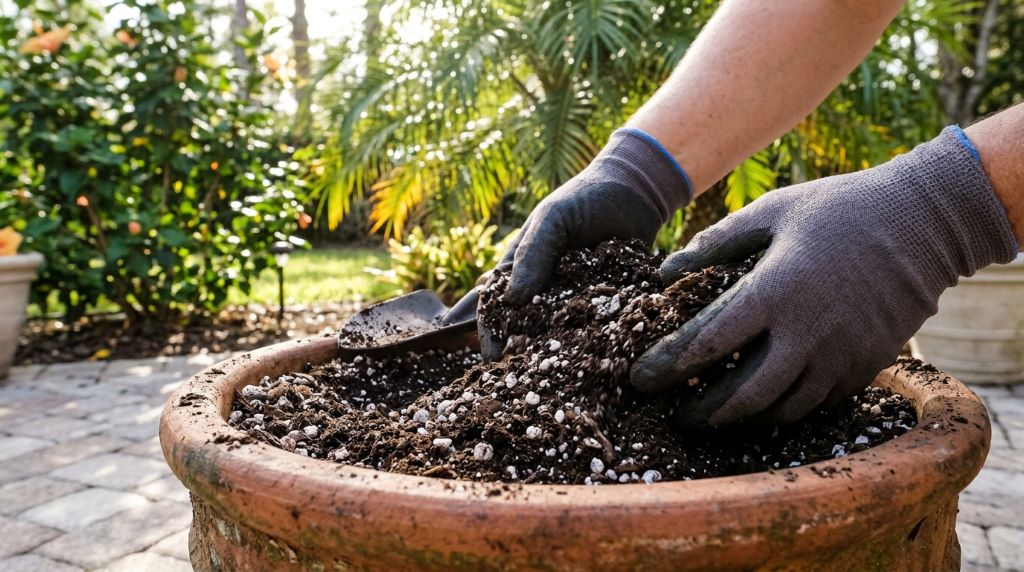
Healthy blooms begin below the soil surface. Gardeners who use premium potting mixes create stronger foundations for flowering plants. Unlike garden soil, quality potting mixes offer proper drainage and aeration. Consequently, roots remain healthy and capable of supporting continuous bloom production.
Many experienced Orlando gardeners enhance potting mixes with compost and organic matter. This practice improves moisture retention while maintaining adequate drainage. Moreover, beneficial microorganisms help plants absorb nutrients more efficiently. Strong root systems directly support longer flowering periods.
Use Natural Feeding Methods Consistently
Flowers require regular nutrition to sustain ongoing bloom production. Organic fertilizers release nutrients slowly and support steady plant growth. Therefore, many gardeners avoid heavy applications of synthetic products. Instead, they rely on natural feeding schedules throughout the growing season.
Compost tea remains a favorite option among experienced container gardeners. It delivers essential nutrients while improving soil biology. Additionally, it supports beneficial microbial activity around plant roots. Healthy soil ecosystems often result in stronger flowering performance.
Many gardeners also follow proven strategies found in everyday garden growth tips that emphasize consistent care rather than excessive fertilization. Small improvements often create significant results over time. Furthermore, plants respond well to balanced nutrient availability. Sustainable feeding promotes long-term flower production.
Practice Strategic Watering Techniques
Proper watering directly influences flowering performance in containers. Overwatering can damage roots and reduce bloom production. Meanwhile, underwatering causes stress that limits flower development. Therefore, gardeners focus on maintaining consistent moisture levels.
Early morning watering works best in Orlando’s climate. Plants absorb moisture before temperatures rise significantly. Additionally, foliage dries quickly, reducing disease risks. This simple adjustment often improves overall flower health throughout the season.
A useful technique involves checking soil moisture several inches below the surface. Many gardeners rely solely on surface appearance, which can be misleading. However, deeper inspection provides a more accurate understanding of root zone conditions. Better moisture management encourages longer-lasting blooms.
The Power of Deadheading and Flower Maintenance
Deadheading remains one of the most effective natural methods for extending bloom cycles. Removing spent flowers prevents plants from directing energy toward seed production. Instead, plants continue generating new buds and blossoms. This practice significantly increases flowering duration.
Gardeners should inspect containers every few days during peak growing periods. Regular maintenance keeps plants attractive and productive. Furthermore, removing damaged leaves improves airflow around stems and flowers. Better circulation reduces disease pressure and supports healthy growth.
Encourage Pollinator Activity Naturally
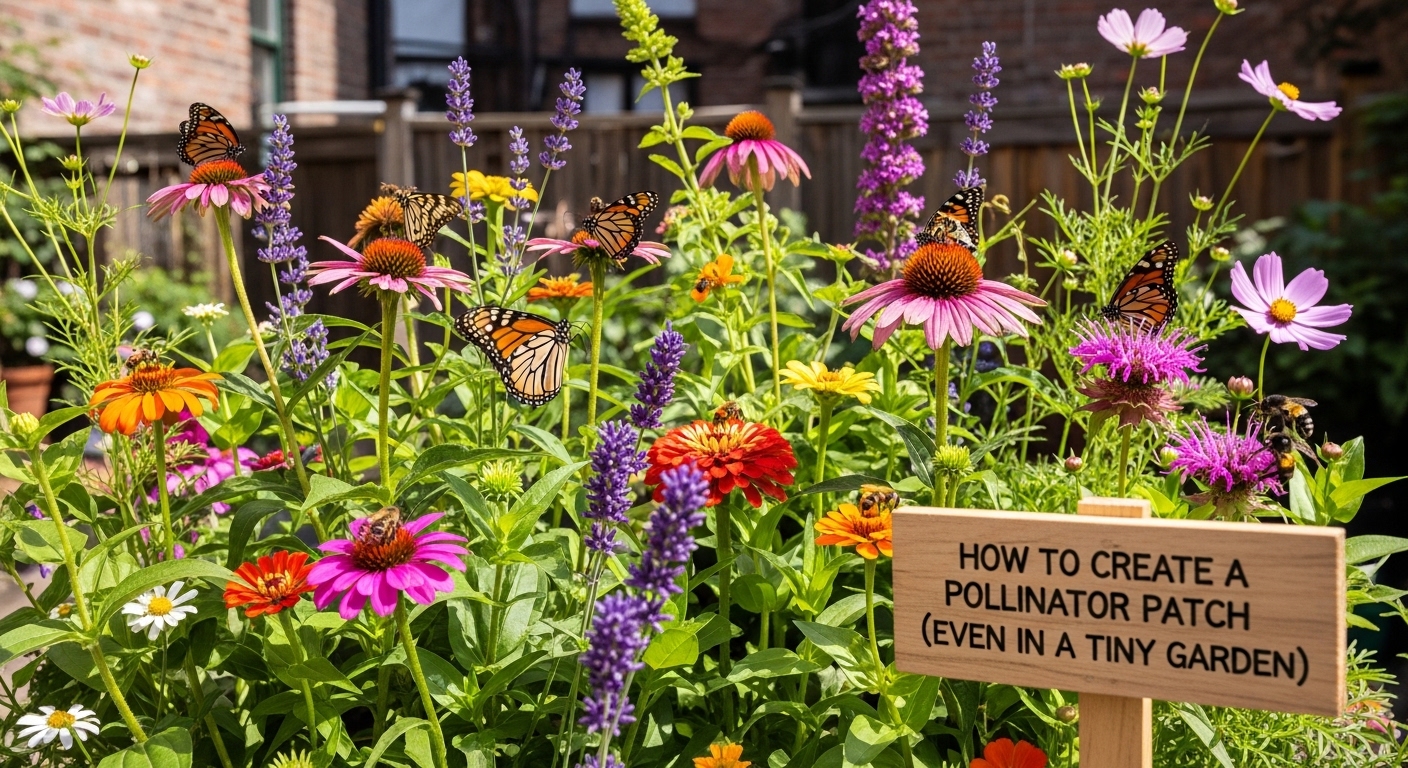
Pollinators play an important role in maintaining healthy flowering gardens. Butterflies, bees, and beneficial insects contribute to stronger plant ecosystems. Therefore, many Orlando gardeners actively encourage pollinator visits. Their efforts often lead to healthier and more vibrant container displays.
Small spaces can still support beneficial insects effectively. Many gardeners gain inspiration from guides on how to create pollinator patch areas near containers. These spaces provide valuable food sources and shelter. As a result, pollinator populations remain active throughout the season.
Protect Containers from Extreme Afternoon Heat
Orlando summers can create intense afternoon conditions for container plants. Dark-colored pots absorb significant heat during peak sunlight hours. Consequently, root temperatures sometimes reach stressful levels. Excessive heat often reduces flower production.
Many gardeners position containers where they receive morning sun and light afternoon shade. This approach balances flowering requirements with heat protection. Additionally, grouping containers together creates cooler microclimates. Plants often perform better under these moderated conditions.
Mulching container surfaces also provides valuable temperature regulation. Organic mulch reduces moisture evaporation and protects roots. Furthermore, it helps maintain more stable soil temperatures. Consistent conditions support continuous blooming.
An Uncommon Yet Effective Technique: Root Zone Cooling
One lesser-known strategy used by experienced Orlando gardeners involves natural root zone cooling. This method focuses on protecting root systems from excessive summer heat. While many gardeners concentrate on foliage, roots often determine overall plant performance. Cooler roots frequently result in longer bloom periods.
Gardeners achieve this by placing decorative outer pots around primary containers. The air gap between pots acts as insulation against heat. Additionally, some gardeners use living mulch plants to shade soil surfaces naturally. These simple adjustments create surprisingly effective temperature control.
This technique remains underutilized despite its proven benefits. Root systems experience less stress during prolonged heat waves. Consequently, flowering plants maintain stronger growth and produce blooms longer into the season. Many gardeners report noticeable improvements after adopting this practice.
Rotate Containers for Balanced Growth
Sunlight exposure often varies across patios, balconies, and porches. Consequently, one side of a container may receive more light than another. Uneven exposure sometimes causes lopsided growth patterns. Balanced growth supports healthier flowering plants.
Experienced gardeners rotate containers regularly throughout the season. This simple habit promotes symmetrical development and stronger stems. Furthermore, all sides of the plant receive adequate sunlight over time. Better structure often leads to increased bloom production.
Create Continuous Color with Seasonal Planning
Successful gardeners think beyond a single flowering season. They select plants with staggered bloom times to maintain visual interest. Therefore, containers remain colorful for longer periods. Strategic planning ensures ongoing floral displays.
Many gardeners use ideas from guides that explain how to plan cottage garden flowers for continuous seasonal color. Combining early, mid-season, and late bloomers creates dynamic arrangements. Additionally, this approach minimizes periods without flowers. The result is a constantly evolving display.
Monitor for Pests Using Natural Solutions
Pests can quickly reduce flowering performance if left unchecked. Aphids, spider mites, and whiteflies commonly affect container plants in Florida. Therefore, gardeners inspect plants regularly for signs of infestation. Early detection prevents serious damage.
Natural solutions often provide effective control without harming beneficial insects. Neem oil, insecticidal soap, and strong water sprays remain popular choices. Additionally, healthy plants naturally resist many pest problems. Consistent monitoring supports long-term flowering success.
Conclusion
Keeping container flowers blooming longer naturally in Orlando requires a combination of smart plant selection, proper watering, organic feeding, and regular maintenance. Gardeners who understand local climate conditions can create stunning displays that last throughout the growing season. Furthermore, simple practices such as deadheading, pollinator support, root zone cooling, and seasonal planning significantly improve results. Start applying these natural techniques today and transform your containers into colorful, thriving focal points that bloom beautifully for months.
FAQs
How often should I water container flowers in Orlando?
Most container flowers need watering once daily during hot summer weather.
What is the best natural fertilizer for container flowers?
Compost tea and organic slow-release fertilizers work very well for sustained blooming.
Which flowers bloom the longest in Orlando containers?
Pentas, vinca, angelonia, and lantana typically provide long-lasting blooms.
Does deadheading really increase flower production?
Yes, removing spent blooms encourages plants to produce more flowers instead of seeds.
Can pollinators help container gardens?
Yes, pollinators support healthier plant ecosystems and often improve garden vitality.