Starting a garden at home is one of the most rewarding things you can do. It brings you closer to nature. It also gives you fresh produce, beautiful flowers, or a peaceful green space to enjoy. However, many beginners feel overwhelmed when they first start. They are not sure what tools they need or where to begin. The good news is that getting started does not have to be complicated or expensive.
This guide will walk you through everything you need to know. You will learn how to put together a solid starter garden tools set and build a home garden kit that works for your space and budget. Whether you have a large backyard or a small balcony, the right tools make all the difference.
Why the Right Tools Matter for Beginners
Many new gardeners make the same mistake. They either buy too many tools at once or they skip essential ones. Both choices lead to frustration. Therefore, understanding what you actually need before you shop saves you time and money.
The right tools make gardening easier and more enjoyable. They help you work efficiently. They also protect your plants and your body. Using the wrong tool for a job can damage roots, compact soil, or even injure you. Additionally, quality tools last longer and perform better than cheap alternatives.
Think of your tools as an investment. You do not need to buy everything at once. However, starting with the basics sets a strong foundation for your gardening journey.
Essential Tools Every Beginner Needs
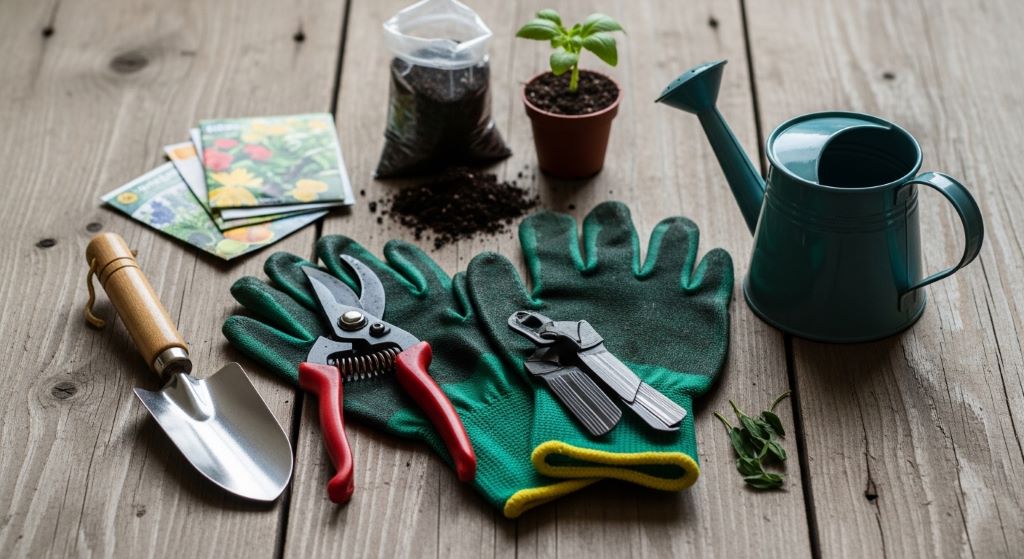
Let us look at the core items you should include in your beginner setup. These are the tools that get the most use. They cover the most common gardening tasks you will face as a new gardener.
A Good Trowel
A hand trowel is perhaps the most used tool in any garden. It helps you dig small holes for planting seedlings. It also works well for moving soil, mixing in compost, and removing weeds. Look for one with a sturdy stainless steel blade and a comfortable grip. Ergonomic handles reduce strain on your wrist during long sessions.
Pruning Shears
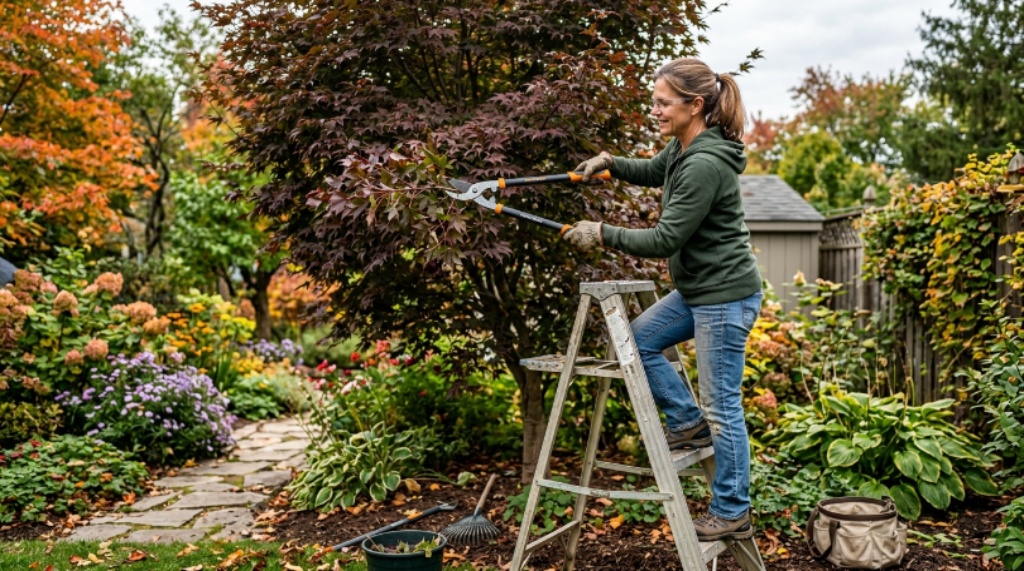
Pruning shears, also called secateurs, are vital for keeping your plants healthy. You will use them to cut back overgrown branches, deadhead flowers, and harvest vegetables. Choose a pair with a safety lock so you can store them safely. Bypass pruners work best for living plants because they make clean cuts.
A Garden Fork or Cultivator
Soil health is everything in gardening. A hand cultivator or small garden fork helps you loosen compacted soil. It also helps you mix in fertilizers and remove stubborn weeds. Additionally, it improves air circulation around plant roots. This is a tool you will reach for regularly.
A Watering Can or Hose with Adjustable Nozzle
Water is life for your plants. However, how you water matters just as much as how often. A watering can with a long spout gives you good control. It lets you water at the base of the plant rather than soaking the leaves. If you have a larger garden, a hose with an adjustable nozzle is more practical. Look for a nozzle that offers a gentle shower setting for delicate seedlings.
Gardening Gloves
Your hands are your most important garden tools. Protect them well. Good gardening gloves keep your hands clean and shield them from thorns, sharp edges, and irritating plants. Look for gloves that fit snugly but still allow flexibility. Breathable materials are best for warm weather gardening.
Setting Up Your Home Garden Space
Once you have your tools, the next step is preparing your growing space. This is where many beginners get stuck. However, the process is simpler than it looks.
Choose the Right Location
Most vegetables and flowers need at least six hours of direct sunlight each day. Walk around your space at different times of day. Note where the sun falls and for how long. South-facing spots generally get the most light. Therefore, if you can, position your garden beds or containers there.
Prepare Your Soil
Healthy soil grows healthy plants. Before you plant anything, test your soil if possible. Many garden centers sell simple soil testing kits. They tell you the pH level and nutrient content. Most plants prefer slightly acidic to neutral soil. Adding compost is one of the best things you can do. It improves drainage, adds nutrients, and encourages earthworms.
Start Small
It is tempting to plant a huge garden right away. However, starting small gives you the chance to learn without feeling overwhelmed. A raised bed that is four feet by four feet is an excellent starting size. It is large enough to grow a good variety of plants. It is also small enough to manage easily on weekends.
Optional Extras to Enhance Your Kit
Once you have the basics covered, you can start adding helpful extras. These are not essential, but they make gardening more enjoyable and productive.
- A kneeling pad or garden kneeler to protect your knees during long planting sessions
- Plant labels or markers so you can track what is growing where
- A small garden rake for leveling soil and clearing debris
- A soil moisture meter to avoid overwatering or underwatering
- A spray bottle for misting seedlings and indoor plants
Additionally, a small notebook can be surprisingly useful. Write down what you plant, when you plant it, and how it grows. Over time, this record becomes a valuable learning tool. You will know what worked and what did not.
Choosing the Best Plants for Beginners
The right plants can make or break your first gardening experience. Some plants are forgiving and easy to grow. Others require precise conditions that can frustrate beginners. Therefore, start with plants that are known to be resilient and rewarding.
Easy Vegetables to Grow
Lettuce, radishes, and green beans are excellent choices. They germinate quickly and show progress fast. This keeps beginners motivated. Tomatoes are also popular, though they need a bit more attention. They do best with full sun and regular watering. Zucchini is another great option because it grows vigorously and produces abundantly.
Simple Herbs to Grow at Home
Herbs are ideal for small spaces and beginners alike. Basil, mint, and parsley are among the easiest to grow. They can thrive in containers on a windowsill or balcony. Furthermore, you can harvest them regularly, which encourages more growth. Having fresh herbs at hand is also a practical bonus for cooking.
Beautiful and Hardy Flowers
If you prefer flowers, marigolds and sunflowers are nearly foolproof. Marigolds also repel common garden pests, making them a dual-purpose plant. Sunflowers are fast-growing and dramatic. Watching them shoot up from a seed is genuinely satisfying for any new gardener.
Maintaining Your Garden Tools
Your tools will last much longer if you care for them properly. After each use, brush off any soil from metal parts. Rinse them with water if needed. Then dry them completely before storing. Moisture leads to rust, which damages tool edges and weakens handles.
Sharpen your pruning shears at least once a season. Blunt blades crush stems rather than cutting them cleanly. This harms plants and makes your work harder. A simple whetstone or handheld sharpener works well. Additionally, applying a light coat of linseed oil to wooden handles keeps them from cracking.
Store your tools in a dry place. A garden shed, garage, or even a large plastic bin works well. Hanging tools on hooks prevents them from getting damaged at the bottom of a pile. This also makes it easier to find what you need quickly.
Budgeting for Your Beginner Garden Kit
You do not need to spend a lot to start gardening well. A basic home garden kit can be assembled for a very reasonable cost. Focus on buying fewer, better tools rather than a large number of cheap ones. Quality tools feel better in your hands and survive many seasons of use.
Shop at the end of the gardening season when stores discount their inventory. Charity shops and garage sales are also great places to find good tools at low prices. Additionally, some communities run tool-sharing programs where you can borrow equipment you only need occasionally.
Seeds are almost always cheaper than buying established plants. Starting from seed takes longer, but it is more economical and deeply satisfying. However, if you are short on time, buying young plants from a nursery is a perfectly good choice for your first season.
Conclusion
Building the perfect beginner gardening kit at home does not have to be complicated. Start with the essentials: a trowel, pruning shears, a hand cultivator, a watering tool, and a pair of gloves. These five items will carry you through most of what you need to do as a new gardener.
Choose a sunny location, prepare your soil well, and start small. Pick plants that are known to thrive for beginners, such as lettuce, herbs, and marigolds. Care for your tools after each use so they last for years. Additionally, keep a simple journal of your gardening journey.
A starter garden tools set combined with the right knowledge gives you everything you need to grow with confidence. Gardening is a skill that improves with every season. Therefore, be patient with yourself and enjoy every step of the process. Your green space is waiting.
Frequently Asked Questions
1. What is the most important tool in a beginner gardening kit?
A hand trowel is the single most important tool for beginners. You will use it for planting, transplanting, weeding, and mixing soil. It is versatile, affordable, and essential for almost every gardening task you will encounter in your first season.
2. How much does a basic home garden kit cost?
A solid beginner kit can cost anywhere from $30 to $100 depending on quality and where you shop. Buying from garden centers at the end of season, visiting thrift stores, or looking for bundled starter garden tools sets online can significantly reduce your costs.
3. Can I garden in a small apartment or with no outdoor space?
Absolutely. Container gardening works very well in small spaces. You can grow herbs, lettuce, and even tomatoes in pots on a balcony or windowsill. All you need is adequate light, the right containers, good potting soil, and regular watering. Many people run thriving gardens without any ground space at all.
4. How do I know if my soil is healthy enough for planting?
Healthy soil looks dark and crumbles easily in your hand. It should not be clumped together or have a sour smell. You can buy inexpensive soil testing kits at garden centers to check pH and nutrient levels. Most vegetables prefer a pH between 6.0 and 7.0. Adding compost is the easiest way to improve poor soil.
5. How often should I water my garden as a beginner?
Watering frequency depends on your climate, the type of plants, and your soil. As a general rule, most garden plants need about one inch of water per week. Rather than watering a little every day, aim for deep, less frequent watering. This encourages roots to grow deeper into the soil. Always water early in the morning to reduce evaporation and prevent fungal diseases.
Related Topics:
How to Grow Dark Flowers for a Gothic Garden Aesthetic
Soil Surface vs Deep Moisture Garden Watering Guide