Designing a water-wise drought-tolerant garden is not only environmentally friendly, but it’s also a smart solution to tackle rising water costs and resource scarcity. A water-efficient garden reduces water consumption, lowers maintenance costs, and creates a beautiful outdoor space. Whether you’re in a drought-prone area or just want to conserve water, this guide will teach you how to design a thriving garden that requires minimal water.
What is a Water-Wise Drought-Tolerant Garden?
A water-wise drought-tolerant garden is a landscape design that incorporates plants and techniques to minimize water usage while still maintaining beauty and health. These gardens use low-water plants, efficient irrigation methods, and sustainable gardening practices to conserve water without sacrificing aesthetics.
Why is it Important?
With water scarcity becoming a global issue, designing water-efficient landscapes has never been more critical. By utilizing drought-tolerant plants and smart watering techniques, you can reduce water consumption significantly, saving both money and the environment.
What Are the Key Principles of Designing a Water-Wise Garden?
1. Choose Drought-Tolerant Plants
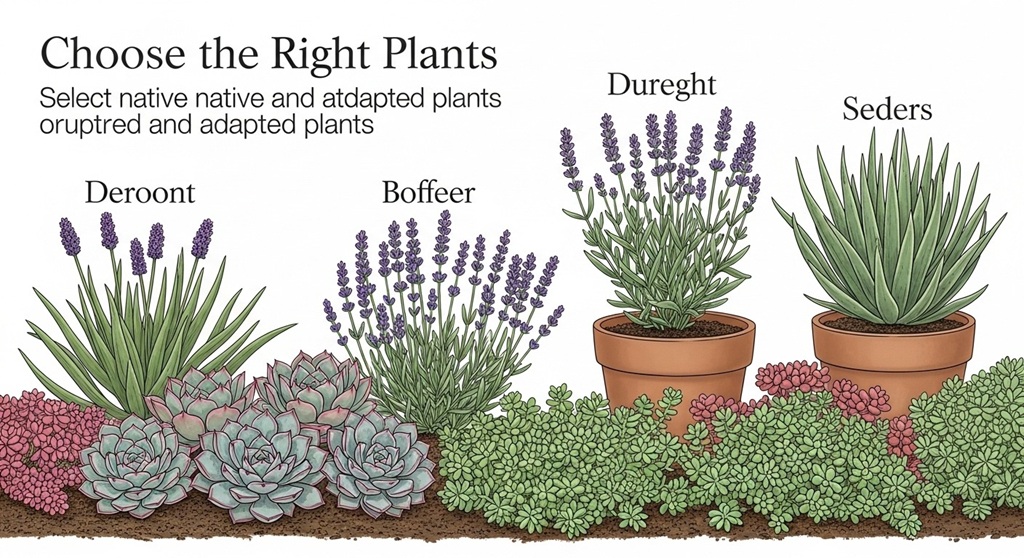
Direct answer: The first step in designing a water-wise garden is selecting drought-tolerant plants, which require less water to thrive. These plants are adapted to survive in low-water conditions, making them ideal for areas with limited rainfall.
Plants such as succulents, native grasses, and Mediterranean herbs are perfect for water-efficient gardens. They are well-suited to withstand hot summers and dry periods. Choosing native plants that are already adapted to your region’s climate can further reduce the need for irrigation.
2. Group Plants by Water Needs
Direct answer: Grouping plants with similar water requirements together helps ensure that each plant receives the appropriate amount of water without wasting resources.
For example, place drought-tolerant plants in areas that receive full sun, while moisture-loving plants can be positioned in shaded spots. This method allows for efficient watering and reduces the chances of overwatering or underwatering plants.
3. Use Mulch to Retain Moisture
Direct answer: Applying a layer of mulch around your plants helps retain moisture in the soil, reducing the frequency of watering.
Mulch acts as a barrier to evaporation, keeping the soil cool and moist for longer. It also suppresses weeds, preventing them from competing with your plants for water. Organic mulches like wood chips, straw, or bark are the best options as they break down and improve soil quality over time.
4. Incorporate Efficient Irrigation Systems
Direct answer: Installing an efficient irrigation system, such as drip irrigation or soaker hoses, ensures that water is delivered directly to the plant roots, minimizing waste.
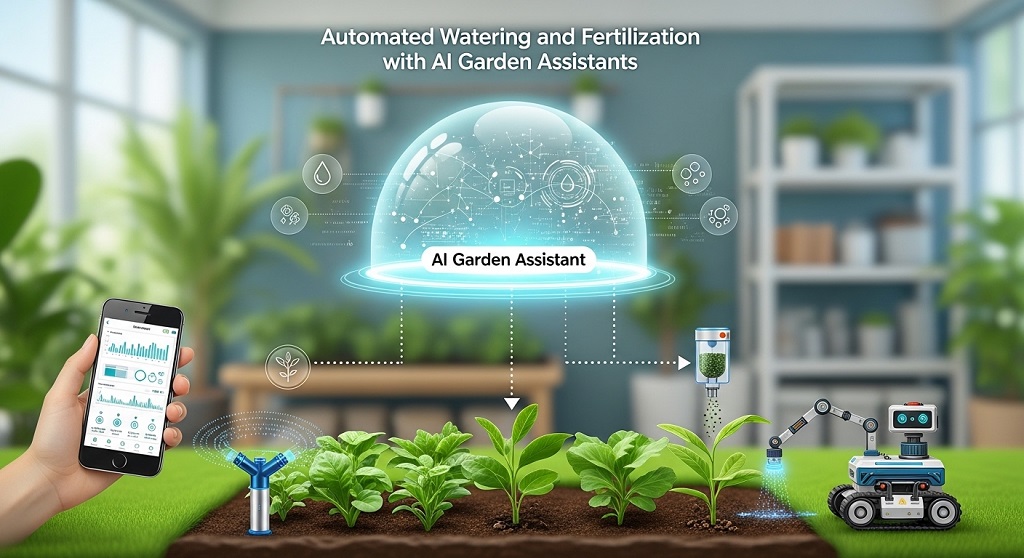
Drip irrigation systems apply water slowly and precisely, preventing runoff and evaporation. These systems are adjustable, allowing you to water plants deeply but infrequently, encouraging deep root growth. Smart irrigation systems can be automated, further optimizing water usage based on weather conditions.
5. Optimize Your Garden’s Design for Water Conservation
Direct answer: Your garden’s design should focus on maximizing the water efficiency of your landscape. Incorporating features like swales, rain gardens, and permeable surfaces can help capture and manage rainwater effectively.
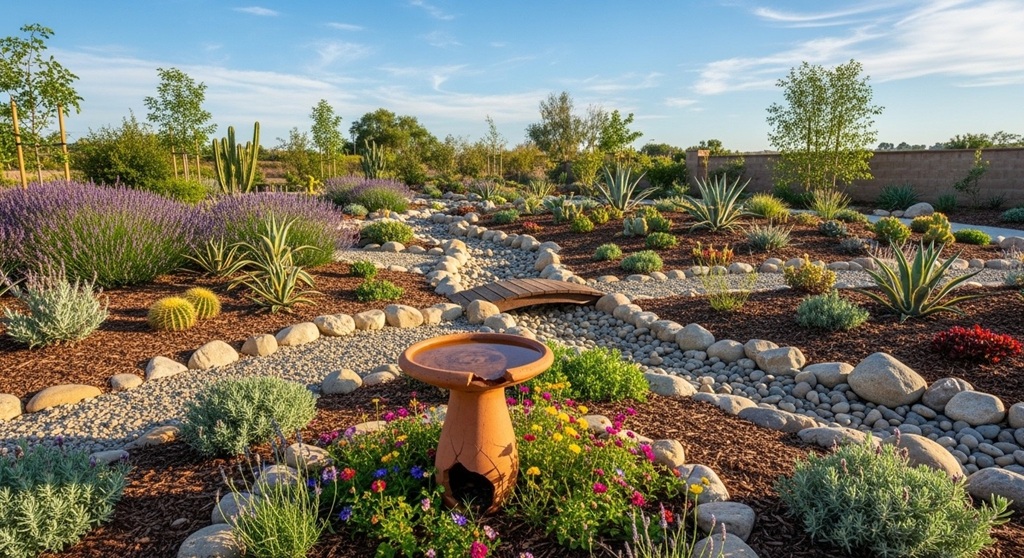
Swales are shallow, vegetated channels that direct water to plant roots, helping to prevent runoff. Rain gardens are depressions in the landscape designed to collect and absorb rainwater. Permeable surfaces, such as gravel pathways or porous pavers, allow water to seep into the ground instead of running off.
How Can I Improve My Soil for a Water-Wise Garden?
Direct answer: Improving your soil is crucial to creating a water-efficient garden, as healthy soil retains moisture more effectively and supports plant growth with less water.
Amending your soil with organic matter such as compost helps improve its structure, making it more water-retentive. Loamy soil, which is a balanced mix of sand, silt, and clay, is ideal for water conservation. Avoid heavy clay soils, which tend to hold excess water and prevent good root development.
What Are the Best Water-Wise Plants for Your Garden?
1. Succulents
Direct answer: Succulents are among the best plants for water-efficient gardens due to their ability to store water in their leaves, making them highly drought-tolerant.
Popular varieties include agave, aloe, and sedum. These plants thrive in dry conditions and can withstand long periods of drought, making them perfect for low-maintenance gardens.
2. Native Plants
Direct answer: Native plants are naturally adapted to your local climate and soil, requiring less water and care than non-native species.
Examples of native plants include lavender, yarrow, and coneflowers. These plants are often more resistant to pests and diseases, making them easier to grow and maintain.
3. Mediterranean Plants
Direct answer: Mediterranean plants, such as rosemary, thyme, and olive trees, thrive in hot, dry climates and require minimal water once established.
These plants are perfect for gardens in regions with long, dry summers. They also provide fragrant foliage and edible herbs for cooking.
How Can I Reduce Lawn Area in a Water-Wise Garden?
Direct answer: Reducing the size of your lawn can significantly decrease water usage, as lawns require frequent watering to stay healthy.
Consider replacing parts of your lawn with drought-tolerant groundcovers, such as clover or creeping thyme. These plants require less water and are more resilient to foot traffic. Additionally, you can create hardscape features like patios or paths to reduce lawn area while adding visual interest.
What Are the Benefits of a Water-Wise Garden?
1. Water Conservation
Direct answer: The main benefit of a water-wise garden is significant water conservation, which is crucial in drought-prone regions and areas with water restrictions.
By using drought-tolerant plants, efficient irrigation systems, and water-saving techniques, you can reduce your overall water usage and contribute to a sustainable future.
2. Reduced Maintenance Costs
Direct answer: Water-efficient gardens require less maintenance, saving you both time and money in the long run.
With fewer plants to water, reduced need for lawn care, and less frequent pruning and fertilizing, your water-wise garden is more cost-effective to maintain over time.
3. Environmental Impact
Direct answer: Water-wise gardens help reduce the demand on local water resources, protecting the environment and promoting biodiversity.
By using native plants and promoting local wildlife, you can create a more resilient garden ecosystem that supports pollinators, birds, and other beneficial creatures.
Conclusion
Designing a water-wise drought-tolerant garden is a sustainable solution that benefits both the environment and your wallet. By selecting the right plants, utilizing efficient watering systems, and optimizing your garden design, you can create a beautiful, low-maintenance landscape that thrives with minimal water usage. Start today, and you’ll enjoy a flourishing garden that conserves resources for years to come!
Ready to transform your garden into a water-efficient oasis? Check out our other garden tips or contact us for personalized advice!
FAQ
1. What are the best plants for a drought-tolerant garden?
Answer: Succulents, native plants, and Mediterranean plants are ideal for drought-tolerant gardens, as they require minimal water to thrive.
2. How often should I water my drought-tolerant garden?
Answer: Water your drought-tolerant garden deeply but infrequently, ensuring that the soil is well-moistened without waterlogging.
3. How do I make my garden more water-efficient?
Answer: Choose drought-tolerant plants, use mulch, incorporate efficient irrigation systems, and improve your soil to retain moisture.
4. What is the best irrigation system for a water-wise garden?
Answer: Drip irrigation is the best system for a water-efficient garden, as it delivers water directly to plant roots, reducing waste.
5. Can I reduce my lawn to save water?
Answer: Yes, replacing parts of your lawn with drought-tolerant groundcovers or hardscapes can significantly reduce water usage.
6. Are there any low-maintenance plants for a water-wise garden?
Answer: Yes, succulents, native plants, and Mediterranean herbs like rosemary and thyme require little care and are drought-tolerant.
7. How can I keep my garden healthy with less water?
Answer: Choose plants adapted to your climate, use efficient watering systems, and improve your soil with organic matter to retain moisture.
Read More Also: How to Plan Cottage Garden Flowers for Continuous Color
Find out: How to Use a Jig Saw for Precision Cutting: Step-by-Step Guide