Imagine transforming a bare balcony wall into a lush, green oasis bursting with herbs, flowers, and vegetables. Urban living often means cramped spaces, but vertical gardens are revolutionizing how city dwellers grow their own food and flowers. With 80% of the world’s population expected to live in urban areas by 2050, according to the United Nations, innovative gardening solutions are critical. Vertical gardening maximizes limited space, enhances air quality, and brings nature into concrete jungles. This article explores the rise of vertical gardens, offering practical space-saving tips and tools for urban gardeners to create thriving, sustainable green spaces.
Why Vertical Gardens Are Taking Over Urban Spaces
Vertical gardens, also known as living walls or green facades, are gaining traction for their ability to transform small spaces. Unlike traditional gardens that spread horizontally, these systems grow plants upward using structures like trellises, modular panels, or stackable planters. A 2023 study from ResearchGate highlights that vertical gardens can reduce urban heat by up to 5°C, making cities more livable. They also improve air quality by absorbing pollutants, with one square meter of green wall removing up to 2.3 kg of CO2 annually. However, critics argue the initial setup costs—ranging from $100 to $500 for DIY systems—can deter beginners. Yet, the long-term benefits, like lower energy bills and fresh produce, often outweigh these costs. Urban gardeners embrace this method for its practicality and aesthetic appeal, turning bland walls into vibrant ecosystems.

Space-Saving Benefits for Urban Gardeners
Space is a premium in cities, where balconies and patios often measure less than 100 square feet. Vertical gardens solve this by utilizing walls, fences, or freestanding structures. For instance, a single 4×4-foot wall can support over 50 plants, from herbs to strawberries, maximizing yield. The efficiency comes from stacking plants vertically, which yields up to 10 times more produce per square foot compared to traditional methods, per a 2024 Green.org report. Additionally, vertical systems reduce soil erosion and pest issues since plants are elevated. Some skeptics point out that limited soil depth in planters restricts root growth for certain crops. Choosing shallow-rooted plants like lettuce or basil counters this limitation, ensuring success in compact setups.
Choosing the Right Plants for Vertical Gardens
Selecting the right plants is crucial for a thriving vertical garden. Herbs like basil, mint, and cilantro flourish in small containers due to their compact root systems. Leafy greens such as spinach and kale also perform well, requiring minimal space and maintenance. For visual flair, trailing plants like pothos or flowering vines like clematis add beauty. A 2022 Virginia Tech study recommends vining crops like pole beans and cucumbers for trellises, as they naturally climb and save ground space. However, not all plants suit vertical setups; heavy fruiting plants like melons may need extra support. Gardeners must consider light exposure and water needs, as vertical gardens dry out faster. Matching plants to your environment ensures a healthy, productive garden.
Essential Tools for Building a Vertical Garden
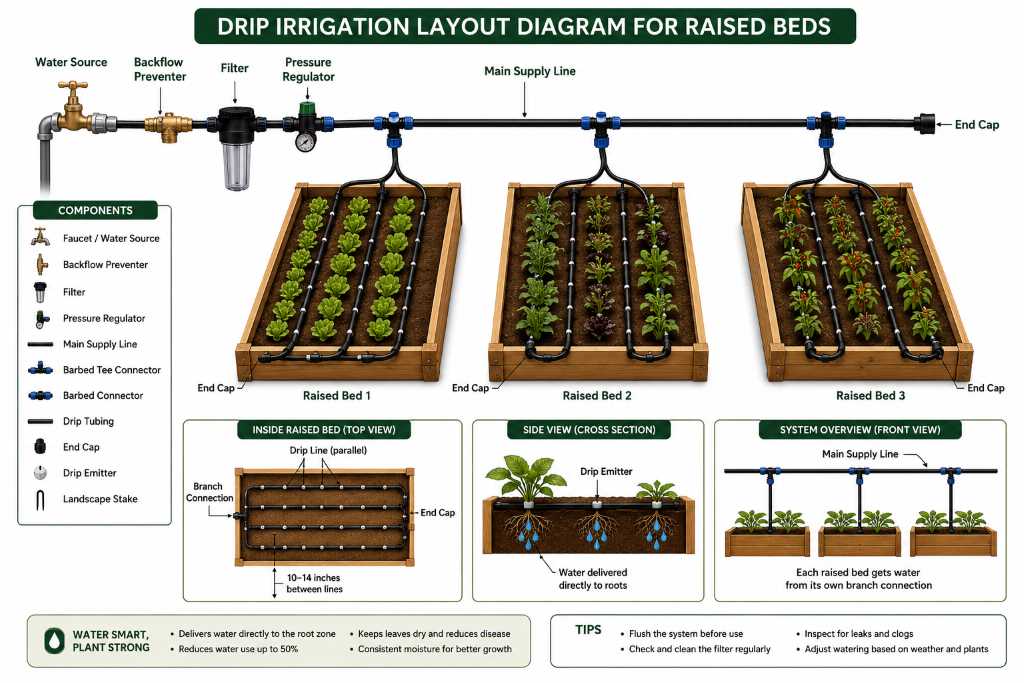
Creating a vertical garden requires the right tools to ensure durability and functionality. Basic setups need sturdy trellises, wall-mounted planters, or stackable tower gardens. For example, the GreenStalk Planter, a popular choice, supports up to 30 plants in a 2-square-foot base. Drip irrigation systems, costing $20-$50, automate watering and conserve resources, critical in water-scarce urban areas. Lightweight potting mixes designed for containers prevent drainage issues. Critics note that high-tech systems, like hydroponics, can cost over $1,000, making DIY options like repurposed pallets or gutters more appealing. A hammer, drill, and weather-resistant screws are enough for most DIY projects. Investing in quality tools simplifies setup and boosts long-term success.
Step-by-Step Guide to Creating Your Vertical Garden
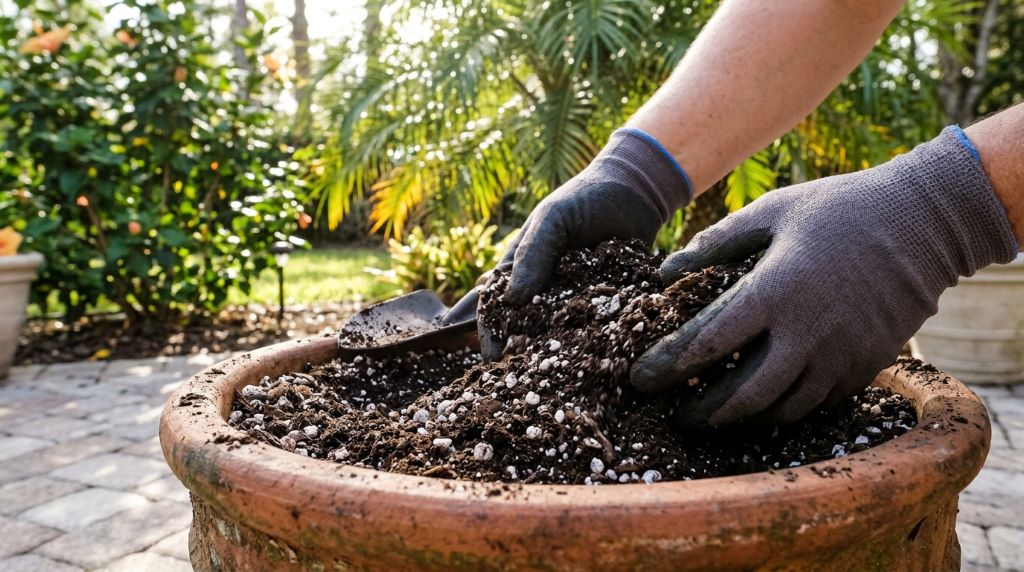
Starting a vertical garden is easier than you think with a clear plan. First, assess your space for sunlight and structural support. A south-facing wall with 6-8 hours of light works best for most plants. Next, choose a system—trellises for climbers, pocket planters for herbs, or modular panels for versatility. Secure the structure firmly to avoid collapses, especially for heavier setups. Fill containers with a lightweight, well-draining soil mix, and plant shallow-rooted species for best results. Install a drip irrigation system to maintain consistent moisture. Finally, prune regularly to prevent overcrowding. Maintenance challenges, like frequent watering, can be mitigated with self-watering planters. This approach transforms even the smallest spaces into productive gardens.
Innovative Vertical Gardening Techniques
Modern technology is elevating vertical gardening to new heights. Hydroponic systems, which grow plants in nutrient-rich water, increase yields by 20% compared to soil-based methods, according to a 2024 Eden Green study. Automated irrigation and LED grow lights optimize indoor setups, ideal for apartments with limited natural light. Additionally, IoT sensors monitor soil moisture and temperature, ensuring perfect conditions. However, these systems can be complex and costly, deterring novices. Simpler alternatives, like fabric pocket gardens or upcycled gutters, offer affordable DIY solutions. Combining technology with creative designs, urban gardeners can grow fresh produce year-round, regardless of space constraints.
Environmental and Wellness Benefits
Vertical gardens do more than save space—they enhance urban living. They reduce the urban heat island effect, lowering temperatures in dense cities. A 2020 ScienceDirect study found that green walls improve mental health by reducing stress and boosting mood. They also foster biodiversity, attracting pollinators like bees. Critics argue that maintenance, like regular pruning and watering, can be time-consuming. Yet, the psychological benefits of gardening, coupled with cleaner air and reduced noise pollution, make it worthwhile. For urban dwellers, these gardens create a calming oasis, reconnecting them with nature in bustling environments.
Overcoming Common Challenges
Vertical gardening isn’t without hurdles, but solutions exist. Limited sunlight in urban canyons can stunt growth, so LED grow lights supplement natural light. High initial costs deter some, but repurposing materials like old pallets or PVC pipes cuts expenses. Watering is another challenge, as vertical setups dry out quickly. Drip irrigation or self-watering planters address this efficiently. Pests, though less common in elevated gardens, still pose risks. Organic solutions like neem oil keep them at bay without harming the environment. By anticipating these issues, gardeners can create resilient, low-maintenance systems that thrive in urban settings.
The Future of Vertical Gardening
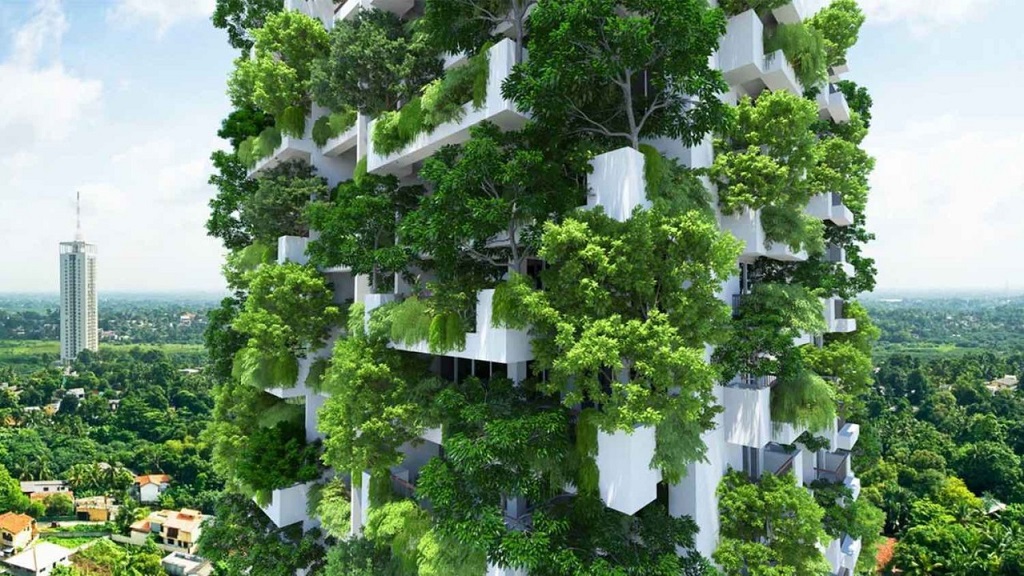
The future of vertical gardening is bright, with innovations pushing boundaries. Smart gardens with AI-powered monitoring are emerging, optimizing plant health remotely. Vertical farms in skyscrapers, like Singapore’s, produce vegetables for entire communities, per a 2022 ScienceDirect study. These advancements promise food security and greener cities. However, scaling such systems requires significant investment, raising concerns about accessibility. For now, small-scale DIY vertical gardens empower individuals to grow their own food sustainably. As technology evolves, expect more efficient, affordable solutions to make vertical gardening a staple in urban life.
Featured Snippet: What Are the Best Plants for a Vertical Garden?
For a thriving vertical garden, choose plants with shallow roots and compact growth. Herbs like basil, mint, and cilantro are ideal for small containers. Leafy greens such as lettuce, spinach, and kale flourish with minimal space. Trailing vines like pothos or flowering plants like black-eyed Susan vine add visual appeal. Pole beans and cucumbers suit trellises, climbing naturally to save space. Ensure plants match your light conditions—most need 6-8 hours of sunlight daily. Succulents work well for low-water setups, while ferns thrive in shade. Select varieties based on your environment for a vibrant, productive garden. [Source: Virginia Tech, 2022]
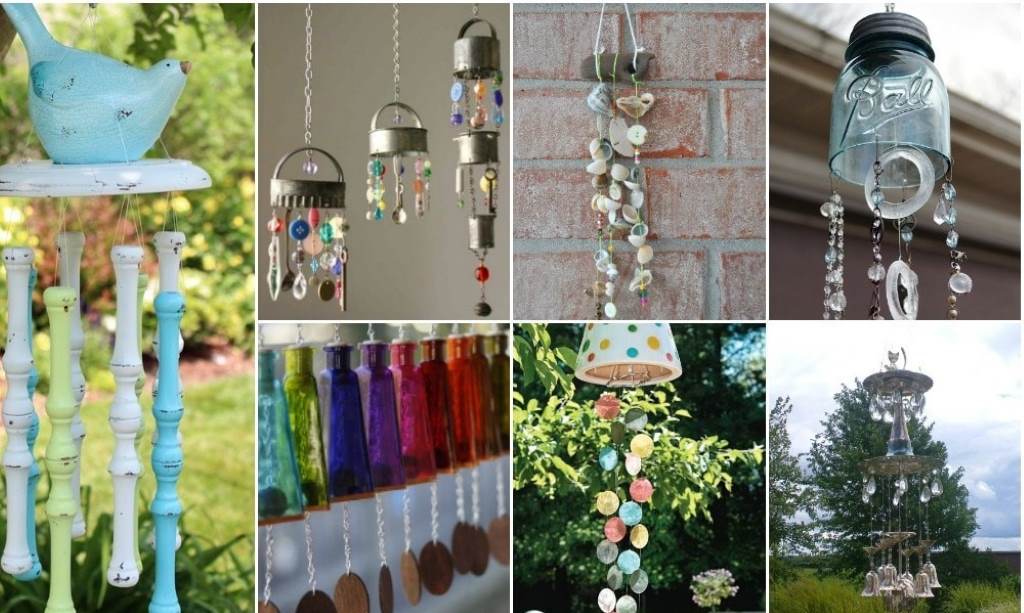
Related Topic: Make Wind Chimes from Recycled Materials
FAQs
What is a vertical garden?
A vertical garden grows plants upward on structures like walls or trellises, saving space in urban areas.
What are the benefits of vertical gardening?
It maximizes space, improves air quality, reduces urban heat, and enhances mental well-being.
Which plants are best for vertical gardens?
Herbs (basil, mint), leafy greens (lettuce, kale), and climbers (pole beans, pothos) work best.
How much does a vertical garden cost?
DIY setups cost $100-$500, while high-tech systems like hydroponics can exceed $1,000.
How do I water a vertical garden?
Use drip irrigation or self-watering planters to maintain consistent moisture and reduce waste.
Can I grow vegetables in a vertical garden?
Yes, compact vegetables like cherry tomatoes, lettuce, and herbs thrive in vertical setups.
What tools do I need for vertical gardening?
You’ll need trellises, planters, lightweight soil, drip irrigation, and basic tools like a drill.
Related Topic: Best Vegetables to Grow in a Raised Bed
Final Thought
Vertical gardens are more than a trend—they’re a sustainable solution for urban living. They transform tiny spaces into productive, beautiful oases while combating environmental challenges. Whether you’re a novice or seasoned gardener, the rise of vertical gardens offers endless possibilities to grow fresh, healthy food.
Call to Action: Start your vertical garden today! Share your creations on social media and tag us to inspire others. Visit The Old Farmer’s Almanac for more tips and join the green revolution!
References
- Green.org. (2024). The Science of Vertical Gardening: Why Plants Thrive in Vertical Spaces.
- ResearchGate. (2023). Vertical Gardening: A Sustainable and Space-Efficient Horticultural Revolution.