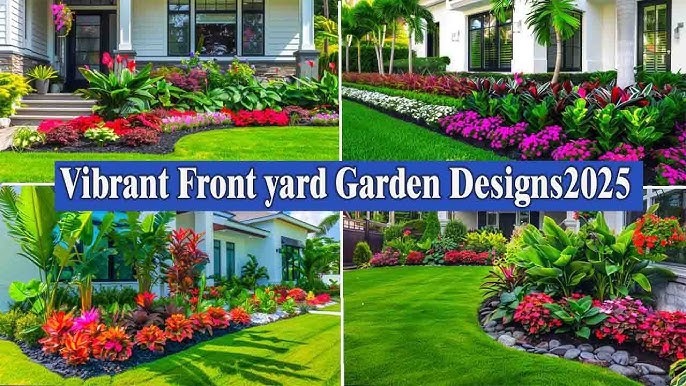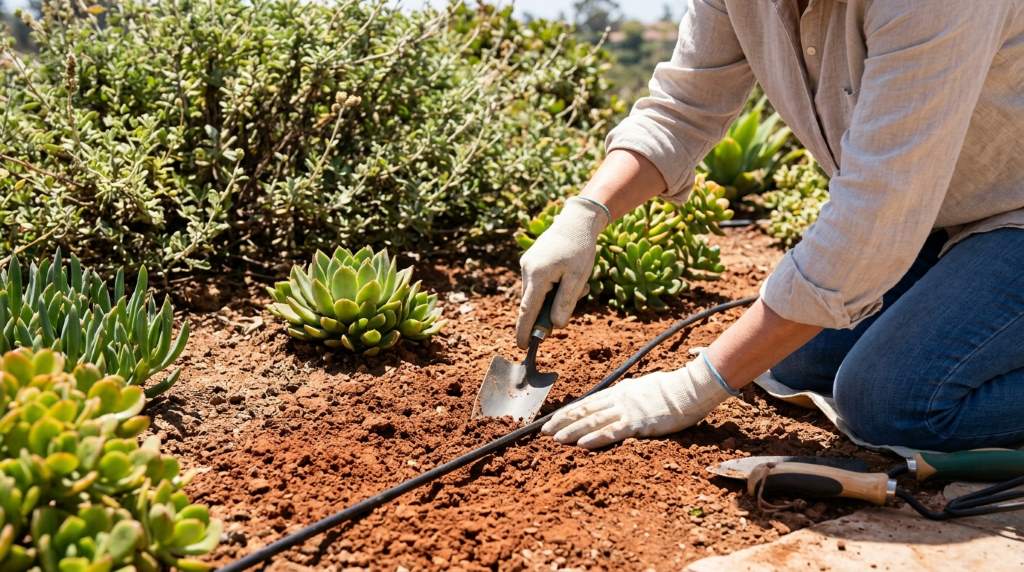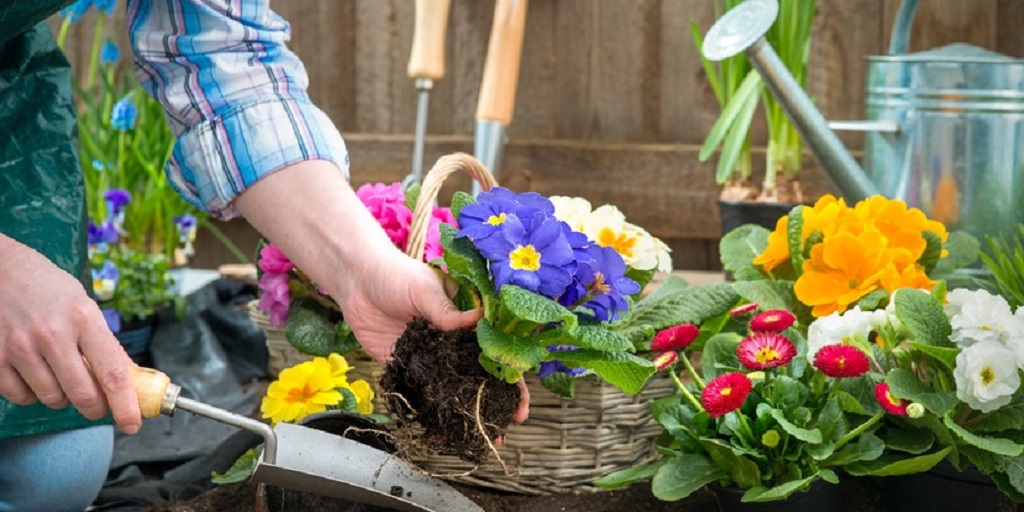
Imagine stepping into your backyard to find vibrant flowers swaying alongside lush greens, all ready to grace your dinner plate. Edimental gardening, the captivating fusion of edible and ornamental plants, transforms landscapes into stunning, productive havens. This trend redefines gardening by blending aesthetics with functionality, offering a feast for both eyes and taste buds. With urban spaces shrinking and sustainability gaining traction, edimental gardening emerges as a practical solution for modern gardeners. Over 20,000 edible plant species exist worldwide, providing endless possibilities to craft a garden that’s both beautiful and bountiful. This article dives into the heart of edimental gardening, exploring its benefits, design strategies, and plant choices to inspire your own edible oasis.
The Rise of Edimental Gardening
Edimental gardening has surged in popularity as gardeners seek sustainable, multi-purpose landscapes. The term, coined by Stephen Barstow in his book Around the World in 80 Plants, combines “edible” and “ornamental” to describe plants that serve dual purposes. Unlike traditional gardening, which often separates vegetables from flowers, this approach integrates them seamlessly. A 2024 study from the Web of Science database analyzed over 3,000 publications, revealing a growing focus on edible landscapes in urban areas. This trend aligns with the slow food movement, emphasizing local, organic produce. However, some critics argue that maintaining dual-purpose plants demands more effort than conventional gardens. While this may hold true for beginners, strategic planning simplifies care, making edimental gardening accessible to all skill levels. By choosing hardy, low-maintenance plants, gardeners can enjoy both beauty and bounty with minimal fuss.
Why Edimental Gardening Matters
Edimental gardening offers compelling benefits beyond aesthetics. First, it maximizes space, especially in urban settings where yards are small. A single plant, like rainbow chard, adds vibrant color while yielding nutritious leaves. Second, it promotes sustainability by reducing reliance on store-bought produce, which often travels 1,500–2,500 miles to reach shelves. Growing your own food cuts carbon footprints and ensures chemical-free harvests. Additionally, edible plants like nasturtiums attract pollinators, boosting biodiversity. A 2023 report from ResearchGate highlights how edible landscapes enhance urban ecology by supporting native species. On the flip side, skeptics note that not all edibles thrive in every climate, requiring careful plant selection. For instance, tropical mango trees flourish in South Florida but struggle in colder regions. Despite this, the vast array of edible plants ensures options for every environment, making edimental gardening universally appealing.
Designing Your Edimental Garden

Creating a stunning edimental garden requires balancing form and function. Start by assessing your space for sunlight, soil quality, and accessibility. Plants like herbs and salad greens thrive in sunny, reachable spots for frequent harvesting. Incorporate varying heights and textures for visual appeal—tall fruit trees as a canopy, mid-level shrubs for structure, and low-growing herbs as ground cover. For example, espaliered apple trees save space while adding architectural elegance. A 2025 article from Gardens Illustrated recommends mixing perennials like lavender with annuals like calendula for year-round beauty. However, overplanting can lead to competition for nutrients, so space plants thoughtfully. Use companion planting, such as pairing marigolds with tomatoes, to deter pests naturally. This approach ensures a garden that’s both productive and visually harmonious, delighting both gardeners and guests.
Top Edimental Plants to Grow
Choosing the right plants is the backbone of edimental gardening. Here are some standout options that blend beauty and flavor:
- Nasturtiums: Their peppery flowers brighten salads and attract pollinators with vivid blooms.
- Rainbow Chard: Colorful stems add vibrancy to beds and provide nutrient-rich leaves.
- Rosemary: This fragrant herb doubles as a low hedge, offering culinary and ornamental value.
- Dwarf Fruit Trees: Compact apple or cherry trees yield fruit while serving as focal points.
- Purple Basil: Its deep foliage contrasts beautifully with green plants and enhances dishes.
A 2024 EnviroBuild guide suggests starting with versatile plants like these for beginners. Critics argue that some edibles, like fruit trees, require long-term commitment. Yet, everbearing varieties, such as ‘Seascape’ strawberries, deliver quick harvests with minimal effort. By selecting plants suited to your climate and taste, you create a garden that’s both practical and picturesque.
Practical Tips for Success
Maintaining an edimental garden demands mindful practices. Regular harvesting encourages growth and keeps plants tidy. For instance, snipping basil prevents legginess while providing fresh herbs. Water deeply but infrequently to promote strong roots, especially for edibles like tomatoes. Organic fertilizers, like liquid seaweed, boost soil health without chemicals. A 2025 Woodlanders article emphasizes pruning to maintain shape and vigor in dual-purpose plants. However, over-fertilizing can harm delicate herbs, so follow package instructions. Pest management is crucial—garlic and onions naturally repel insects, reducing the need for sprays. In small spaces, vertical gardening with climbing beans or trellised passionfruit maximizes yield. These strategies ensure your garden thrives, offering fresh produce and stunning visuals year-round.
Edimental Gardening in Urban Spaces
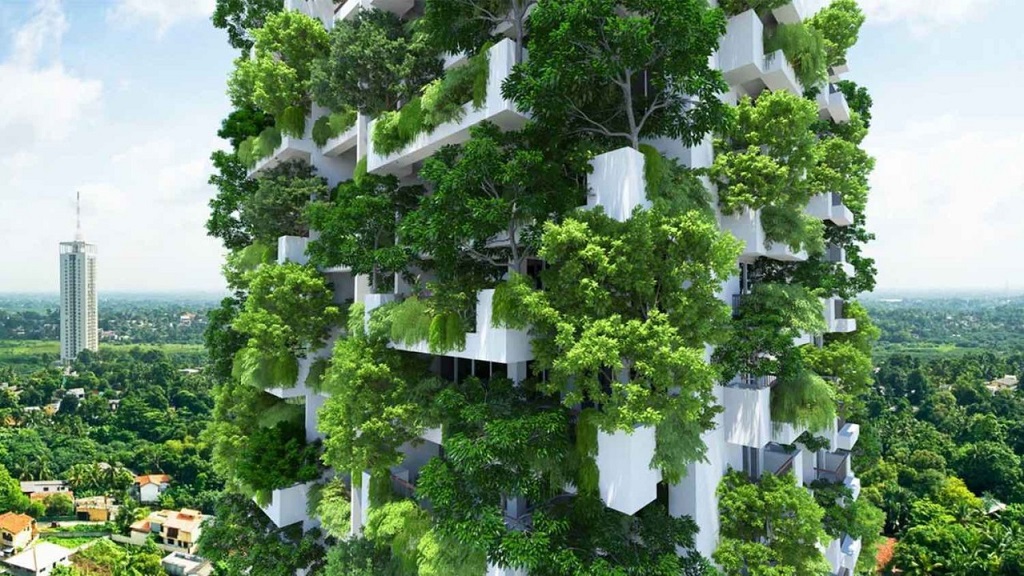
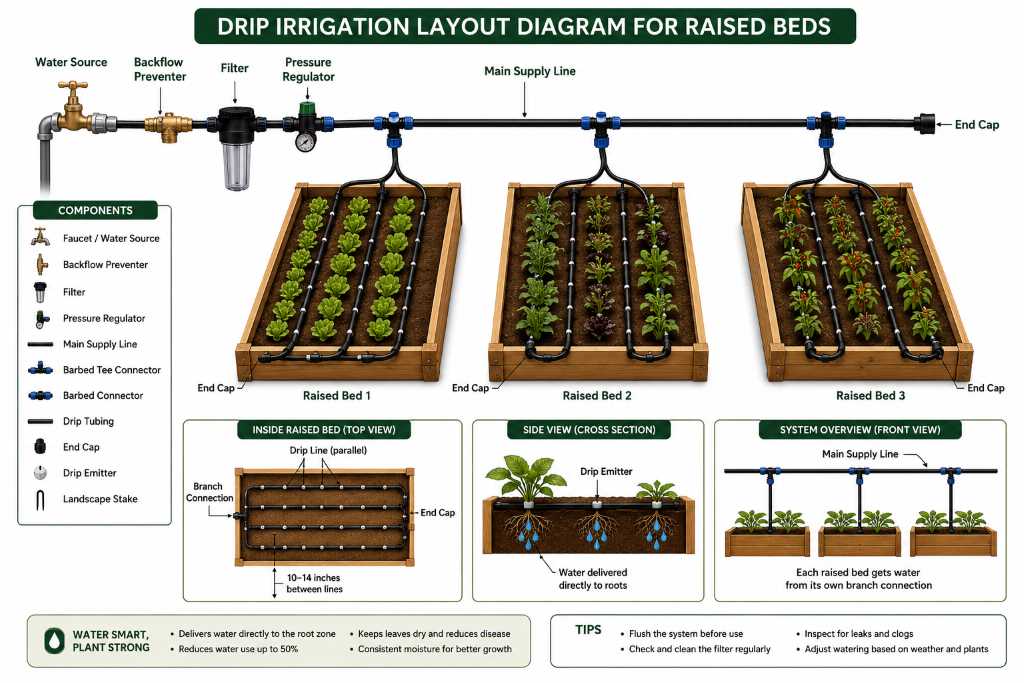
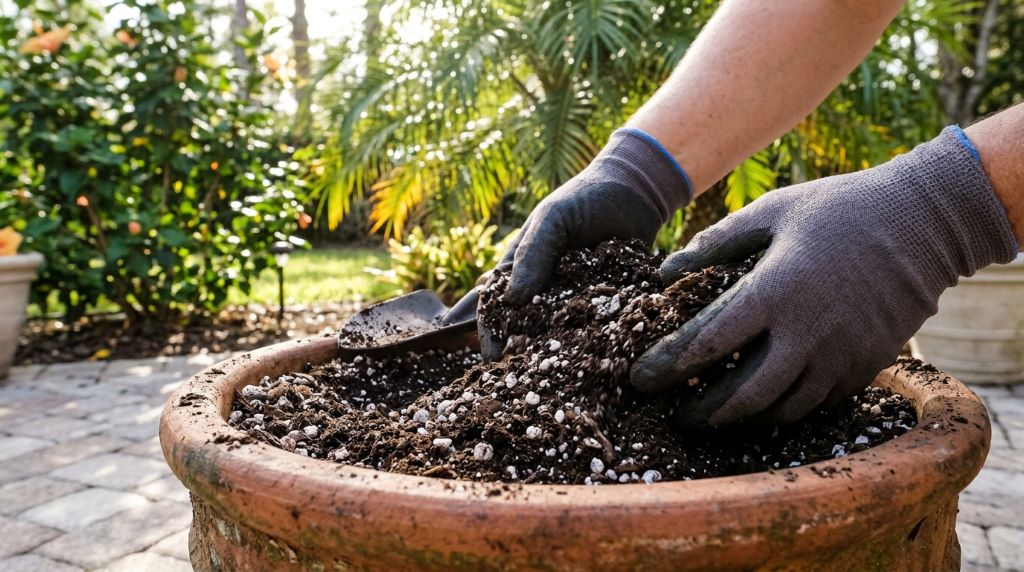
Urban gardeners face unique challenges, but edimental gardening shines in compact spaces. Containers and vertical gardens allow balcony dwellers to grow herbs and compact tomatoes like ‘Tiny Tim.’ A 2024 ResearchGate study notes that urban edible landscapes foster community engagement and food security. For example, rooftop gardens in cities like Fort Lauderdale combine beauty with bounty, growing mangoes and pineapple sage. Critics point out that urban soil quality can be poor, requiring raised beds or compost amendments. Yet, these solutions are affordable and effective, making edimental gardening viable even in concrete jungles. By integrating edibles into window boxes or vertical trellises, city gardeners transform small spaces into productive, eye-catching retreats.
The Future of Edimental Gardening
The future of edimental gardening looks bright as sustainability becomes a global priority. A 2025 ELLE Decor article predicts edible gardens will dominate 2025 trends, driven by a desire for self-sufficiency post-pandemic. Innovations like soilless cultures and indoor systems expand possibilities for urban growers. However, some experts caution that scaling edible landscapes commercially could strain resources. Community gardens counter this by fostering local collaboration, as seen in projects cited by ScienceDirect in 2023. By educating gardeners through workshops or online courses, such as those offered by the British Academy of Garden Design, the trend gains momentum. Edimental gardening not only feeds families but also strengthens ecosystems, making it a cornerstone of sustainable living.
Featured Snippet: What Is Edimental Gardening?
Question: What is edimental gardening, and why is it popular?
Answer: Edimental gardening blends edible and ornamental plants to create beautiful, productive landscapes. It combines vibrant flowers like nasturtiums with nutritious greens like kale, maximizing space and sustainability. Its popularity stems from urban growth and a push for organic, homegrown food. Over 20,000 edible plant species offer endless design options. This trend reduces carbon footprints, enhances biodiversity, and provides fresh produce, making it ideal for modern gardeners seeking beauty and functionality. Source: House Digest, 2023
FAQs About Edimental Gardening
What is edimental gardening?
It’s the practice of growing plants that are both edible and ornamental, like nasturtiums or rainbow chard, for beauty and food.
Which plants are best for beginners?
Start with easy options like basil, rosemary, or calendula, which are low-maintenance and offer culinary and aesthetic value.
Can I grow an edimental garden in a small space?
Yes, use containers, vertical trellises, or compact plants like dwarf tomatoes to maximize limited urban spaces.
How do I maintain an edimental garden?
Harvest regularly, water deeply, use organic fertilizers, and plant pest-repelling edibles like garlic for low-maintenance care.
Is edimental gardening sustainable?
Absolutely, it reduces reliance on shipped produce, promotes biodiversity, and supports local ecosystems with pollinator-friendly plants.
What are the challenges of edimental gardening?
Challenges include climate-specific plant selection and initial setup costs, but careful planning overcomes these hurdles.
Where can I learn more about edimental gardening?
Explore books like Edible Landscaping by Rosalind Creasy or online courses from reputable garden design schools.
Related Topic: The Rise of Vertical Gardens
Final Thought
Edimental gardening transforms outdoor spaces into vibrant, productive havens that nourish both body and soul. By blending beauty with bounty, it offers a sustainable, rewarding way to garden in any setting. Whether you’re a city dweller or a suburban green thumb, this trend invites creativity and connection with nature.
Call to Action: Ready to create your own edimental garden? Start small with herbs or edible flowers, and share your progress in the comments below! Visit Gardening Know How for more tips to grow your dream garden today.